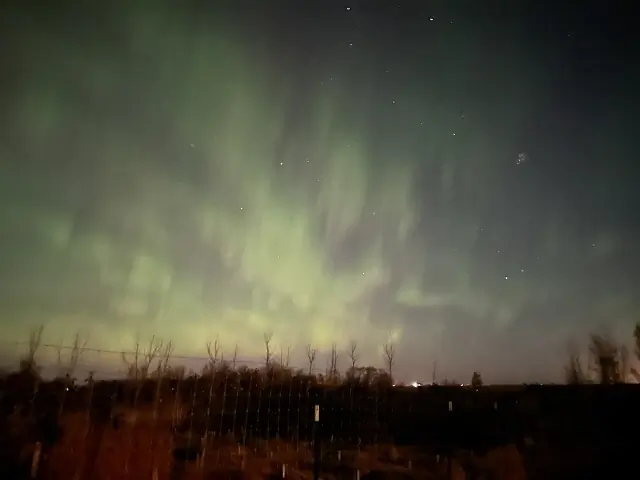
Northern Lights Destination
Northern Lights in Fairbanks, Alaska
Fairbanks sits beneath the auroral oval like no other American city — with over 200 nights of aurora activity per year, it is simply the best place in the USA to see the northern lights.
Why Fairbanks Is America's Aurora Capital
At 64.84°N, Fairbanks is positioned directly beneath the auroral oval, the ring of maximum aurora activity around the magnetic north pole. This prime location means the city requires only a KP index of 2 for visible displays — even modest solar wind fluctuations produce green arcs and curtains overhead.
The interior Alaska climate is a critical factor in Fairbanks' aurora supremacy. Unlike coastal Alaska, which suffers from persistent cloud cover, interior Alaska experiences a subarctic continental climate with relatively low precipitation and frequent clear, cold nights during winter. The Geophysical Institute at the University of Alaska Fairbanks has tracked aurora activity for decades, confirming the city's exceptional viewing statistics.
Fairbanks sees aurora on more than 200 nights per year, and visitors staying three or more nights have approximately a 90% chance of witnessing a display. The city has built an entire tourism industry around the northern lights, with dedicated viewing lodges, specialized tour operators, and photography workshops operating throughout the season.
When to Visit Fairbanks for the Northern Lights
The aurora season in Fairbanks runs from late August through mid-April. The peak viewing months are September, October, February, and March, combining adequate darkness with statistically high geomagnetic activity around the equinoxes.
September is a favorite for many visitors — temperatures are mild (around -5°C to 5°C), autumn colors paint the birch forests gold, and darkness has returned after the midnight sun. The aurora can appear reflected in still, unfrozen lakes and ponds, creating mirror-image displays.
February and March offer the longest dark hours with improving temperatures and increasing solar activity. Late March, near the spring equinox, is statistically one of the most geomagnetically active periods. December and January have the most darkness (with only 4 hours of twilight in late December) but temperatures plunge to -30°C to -40°C.
Top Aurora Viewing Spots Near Fairbanks
Cleary Summit on the Steese Highway, about 30 minutes north of Fairbanks, is one of the most popular viewing locations. At 2,233 feet elevation, it sits above the ice fog that can blanket the Tanana Valley in winter, providing clear views even when the city below is socked in.
Murphy Dome, a former military radar site northwest of Fairbanks, offers 360-degree panoramic views from an elevation of 2,930 feet. The dome road is maintained in winter and provides one of the highest accessible viewpoints in the area.
Chena Lakes Recreation Area southeast of Fairbanks provides lakeside viewing with water reflections during ice-free months. Ester Dome near the community of Ester offers another elevated viewpoint. The Elliott Highway heading north toward Manley Hot Springs provides increasingly remote and dark conditions.
For the ultimate experience, Chena Hot Springs resort, 60 miles east of Fairbanks, offers aurora viewing from outdoor hot springs — soaking in 106°F mineral water while the northern lights dance overhead.
Aurora Tours and Experiences in Fairbanks
Fairbanks offers the most developed aurora tourism infrastructure in the United States. Multiple tour operators provide nightly excursions to prime viewing locations, complete with heated cabins, warm drinks, and expert guides who help with camera settings and aurora interpretation.
Specialized photography tours pair visitors with professional aurora photographers who provide guidance on exposure settings, composition, and post-processing. Many operators supply tripods and warming gear, and some offer guaranteed multi-night packages with backup dates if clouds interfere.
Unique Fairbanks aurora experiences include dog mushing under the lights, snowmobile excursions to remote cabins, and ice fishing combined with aurora viewing. The Aurora Ice Museum at Chena Hot Springs, carved from ice and maintained at -7°C year-round, adds a cultural dimension to aurora-focused visits.
The University of Alaska Fairbanks Geophysical Institute provides the official Alaska aurora forecast, updated daily. Their aurora prediction model is considered one of the most accurate regional forecasts available and is an essential planning tool for visitors.
Getting to Fairbanks and Essential Tips
Fairbanks International Airport (FAI) receives direct flights from Anchorage, Seattle, and several other US cities. Alaska Airlines is the primary carrier, with seasonal service expanding during peak aurora tourism season. From Anchorage, it's a scenic 6-hour drive north along the Parks Highway.
Accommodation ranges from downtown hotels like the Westmark Fairbanks and SpringHill Suites to wilderness lodges specifically designed for aurora viewing. A Taste of Alaska Lodge and Borealis Basecamp offer glass-roofed cabins where you can watch the aurora from bed.
Winter in Fairbanks is seriously cold. Temperatures of -30°C to -40°C are common, and -50°C is not unheard of. Layer up with moisture-wicking base layers, insulating mid-layers, and a windproof outer shell. Insulated boots rated to -40°C, heavy mittens (not gloves), a warm hat, and a face covering are essential. Keep camera batteries warm inside your jacket and bring extras.
Plan the trip
Getting to Fairbanks
Aurora trips need three things booked together: a flight into the right airport, somewhere dark to stay, and usually a car, because the sky you get is the sky above wherever you can drive to that night.
Compare flightsLive fares into Fairbanks International Airport (FAI), the closest airport to Fairbanks.
Affiliate links. Booking through them costs you nothing extra and helps keep this site running.
Borealis App
Aurora forecasts, social feed & Hunter Ranks
Frequently Asked Questions
Yes, Fairbanks is widely considered the best location in the United States for northern lights viewing. Its position directly under the auroral oval, dry interior climate, and extensive tourism infrastructure make it the premier American aurora destination. Visitors staying 3+ nights have approximately a 90% chance of seeing the aurora.
March is often considered the single best month, combining adequate darkness, warming temperatures, and peak equinox geomagnetic activity. September is excellent for milder weather and autumn colors. February offers long nights with high activity. Each month in the September-March season has its own advantages.
December and January temperatures regularly drop to -30°C to -40°C (-22°F to -40°F), with occasional extremes below -50°C. September and March are much milder at -5°C to -15°C. Full arctic clothing is essential for mid-winter visits. Many tours provide warming facilities.
Strong displays are visible from within the city, but light pollution and winter ice fog can reduce visibility. For the best experience, drive 20-30 minutes to elevated locations like Cleary Summit or Murphy Dome, which sit above the valley fog and offer darker skies.
Both approaches work well. Tours offer heated shelters, expert guidance, and transportation to prime spots — ideal for first-time visitors. Independent viewing with a rental car provides flexibility to chase clear skies. Many visitors combine both: a guided tour for one night and independent viewing on other nights.
Start with ISO 1600-3200, aperture f/2.8 or wider, and a shutter speed of 8-15 seconds. Use a sturdy tripod, manual focus set to infinity, and a 2-second timer or remote shutter release. In extreme cold, keep spare batteries warm in an inner pocket and change them frequently.
Related Articles
Destination
Northern Lights in Chena Hot Springs
Chena Hot Springs Resort, 60 miles east of Fairbanks, offers what may be the ultimate aurora experience — soaking in nat...
Destination
Northern Lights in Denali
Denali National Park, home to North America's tallest peak, offers the extraordinary opportunity to witness the northern...
Destination
Northern Lights in Anchorage
Anchorage, Alaska's largest city, offers aurora viewing opportunities that surprise many visitors. While not as far nort...