Northern Lights Destination
Northern Lights in Iceland
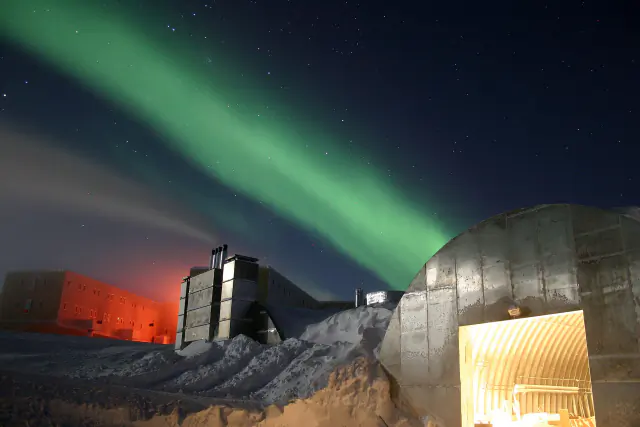
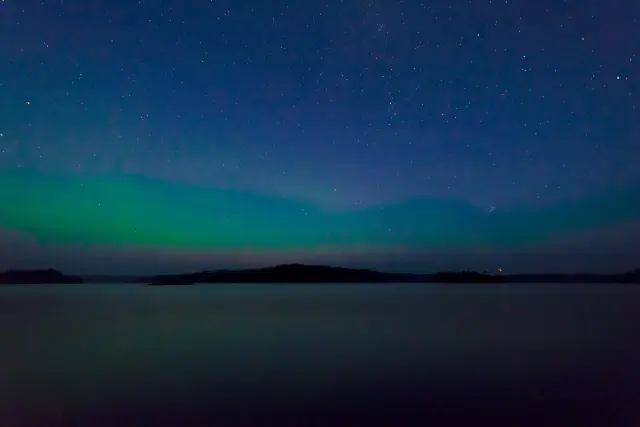
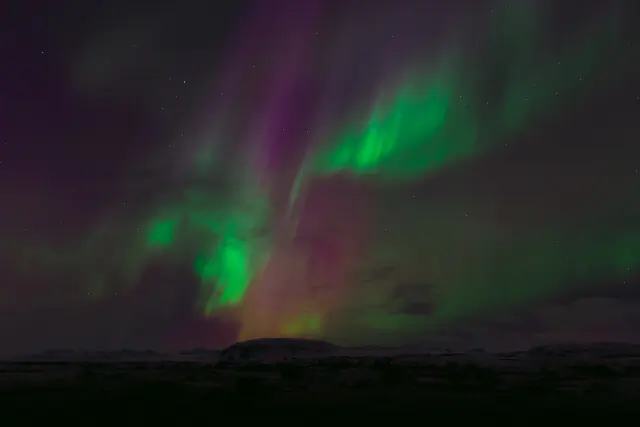
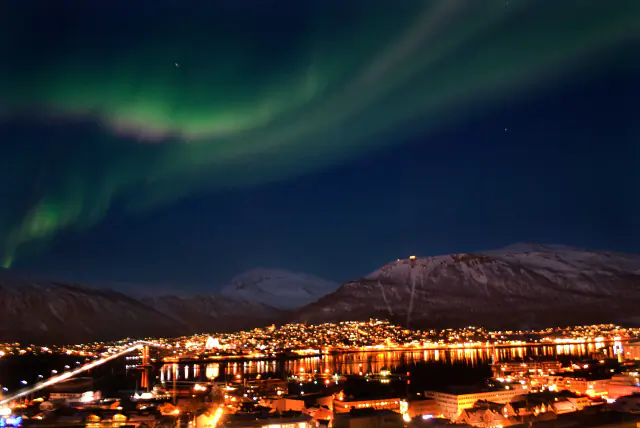
Iceland is where fire meets ice beneath a sky alive with aurora. With volcanoes, glaciers, and geothermal hot springs as your backdrop, watching the northern lights dance across Iceland's vast dark skies is an experience that transcends ordinary travel and enters the realm of the sublime.
Why Iceland Is Perfect for Northern Lights Viewing
Iceland sits at a geographic and magnetic latitude that places it directly within the auroral oval for much of the year. The entire island, from Reykjavik at 64°N to the northern coast at 66.5°N, falls within the prime aurora viewing zone. This means you do not need to travel to a remote corner of the country — the northern lights can be seen from virtually anywhere in Iceland, provided skies are clear and dark.
What sets Iceland apart is its extraordinary landscape diversity. No other aurora destination on Earth offers the range of foreground subjects available here: erupting geysers, steaming hot springs, jagged volcanic craters, blue-ice glaciers, towering waterfalls, basalt sea stacks, and jet-black beaches. Every clearing sky reveals a new composition that photographers dream about.
Iceland's accessibility is another key advantage. Reykjavik's Keflavik International Airport (KEF) receives direct flights from dozens of North American and European cities, many at surprisingly affordable prices thanks to competition from Icelandair and PLAY airlines. The island is compact — you can drive the entire Ring Road in a week — and tourism infrastructure is well-developed with English spoken universally.
The country's minimal light pollution outside Reykjavik is remarkable. With a total population of just 380,000, most of the island is essentially uninhabited wilderness. Drive 30 minutes from Reykjavik in any direction and you will find skies dark enough to see the Milky Way and even faint aurora activity.
Best Time to See the Northern Lights in Iceland
The Icelandic aurora season runs from late August through mid-April, one of the longest windows of any destination. Iceland's latitude means darkness returns relatively early in autumn — by late August, nights around the Arctic Circle are already dark enough to spot bright aurora displays.
September and October are increasingly popular for aurora trips. The weather is milder than winter, roads are easier to navigate, and the autumn colors add a warm dimension to the landscape. Cloud cover can be variable, but the equinox aurora boost makes this a statistically strong period.
November through January offers maximum darkness — up to 19-20 hours of potential viewing time around the winter solstice. Temperatures hover around 0°C along the coast (much milder than Arctic Scandinavia), though wind chill and storms are more frequent. The trade-off is that this is Iceland's stormiest period, and cloud cover can be persistent for days. Flexibility in your itinerary is crucial.
February and March are widely considered the sweet spot. Days are lengthening, providing stunning twilight for photography. Winter storms begin to ease. Snow cover creates reflective landscapes, and the spring equinox boosts aurora frequency. March also offers the bonus of possible views of the aurora reflected in partially thawed lakes and rivers.
Iceland's weather is notoriously unpredictable — the Icelandic saying is "If you don't like the weather, wait five minutes." This actually works in your favor for aurora hunting, as cloud gaps can appear suddenly. Monitor the Icelandic Met Office (vedur.is) cloud forecast, which provides a specialized aurora forecast map showing cloud cover predictions overlaid with aurora probability. Our aurora forecast page also provides real-time data for Iceland.
Top Aurora Viewing Locations in Iceland
Reykjavik — While city light pollution limits viewing in the center, several spots near Reykjavik offer excellent aurora watching. Grotta lighthouse on the Seltjarnarnes peninsula is a local favorite, and Oskjuhlid hill provides elevated views. For better darkness, drive 20 minutes to the Reykjanes Peninsula or the shores of Thingvallavatn lake. Most aurora tours depart from Reykjavik, making it the most convenient base.
Thingvellir National Park — A UNESCO World Heritage Site where the North American and Eurasian tectonic plates visibly diverge. The combination of geological drama, open landscapes, and proximity to Reykjavik (45 minutes) makes it one of Iceland's most popular aurora photography locations. The lake, Thingvallavatn, provides stunning reflections on calm nights.
Kirkjufell — The iconic arrow-shaped mountain on the Snaefellsnes Peninsula is arguably Iceland's most photographed landmark, and for good reason. Aurora arching over Kirkjufell with the small waterfall (Kirkjufellsfoss) in the foreground has become one of the defining images of Iceland. The Snaefellsnes Peninsula also offers varied coastal scenery and the mystical Snaefellsjokull glacier.
Vik — The southernmost village on the Ring Road, Vik is famous for its black sand beach (Reynisfjara) and basalt sea stacks (Reynisdrangar). Aurora over these dramatic formations creates stark, powerful images. The south coast also offers proximity to Skogafoss and Seljalandsfoss waterfalls, glacial lagoons, and the Vatnajokull ice cap.
Akureyri — Iceland's northern capital enjoys a more continental climate than the south coast, often resulting in clearer, more stable weather. The Eyjafjordur region offers excellent dark-sky locations, and nearby attractions include Godafoss waterfall, Lake Myvatn's volcanic landscape, and whale watching from Husavik. Akureyri is sometimes called the best-kept secret for Icelandic aurora viewing.
Lake Myvatn — This volcanic region in the northeast features bubbling mud pools, steam vents, lava formations, and crater lakes. The Myvatn Nature Baths offer a chance to soak in warm geothermal water while watching the aurora overhead — an unforgettable combination. The area's low light pollution and open landscapes provide some of Iceland's darkest skies.
What to Expect on an Icelandic Aurora Trip
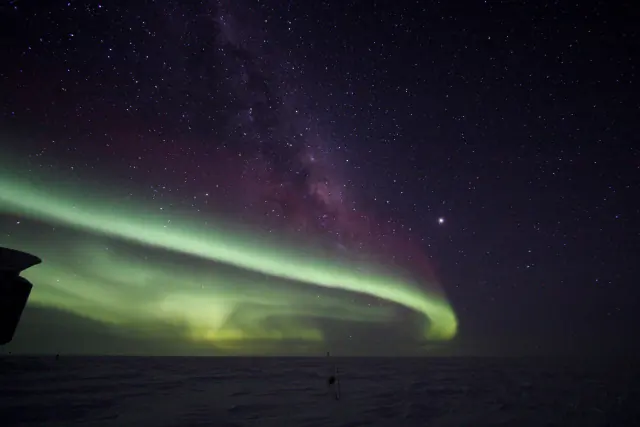
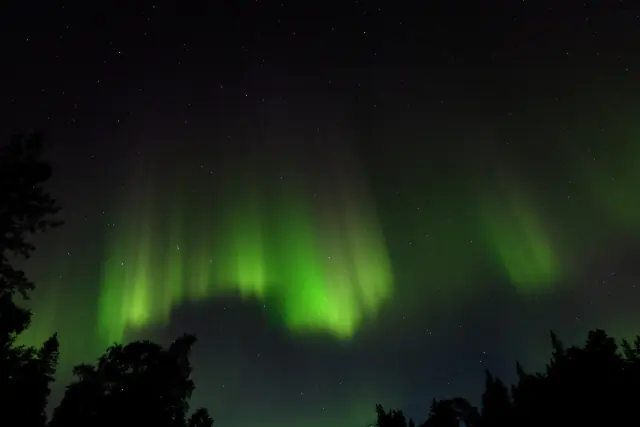
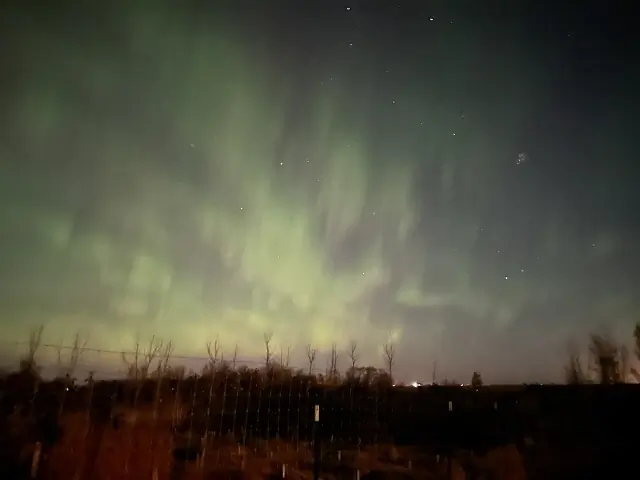
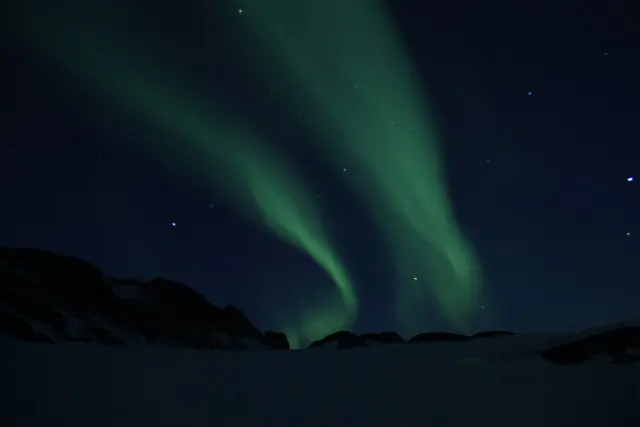
Iceland's aurora displays range from subtle arcs of greenish light along the northern horizon to full-sky eruptions that make locals stop in their tracks. On an average clear night during peak season, you have roughly a 60-70% chance of seeing some aurora activity. Major displays with vivid colors and rapid movement occur several times per month during active solar periods.
Guided tours are the most popular way to experience the aurora from Reykjavik. Bus tours (5,000-8,000 ISK / $35-$55 USD) take large groups to dark-sky locations within an hour of the city. Small-group super jeep tours (15,000-25,000 ISK / $105-$175 USD) offer a more personalized experience with better mobility to chase clear skies. Photography-focused tours with professional guidance are also widely available.
Self-driving is highly rewarding in Iceland, especially if you rent a 4WD vehicle and explore the Ring Road. Iceland's roads are generally well-maintained, but winter conditions require caution — check road.is for real-time conditions. Pull off at any safe spot when you see the aurora — there is no need for designated viewpoints when the entire country is your canvas.
One of Iceland's unique offerings is combining aurora viewing with geothermal bathing. Soaking in a hot spring or geothermal pool while watching the lights overhead is an iconic Icelandic experience. The Secret Lagoon at Fludir, the Sky Lagoon near Reykjavik, and the Myvatn Nature Baths all provide this magical combination during the aurora season.
Be prepared for wind. Iceland is one of the windiest places in the Northern Hemisphere, and winter wind chill can make -5°C feel like -20°C. Windproof outer layers are more important than extreme cold-weather gear. Secure your tripod well during photography sessions — Icelandic gusts have been known to topple equipment without warning.
Practical Tips for Northern Lights in Iceland
Rent a car for maximum flexibility. While guided tours are convenient from Reykjavik, a rental car allows you to chase clear skies anywhere on the island. A 4WD is recommended October through April. Book well in advance during peak season as vehicles sell out. Ensure your insurance covers gravel damage and wind damage — both are common in Iceland.
Use the Icelandic aurora forecast. The Icelandic Met Office (vedur.is) publishes a specialized aurora forecast showing predicted KP index alongside a real-time cloud cover map. This dual display lets you identify where clear skies and aurora activity overlap — a tool unique to Iceland's meteorological service. Combine this with our aurora forecast for comprehensive planning.
Stay multiple nights and spread your locations. Cloud patterns in Iceland are highly localized — it may be overcast in Reykjavik while the north coast is crystal clear. Plan a route that covers different regions (south coast, Snaefellsnes, north Iceland) to maximize your chances. Three to five nights is the minimum recommended stay for aurora hunting.
Embrace the daytime. Iceland offers world-class daytime activities: glacier hiking on Solheimajokull, snorkeling between tectonic plates at Silfra, snowmobiling on Langjokull, visiting powerful waterfalls, exploring ice caves inside Vatnajokull, soaking in the Blue Lagoon, and whale watching from Husavik. Every day in Iceland is packed with potential regardless of aurora conditions.
Pack camera gear wisely. Bring extra batteries (cold drains them rapidly), lens cloths for spray and condensation, and a sturdy tripod. An intervalometer or remote shutter release prevents camera shake during long exposures. For time-lapse sequences, set your intervalometer to shoot every 5-8 seconds with 3-6 second exposures at ISO 3200.
Budget consideration: Iceland is expensive. Groceries cost 30-50% more than Western Europe, and restaurant meals average 3,000-6,000 ISK ($21-$42 USD). Save money by shopping at Bonus or Kronan supermarkets and cooking in your accommodation. Gas stations outside Reykjavik often have surprisingly good hot dogs and lamb soup at reasonable prices.
Borealis App
Aurora forecasts, social feed & Hunter Ranks
Frequently Asked Questions
Yes, but with caveats. Reykjavik's light pollution reduces visibility of fainter aurora displays. During strong geomagnetic activity (KP 4+), the aurora is clearly visible even from the city center. For better results, head to Grotta lighthouse, Oskjuhlid hill, or drive 20-30 minutes outside the city. Most visitors combine a Reykjavik stay with a guided aurora tour that travels to dark-sky locations.
February and March offer the best overall conditions, combining longer clear-sky windows, increasing aurora activity near the spring equinox, and manageable weather. September and October are also excellent with milder temperatures and the autumn equinox aurora boost. December provides maximum darkness but the most unpredictable weather.
Plan a minimum of 3-4 nights, though 5-7 nights significantly improves your chances. With 3 nights in Iceland during peak season, you have roughly an 80-90% chance of at least one clear-sky aurora sighting. Weather in Iceland changes rapidly, so more nights mean more opportunities to catch a clear window.
Yes, with preparation and caution. Iceland's main roads (Route 1 and major routes) are regularly maintained. Rent a 4WD vehicle, carry a charged phone, check road.is and vedur.is before departing, and never drive into a storm. Highland (F-road) driving is prohibited in winter. The main risks are ice, wind, and limited visibility — not the roads themselves. Drive slowly and pull over safely when viewing the aurora.
Late August (roughly from August 20 onward) can occasionally produce visible aurora in Iceland, but it is not reliable. The nights are still quite short and do not get truly dark. September is a much more reliable starting point for aurora viewing. If your trip is in early-to-mid August, focus on Iceland's incredible midnight sun landscape instead.
For first-time visitors staying in Reykjavik, a guided tour is highly recommended for at least one night. Guides know the best dark-sky locations, monitor weather in real time, and provide photography assistance. Small-group super jeep tours offer the best experience. However, if you have a rental car and are comfortable navigating Icelandic weather, self-guided aurora hunting is equally rewarding and more flexible.
Kirkjufell mountain on the Snaefellsnes Peninsula, Jokulsarlon glacial lagoon with icebergs, Reynisfjara black sand beach near Vik, Thingvellir National Park, and Godafoss waterfall near Akureyri are the top five photography locations. Each offers a unique and iconic foreground element that elevates aurora photography beyond simple sky shots.
Surprisingly mild compared to other aurora destinations. Coastal Iceland averages -1°C to 4°C (30-39°F) from October to March, thanks to the Gulf Stream. However, wind chill is the real challenge — strong winds can make it feel 10-15 degrees colder. Dress in windproof layers rather than extreme cold-weather gear. Inland and highland areas are significantly colder.
Related Articles
Destination
Northern Lights in Norway
Norway is the world's premier aurora borealis destination, offering dramatic Arctic landscapes, well-developed tourism i...
Destination
Northern Lights in Greenland
Greenland is a frontier aurora destination where the northern lights dance above the world's largest island, illuminatin...
Destination
Northern Lights in Scotland
Scotland is the United Kingdom's best-kept aurora secret, where the northern lights — known locally as the Mirrie Dancer...