Northern Lights Destination
Northern Lights in Norway
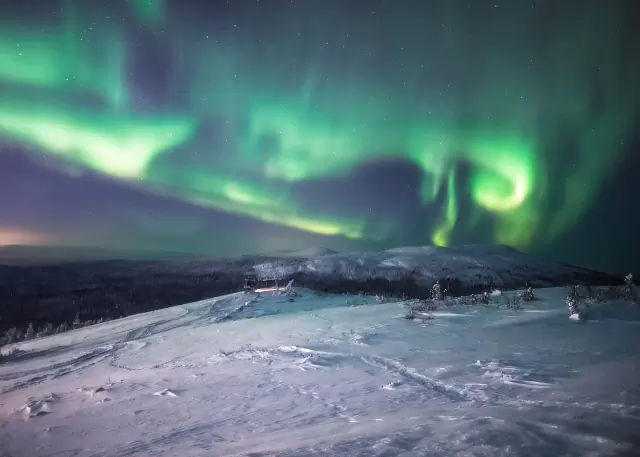
Norway stands as the undisputed crown jewel of aurora watching, where jagged fjords mirror curtains of green and violet light against an Arctic sky. With world-class infrastructure stretching deep into the polar circle and a culture built around embracing the dark season, Norway transforms every northern lights chase into an adventure.
Why Norway Is the Best Place to See the Northern Lights
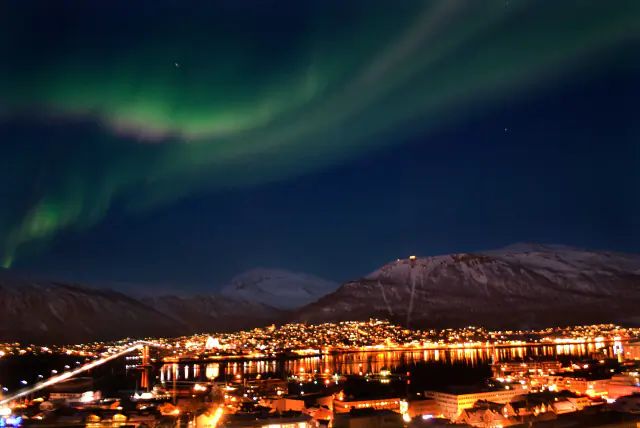
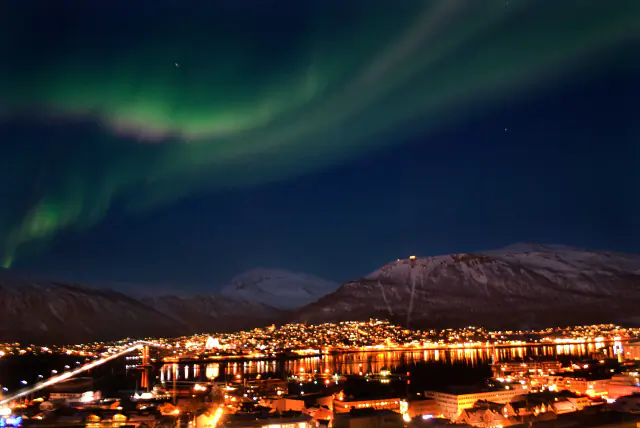
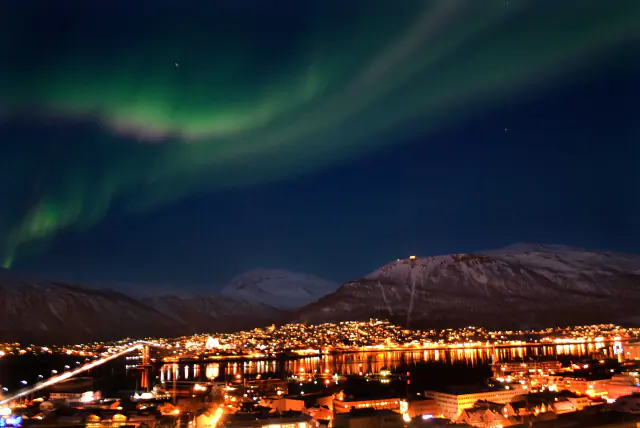
Norway occupies a unique geographic sweet spot for aurora viewing. The Norwegian coastline stretches from 58°N to well beyond the Arctic Circle at 66.5°N, placing much of the country directly beneath the auroral oval — the ring-shaped zone around the magnetic north pole where aurora activity is most frequent. Cities like Tromso, positioned at nearly 70°N, sit squarely in the statistical peak of aurora frequency.
What makes Norway truly exceptional is the Gulf Stream effect. Despite its extreme latitude, coastal Norway enjoys surprisingly mild temperatures compared to inland locations at similar latitudes in Canada or Russia. Winter temperatures in Tromso hover around -4°C (25°F), while Yellowknife, Canada at a similar latitude plunges to -30°C. This means you can stand outside watching the aurora without enduring bone-cracking cold, making extended viewing sessions far more comfortable.
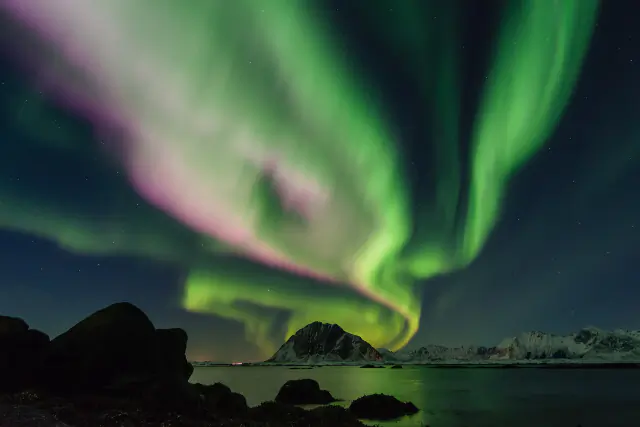
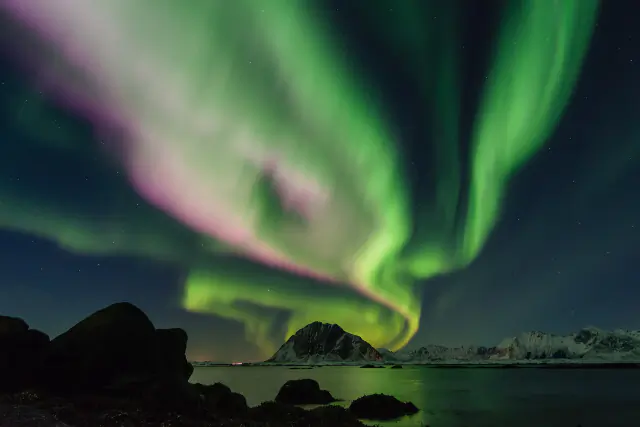
Norway also boasts some of the most dramatic backdrops on Earth. Imagine the northern lights dancing above the iconic fishing villages of Reine in Lofoten, reflecting in the still waters of a fjord with snow-capped peaks rising on either side. Or witnessing a coronal aurora directly overhead from the deck of a Hurtigruten coastal steamer as it threads through narrow channels. These are experiences that simply cannot be replicated anywhere else.
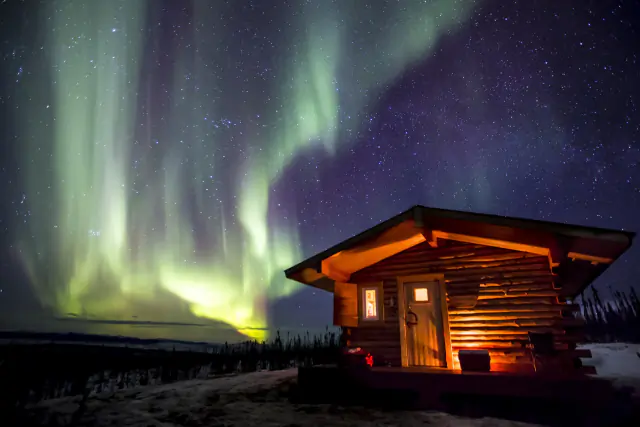
The Norwegian tourism industry has embraced aurora tourism wholeheartedly. You will find professional aurora guides, heated viewing cabins, real-time alert services, and purpose-built glass igloos and aurora lodges scattered across the north. Norway has invested heavily in making the northern lights accessible to everyone, from budget backpackers to luxury travelers.
Best Time to See the Northern Lights in Norway
The northern lights season in Norway runs from late September through late March, though the precise best window depends on where you visit and what conditions you prioritize. The aurora is technically active year-round, but Norway's summer midnight sun makes them invisible from May through July.
For the statistically highest aurora activity, aim for the equinox periods — late September to mid-October and late February to mid-March. During these windows, a well-documented geomagnetic effect called the Russell-McPherron effect causes increased solar wind coupling with Earth's magnetosphere, boosting aurora frequency by as much as 30% compared to midwinter.
October and November offer the advantage of reasonable darkness without extreme cold. Temperatures remain relatively mild along the coast, and the autumn landscape adds warm amber tones beneath the green aurora. The trade-off is more cloud cover and rain, especially along the coast.
December and January bring the polar night (mørketid) to northern Norway. In Tromso, the sun does not rise above the horizon from November 21 to January 21. This means aurora-hunting can begin as early as mid-afternoon — a unique advantage. However, this is also peak cloud season, so flexibility in your itinerary is essential.
February and March are considered by many locals to be the optimal months. Daylight returns, bringing stunning blue-hour photography conditions. Temperatures remain cold enough for clear skies but not unbearable. Snow cover is at its maximum, creating brilliant reflective landscapes. And aurora activity picks up heading into the spring equinox.
Check the aurora forecast before your trip and monitor the KP index for real-time geomagnetic activity levels. In northern Norway, a KP index of just 2-3 is typically sufficient for visible aurora displays.
Best Aurora Viewing Locations in Norway
Tromso is Norway's aurora capital and the most popular base for northern lights trips. This vibrant city of 77,000 offers a perfect blend of urban amenities and wilderness access. Join a guided minibus chase into the nearby Lyngen Alps or Kvaloya island, where guides use weather radar and satellite data to find clear skies. Tromso sees aurora on roughly two out of three clear nights during peak season.
Lofoten Islands provide the most photogenic aurora backdrop in the world. The dramatic peaks, red fishing cabins (rorbuer), and mirror-like fjords create compositions that have graced the covers of National Geographic and countless photography books. Lofoten sits slightly south of Tromso but remains well within the auroral zone. The islands' complex coastline means you can often find sheltered spots with clear skies even when surrounding areas are clouded over.
Alta, situated at the head of the Altafjord in Finnmark, enjoys some of the most stable winter weather in northern Norway. The continental climate influence means less precipitation and more clear-sky nights than coastal Tromso. Alta is also home to the Northern Lights Cathedral and the world's first dedicated aurora observatory, built by Kristian Birkeland in 1899.
Svalbard is the ultimate frontier aurora destination. At 78°N, this remote archipelago experiences continuous polar night from November to February. The high latitude means the auroral oval can actually pass south of Svalbard during intense storms, creating the rare spectacle of aurora on the southern horizon. The pristine Arctic wilderness, complete with polar bears and glaciers, makes Svalbard an otherworldly experience.
Nordkapp (North Cape) offers aurora viewing from the northernmost point in mainland Europe. The iconic globe monument, perched on a 307-meter cliff above the Arctic Ocean, provides a dramatic foreground for aurora photography. The exposed coastal location means wind can be fierce, but on calm clear nights, the display over the Barents Sea is breathtaking.
Other excellent locations include Senja (Norway's second-largest island with dramatic mountain scenery), Kirkenes (near the Russian border with reliably clear skies and king crab safaris), and Narvik (a fjord town with excellent mountain access and the Ofoten railway).
What to Expect When Viewing the Northern Lights in Norway
The northern lights are a natural phenomenon, and no trip comes with a guarantee. However, Norway offers some of the best odds on Earth. Statistical data shows that in Tromso, the aurora is visible on approximately 60-70% of clear nights during peak season. The key variable is cloud cover, not aurora activity — the lights are almost always happening overhead; it is the clouds that hide them.
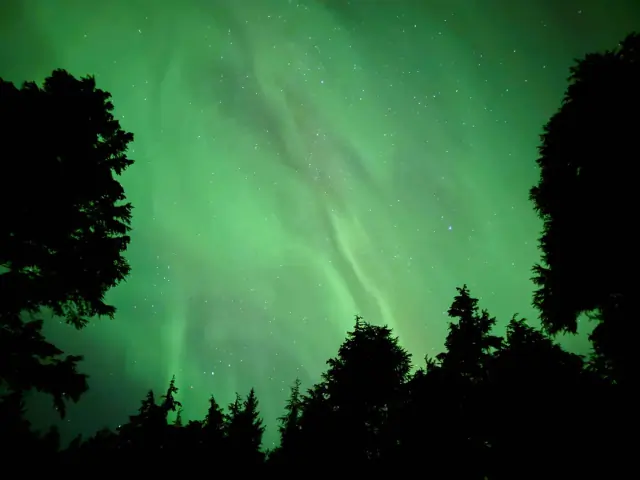
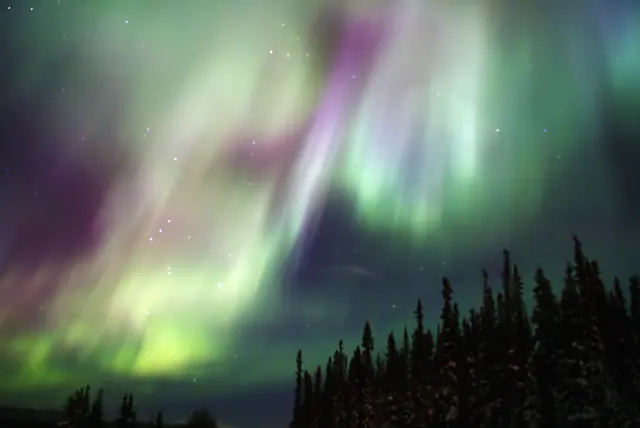
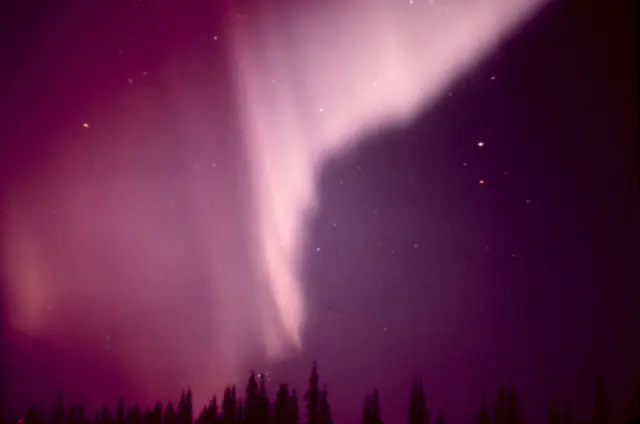
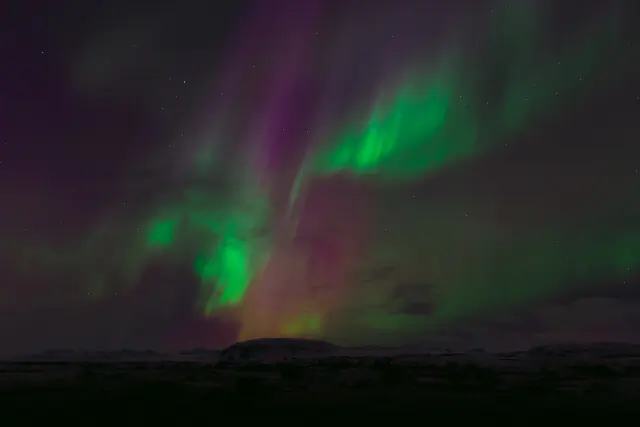
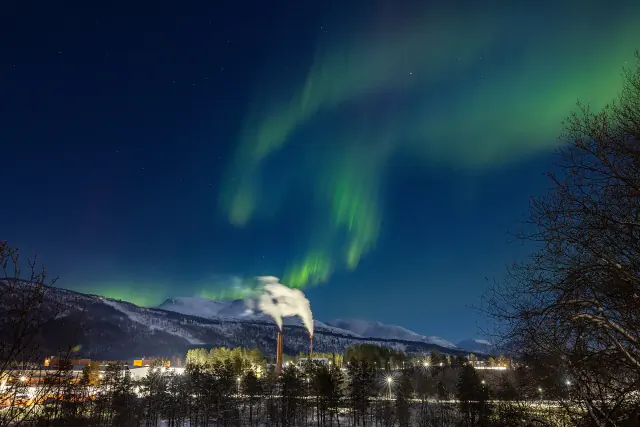
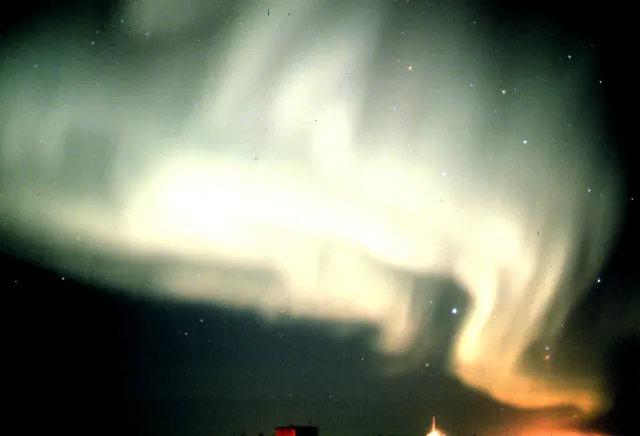
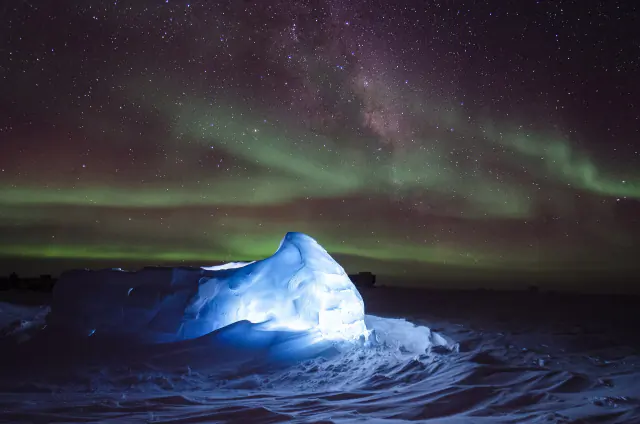
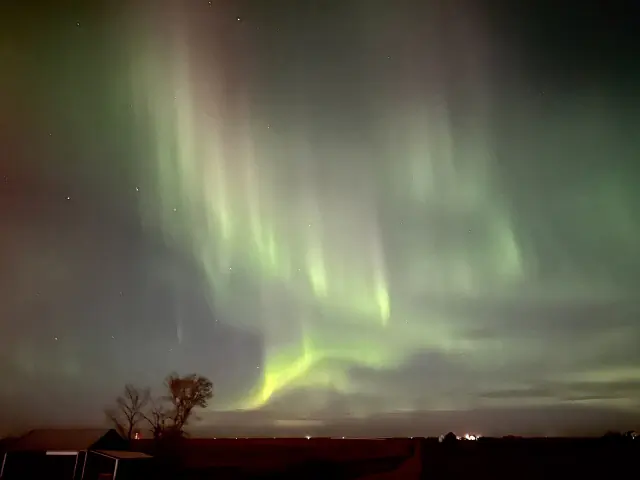
Aurora displays in Norway range from subtle greenish glows on the northern horizon to spectacular full-sky eruptions with multiple colors. The most common color is green, produced by oxygen atoms at around 100 km altitude. During intense storms (KP 5+), you may see vivid purple, pink, and red fringes caused by nitrogen molecules and high-altitude oxygen.
A typical guided aurora chase in Norway lasts 5-7 hours, departing around 6-7 PM and returning after midnight. Guides drive minibuses or vans, monitoring cloud maps and aurora forecasts in real time, sometimes covering 200+ km to find clear skies. Most tours include warm drinks, campfires, and tripods for photography. Expect to pay 1,200-1,800 NOK (roughly $110-$170 USD) per person.
Self-guided viewing is equally rewarding if you rent a car. Drive away from city lights — even 20-30 minutes outside Tromso makes a significant difference. Bring layers, hot drinks in a thermos, and a camera with manual settings. A wide-angle lens (14-24mm) with f/2.8 or wider aperture is ideal. Set your ISO between 1600-6400 and use exposures of 5-15 seconds depending on aurora brightness.
The emotional impact of seeing the northern lights in person cannot be overstated. Even seasoned travelers describe it as a life-changing experience. The lights move with a living, breathing quality that no photograph or video can capture — they pulse, shimmer, fold, and cascade across the sky in ways that feel deeply personal and almost spiritual.
Essential Tips for Aurora Hunting in Norway
Dress in layers. The Norwegian system is base layer (merino wool), mid layer (fleece or down), and outer layer (windproof and waterproof shell). Do not underestimate extremities — thick insulated boots, expedition mittens (not gloves, as fingers together stay warmer), a balaclava, and hand/toe warmers make the difference between an enjoyable experience and a miserable one.
Book accommodation with flexibility. The biggest enemy of aurora viewing is cloud cover, not aurora absence. If possible, book a minimum of 3-4 nights to give yourself multiple chances. Consider staying in locations with varied geography — coast and inland — so you can chase clear skies. Many aurora lodges offer real-time alerts that wake you when the lights appear.
Learn the forecast tools. Bookmark the aurora forecast page and familiarize yourself with the KP index scale. In northern Norway, a KP of 2-3 is sufficient for visible displays. Use the Norwegian weather service (yr.no) for hyper-local cloud forecasts, and download apps like My Aurora Forecast or Norway Lights for real-time alerts.
Combine activities. Norway offers incredible daytime Arctic experiences: dog sledding, reindeer sleigh rides, snowmobiling, whale watching (October-January in Tromso), cross-country skiing, and visiting Sami cultural sites. This way, even if the aurora hides behind clouds on a given night, your trip remains extraordinary.
Consider the Hurtigruten coastal voyage. The famous Norwegian postal ship route runs daily between Bergen and Kirkenes, covering 2,500 nautical miles along the coast. During winter, the ship has a dedicated aurora guide on board and will announce sightings over the PA system. The ship's mobility means it can sometimes outrun cloud banks — a unique advantage over land-based viewing.
Manage expectations and embrace the wait. Some of the most powerful auroral substorms arrive after midnight, so do not give up early. Norwegians have a saying: Det finnes ikke dårlig vær, bare dårlig klær — "There is no bad weather, only bad clothing." Prepare well, stay patient, and the sky will reward you.
Getting to Northern Norway
By air: Tromso (TOS) is the primary gateway to northern Norway for aurora tourism. SAS, Norwegian, and Wideroe operate daily flights from Oslo (2 hours), and there are seasonal direct flights from London, Helsinki, and other European cities. Alta (ALF), Bodo (BOO), and Kirkenes (KKN) are alternative airports serving different parts of northern Norway. Budget tip: flights are cheapest when booked 6-8 weeks in advance, and midweek departures save significantly.
By rail: The Nordland Railway from Trondheim to Bodo is one of the world's great train journeys, crossing the Arctic Circle at a monument-marked point. From Bodo, you can catch ferries to Lofoten. There is no railway to Tromso, but bus connections run from Narvik (which has a railway station on the Swedish Ofoten line).
By car: Renting a car gives maximum flexibility for aurora chasing. The E6 highway runs the entire length of Norway, and winter road conditions are generally well-maintained in the north. Studded tires are mandatory and included with winter rentals. Be aware of reindeer on the road — they wander freely in Finnmark and Troms, especially at dawn and dusk.
By sea: The Hurtigruten and Havila Kystruten coastal ships sail between Bergen and Kirkenes year-round, stopping at 34 ports along the way. This is arguably the most scenic approach to the north and doubles as a floating aurora observatory during winter. Short ferry crossings also connect the mainland to Lofoten, Senja, and other island destinations.
Borealis App
Aurora forecasts, social feed & Hunter Ranks
Frequently Asked Questions
February and March are widely considered the optimal months. They offer a perfect balance of long dark hours, returning daylight for stunning blue-hour photography, maximum snow cover for reflective landscapes, and statistically elevated aurora activity due to the spring equinox effect. However, any month from late September to late March provides good chances, especially in northern Norway above 69°N.
Oslo is at 60°N, which is south of the main auroral oval. Seeing aurora from Oslo requires a strong geomagnetic storm with a KP index of 5 or higher, which only occurs a few times per season. If your primary goal is northern lights, you should travel to Tromso, Lofoten, or another location above the Arctic Circle for dramatically better odds.
Budget approximately 15,000-25,000 NOK ($1,400-$2,400 USD) per person for a 5-night trip, including flights from a European hub, accommodation (mid-range hotel or cabin), one guided aurora tour, and meals. Norway is expensive by global standards — a restaurant dinner costs 250-400 NOK and a hotel room 1,200-2,500 NOK per night. Savings are possible by self-catering in a rental cabin and driving your own car.
No, you do not need a guide, especially if you rent a car and drive away from city lights. The aurora is visible to the naked eye when it appears, and basic forecast tools can help you find clear skies. However, experienced guides significantly improve your odds by using professional weather and aurora monitoring tools, and they know the best local viewpoints. For first-time visitors, at least one guided tour is highly recommended.
Both are excellent. Tromso offers more tour options, easier access, urban amenities, and the flexibility of guided chases that cover large distances. Lofoten offers arguably the most beautiful aurora backdrops in the world, with dramatic mountains and fishing villages reflected in fjords. If you have time, combine both — they are connected by a 5-hour drive or a short flight. For a pure northern lights mission, Tromso's guided chase infrastructure gives you the edge; for photography, Lofoten wins.
In Tromso and other locations above 69°N, a KP index of just 2-3 is typically sufficient for visible aurora displays, and KP 1 can produce faint but visible activity on clear nights. This is a major advantage of northern Norway — you do not need a major geomagnetic storm. Check the real-time KP index on our forecast page for current conditions.
In Tromso, the polar night (mørketid) lasts from approximately November 21 to January 21. The sun does not rise above the horizon during this period, though there are several hours of beautiful blue twilight around midday. In Svalbard, polar night runs from late October to mid-February. Despite the name, polar night is not 24 hours of pitch darkness — it is a prolonged twilight that is actually quite beautiful and provides excellent conditions for aurora viewing from early afternoon onward.
Yes! Late September is an excellent time to see the northern lights in northern Norway. The autumn equinox boosts geomagnetic activity, and the nights become dark enough for aurora viewing by mid-to-late September above the Arctic Circle. An added bonus is the spectacular fall foliage — birch forests turn brilliant gold and orange, creating stunning compositions beneath the aurora. September also offers milder temperatures than the deep winter months.
Related Articles
Destination
Northern Lights in Sweden
Swedish Lapland offers a serene and authentic Arctic aurora experience, anchored by the legendary Abisko National Park —...
Destination
Northern Lights in Finland
Finland's Lapland region is a magical aurora borealis destination where vast Arctic wilderness, Sami culture, glass iglo...
Destination
Northern Lights in Iceland
Iceland offers an otherworldly aurora borealis experience set against volcanic landscapes, glaciers, hot springs, and bl...