Northern Lights Destination
Northern Lights in Finland
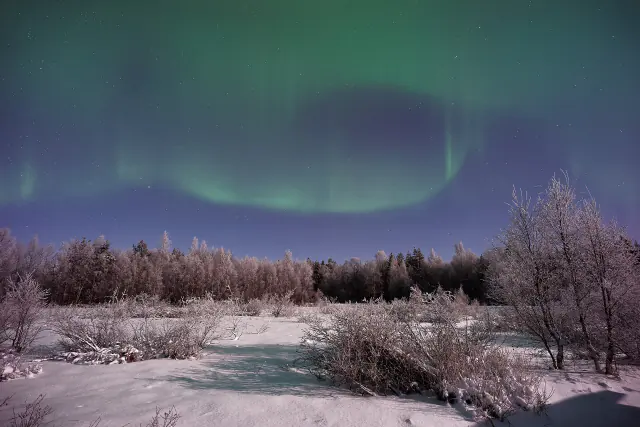
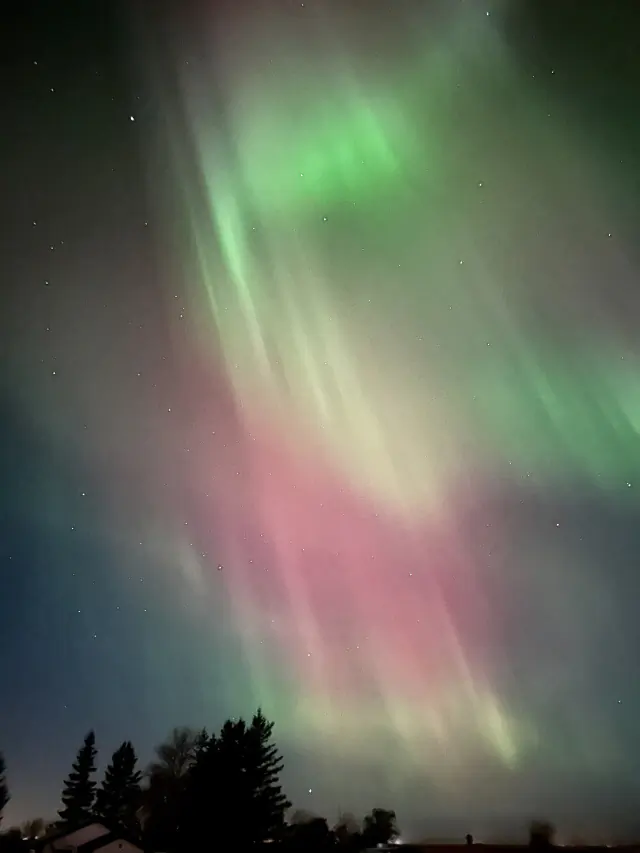
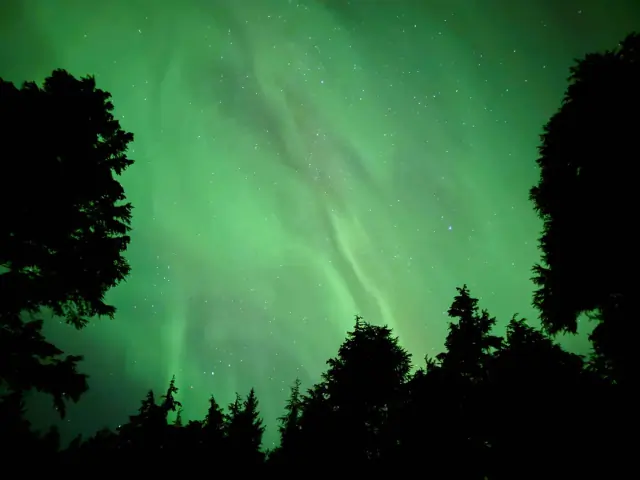
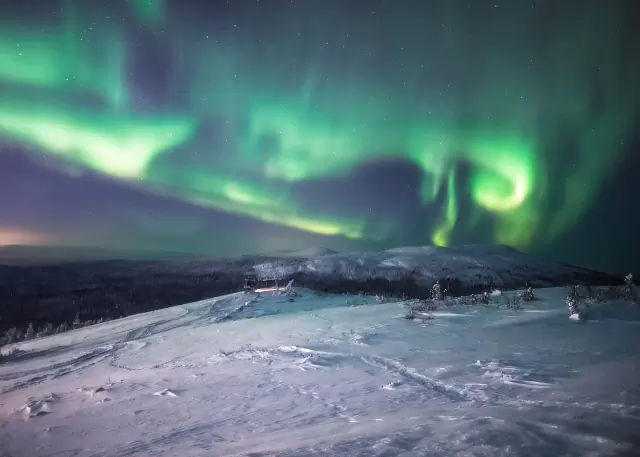
Finnish Lapland transforms winter darkness into a canvas of light, where the aurora borealis sweeps across endless snow-dusted forests and frozen lakes. Nowhere else on Earth merges cutting-edge aurora viewing technology — from glass igloos to aurora alert apps — with the timeless magic of reindeer-drawn sleigh rides and crackling campfires beneath the polar sky.
Why Finland Is a World-Class Aurora Destination
Finnish Lapland, the region above the Arctic Circle at 66.5°N, encompasses a vast wilderness that is larger than Portugal yet home to fewer than 200,000 people. This extraordinary emptiness translates to some of the darkest skies in Europe — light pollution is virtually nonexistent once you leave the small towns and ski resorts that dot the landscape.
Finland's geographic position places Lapland squarely within the auroral oval. The Finnish Meteorological Institute reports that the northern lights are visible in Lapland on approximately 200 nights per year — more than one in every two nights during the aurora season. In Utsjoki, Finland's northernmost municipality at 70°N, the aurora appears almost every clear night during winter.
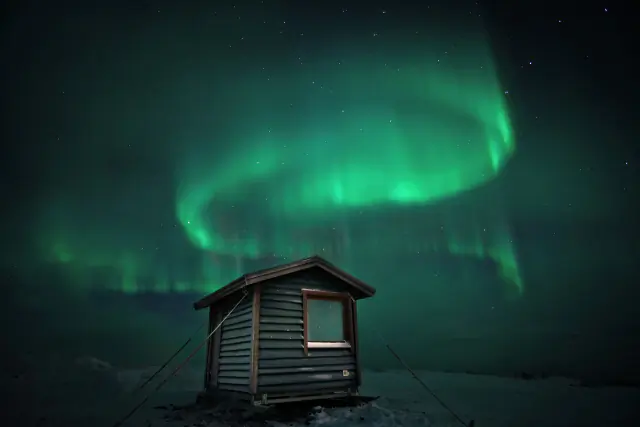
What truly distinguishes Finland is its innovative approach to aurora viewing. Finnish entrepreneurs have pioneered glass-roofed igloos and aurora cabins that let you watch the northern lights from the warmth of your bed. Heated aurora viewing huts, aurora alarm systems in hotels, and even an "aurora flight" service that chases the lights from a small aircraft represent the cutting edge of aurora tourism.
Finland's continental climate is another significant advantage. Unlike coastal Norway and Iceland, interior Lapland experiences less cloud cover and more stable weather. Cold, crisp Arctic air often produces crystal-clear skies that are ideal for viewing. The trade-off is temperature — Finnish Lapland is genuinely cold, with December and January temperatures regularly dropping to -20°C to -30°C. But this cold air produces exceptional atmospheric clarity and often spectacular ice crystal halos and light pillars that complement aurora displays.
Best Time to See the Northern Lights in Finland
The Finnish aurora season extends from late August through early April, with the core viewing period running September through March. Finland's high latitude means darkness returns early in autumn and lingers late into spring, providing an extended window of opportunity.
September kicks off the season with a combination of autumn colors (ruska in Finnish), mild temperatures, and the equinox aurora boost. The birch and aspen forests of Lapland turn brilliant gold and crimson, creating a warm foreground beneath green aurora curtains. This is a photographer's dream month, though cloud cover is more common than in midwinter.
October and November bring the first heavy snowfall and the transition to winter darkness. By mid-November, the polar night (kaamos) begins in the far north. Aurora frequency increases as the nights lengthen, and the fresh snow cover amplifies the lights' reflections. These months offer a good balance of darkness and reasonable temperatures (-5°C to -15°C).
December and January are the heart of the polar night. In Utsjoki, the sun does not rise above the horizon for nearly two months. While this provides maximum viewing time, temperatures are severe (-20°C to -35°C) and require serious preparation. The Christmas and New Year period is peak tourist season, so book accommodation months in advance.
February and March are considered the prime months by experienced aurora watchers. Daylight returns, bringing beautiful pastel twilights and blue-hour conditions perfect for photography. Temperatures moderate slightly, clear skies become more frequent, and the spring equinox enhances geomagnetic activity. March also offers excellent conditions for combining aurora viewing with spring skiing and snowmobile safaris.
Use the Finnish Meteorological Institute's aurora forecast (available on our forecast page) and monitor the KP index. In northern Lapland, a KP of 2 or higher typically produces visible aurora.
Best Places to See Northern Lights in Finland
Rovaniemi — The capital of Finnish Lapland and official hometown of Santa Claus sits right on the Arctic Circle. While the town itself has some light pollution, the surrounding wilderness offers excellent dark skies within a short drive. Rovaniemi's main advantage is its excellent flight connections (direct from many European cities) and wide range of accommodation and tour options. The Arctic TreeHouse Hotel, with its glass-walled suites facing north, is particularly popular for aurora viewing.
Inari — This small Sami community on the shores of Lake Inarijärvi is one of Finland's premier aurora destinations. At nearly 69°N, Inari sits well within the auroral oval, and the vast frozen lake provides an unobstructed 360-degree horizon ideal for spotting lights in any direction. The Sami cultural center Siida offers context about the indigenous people's relationship with the aurora, known in Sami tradition as the fires of the fox (revontulet).
Saariselkä — A popular fell resort nestled among rounded mountains in the Urho Kekkonen National Park. Saariselkä is home to the famous Kakslauttanen Arctic Resort, where glass igloos offer heated aurora viewing from the comfort of your bed. The surrounding fells provide elevated viewpoints above the tree line, giving unobstructed views of the full sky.
Levi — Finland's largest ski resort doubles as an excellent aurora base. The ski slopes and gondola provide elevated viewing platforms, and the resort's aurora alert service will notify you when lights appear. Levi's well-developed tourism infrastructure means excellent restaurants, spa hotels, and activity providers, making it ideal for travelers who want comfort alongside wilderness.
Kilpisjärvi — Finland's westernmost and highest village, on the border with Sweden and Norway, occupies a dramatic mountain setting unusual for Finland. The clear Arctic air and elevation produce exceptional viewing conditions, and the village's isolation means virtually zero light pollution. Kilpisjärvi is where Finland, Sweden, and Norway meet at the Treriksröset cairn — you can watch the aurora from three countries simultaneously.
Other outstanding locations include Muonio (home to Torassieppi reindeer farm and aurora camp), Nellim (a tiny wilderness village on Lake Inari with luxury aurora cabins), and Utsjoki (Finland's northernmost point with the country's highest aurora frequency).
The Finnish Aurora Experience
A northern lights experience in Finland is unlike any other destination. The glass igloo concept, pioneered at Kakslauttanen in Saariselkä, has become iconic. These heated glass domes face north and are equipped with aurora alert systems. You literally fall asleep watching for the aurora and may be woken by the lights dancing above you in the middle of the night. Similar concepts now exist at Arctic Snow Hotel (Rovaniemi), Levin Iglut (Levi), and Star Arctic Hotel (Saariselkä), among others.
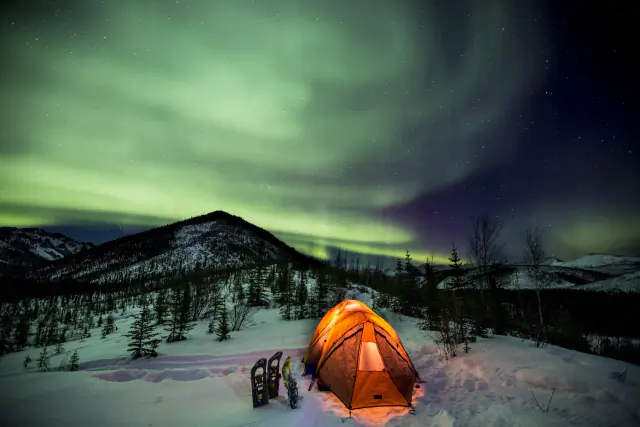
Aurora safaris are another distinctly Finnish experience. Many lodges offer guided excursions by snowmobile, reindeer sleigh, or snowshoe to remote viewing spots in the wilderness. Picture arriving at a frozen lakeside campsite, a fire crackling, hot berry juice in hand, as your guide scans the sky for the first hints of green. When the aurora appears, the silence of the Finnish wilderness — broken only by crackling cold and distant owl calls — amplifies the experience immeasurably.
Finland's extreme cold is both a challenge and an asset. Temperatures of -25°C to -35°C require proper Arctic clothing — most tour operators provide thermal overalls, boots, mittens, and balaclavas. The intense cold produces exceptionally clear, dry air with minimal atmospheric disturbance, making aurora displays crisp and vivid. It also creates secondary phenomena like ice halos, light pillars, and diamond dust (tiny ice crystals suspended in air that sparkle in moonlight or aurora-light).
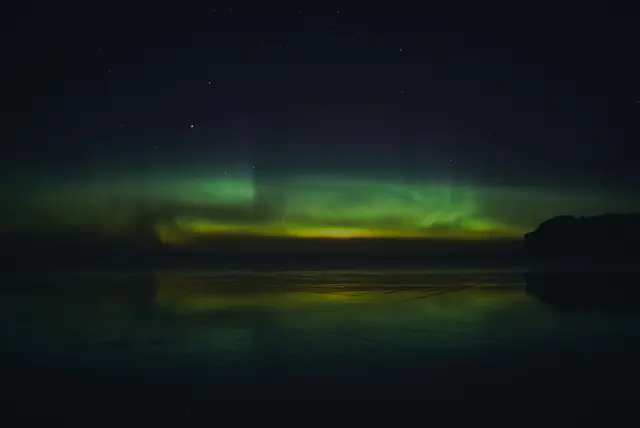
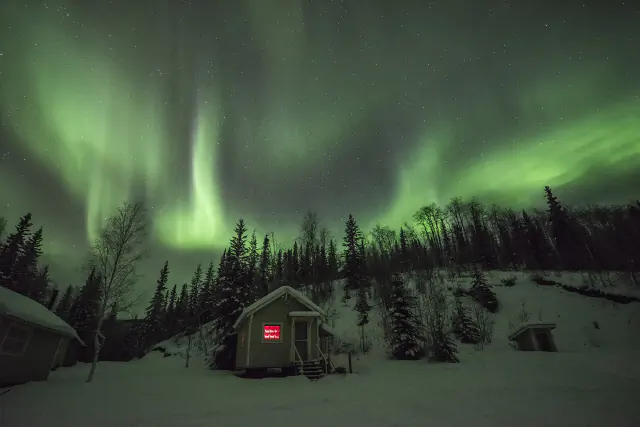
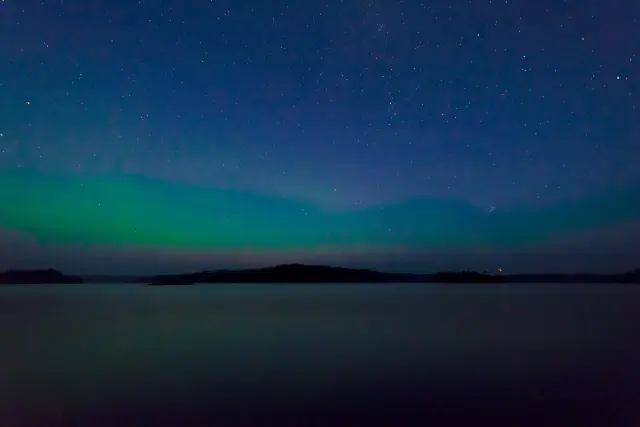
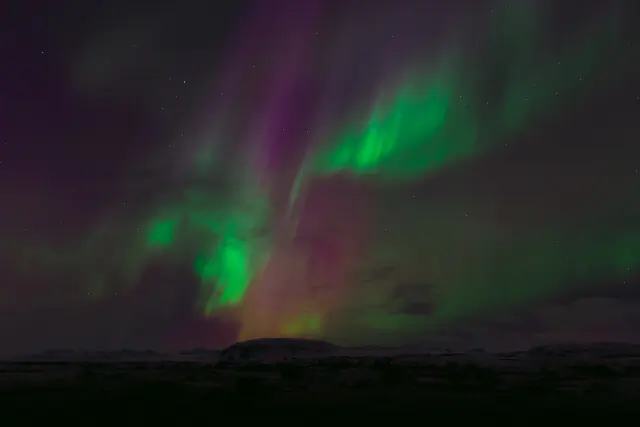
Expect aurora displays of varying intensity. On quiet nights, you might see a gentle green arc along the northern horizon. On active nights, vivid curtains of green, purple, and pink will dance across the entire sky, sometimes pulsing rapidly in what is called a pulsating aurora — a phenomenon where patches of sky flicker on and off like a cosmic heartbeat. These substorm displays often peak between 10 PM and 2 AM.
Essential Tips for Aurora Viewing in Finland
Prepare for extreme cold. Finnish Lapland is significantly colder than coastal Norway or Iceland. Dress in proper Arctic layers: merino wool base layer, thick fleece or down mid layer, and a windproof outer shell rated to -30°C or beyond. Chemical hand and toe warmers are essential. Many tour operators provide cold-weather gear — confirm before packing.
Book glass igloos months in advance. The most popular aurora accommodations (Kakslauttanen, Arctic TreeHouse Hotel, Star Arctic Hotel) sell out 6-12 months ahead for peak season (December-March). Book as early as possible, and consider midweek stays for better availability. Alternative options like heated aurora huts and wilderness cabins offer similar experiences at lower prices.
Combine aurora viewing with Finnish Lapland activities. Daytime options include husky sledding (a quintessential Finnish experience), reindeer farm visits, cross-country skiing, snowmobiling, ice fishing on frozen lakes, visiting Santa Claus Village in Rovaniemi, and experiencing a traditional Finnish sauna followed by snow rolling. An icebreaker cruise in Kemi, where you can swim in the frozen Baltic Sea in a survival suit, is unforgettable.
Learn to photograph in extreme cold. Batteries drain rapidly below -10°C — carry spares inside your jacket against your body. When bringing camera equipment from cold to warm environments, place it in a sealed plastic bag to prevent condensation on lenses and electronics. Touchscreen devices often do not work with thick gloves — use a stylus or capacitive-tip gloves.
Use aurora alerts and forecast tools. Most Lapland hotels and resorts offer aurora alert services that notify guests (by phone, app, or alarm) when the lights appear. The Finnish Meteorological Institute provides detailed aurora forecasts. Our aurora forecast page covers Finnish Lapland with KP index data and cloud cover predictions.
Consider the revontulet tradition. In Finnish, the northern lights are called revontulet, meaning "fox fires." The Sami legend tells of a magical fox running across the Arctic fells, its tail brushing the snow and sending sparks into the sky. Learning about these cultural traditions enriches the experience beyond mere spectacle.
Borealis App
Aurora forecasts, social feed & Hunter Ranks
Frequently Asked Questions
Inari and Utsjoki in northern Lapland offer the highest aurora frequency, with lights visible on nearly every clear winter night. For the iconic glass igloo experience, Saariselkä (Kakslauttanen) is the top choice. For accessibility and variety of tours, Rovaniemi and Levi are excellent bases. Each location offers a distinct experience, so the best choice depends on your priorities.
February and March offer the optimal combination of clear skies, returning daylight for photography, tolerable temperatures, and spring equinox aurora enhancement. September is excellent for autumn colors with aurora. December-January provide maximum darkness but extreme cold (-25°C to -35°C) and heavy tourist traffic around Christmas.
Temperatures in Finnish Lapland typically range from -5°C in October to -30°C or below in January and February. The coldest recorded temperature in Lapland is -51.5°C (in Kittilä, 1999). December through February averages -15°C to -25°C. Proper Arctic clothing is essential — most tour operators provide thermal suits, boots, and accessories.
Glass igloos at premium resorts like Kakslauttanen cost 400-800 EUR per night during peak season. For many visitors, the experience of watching the aurora from a warm bed is worth the splurge for at least one night. To maximize value, combine one or two igloo nights with more affordable cabin or hotel stays. Book 6-12 months ahead as they sell out quickly.
Very rarely. Helsinki is at 60°N, well south of the auroral oval. Strong geomagnetic storms (KP 6+) can occasionally produce visible aurora from Helsinki, but this happens only a few times per year. For reliable aurora viewing, you need to travel to Lapland — Rovaniemi is a 1.5-hour flight or overnight train ride from Helsinki.
The Finnish word is 'revontulet,' which translates to 'fox fires.' The name comes from a Sami legend about a magical Arctic fox whose tail brushes against snowdrifts, sending sparks flying into the night sky to create the aurora. The Sami people, who are indigenous to Lapland, have their own rich traditions and stories surrounding the northern lights.
Fly to Rovaniemi (RVN), Ivalo (IVL), Kittilä (KTT), or Enontekiö (ENF) from Helsinki. Finnair and Norwegian operate regular flights, with Rovaniemi having the most frequent connections. Direct seasonal flights from London, Paris, and other European cities serve Rovaniemi and Kittilä during winter. Alternatively, the overnight Santa Claus Express train from Helsinki to Rovaniemi is a scenic 12-hour journey.
Not necessarily. The aurora is visible to the naked eye from any dark location, and many hotels offer aurora alerts. However, guided aurora safaris add significant value through local knowledge, access to prime locations, warm equipment provision, and the overall experience (campfires, hot drinks, reindeer encounters). For first-time visitors, at least one guided experience is recommended.
Related Articles
Destination
Northern Lights in Norway
Norway is the world's premier aurora borealis destination, offering dramatic Arctic landscapes, well-developed tourism i...
Destination
Northern Lights in Sweden
Swedish Lapland offers a serene and authentic Arctic aurora experience, anchored by the legendary Abisko National Park —...
Destination
Northern Lights in Russia
Russia's Kola Peninsula offers raw, authentic aurora borealis viewing in one of the most accessible and affordable Arcti...