Northern Lights Destination
Northern Lights in Watson Lake, Canada
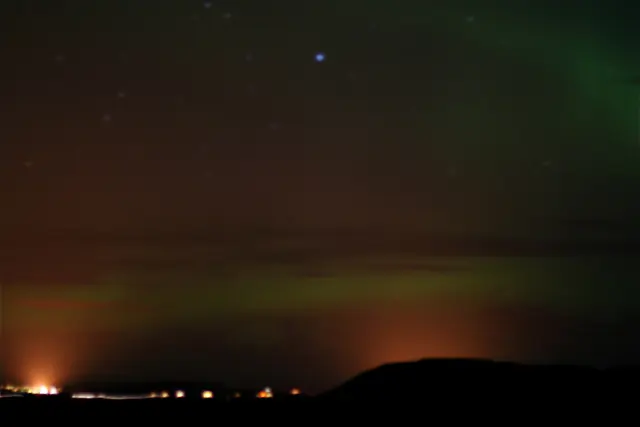
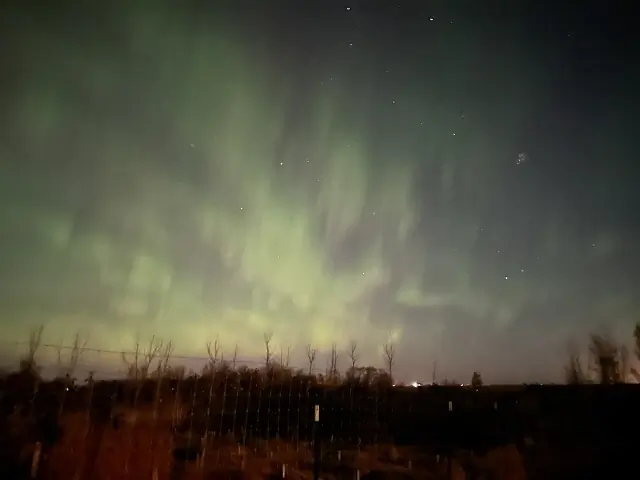
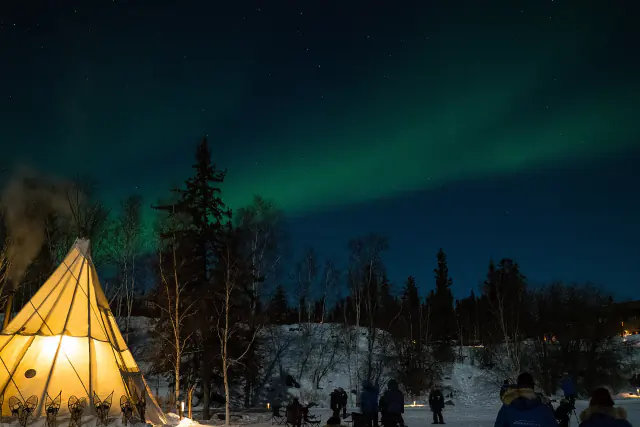
Watson Lake combines Yukon frontier history — embodied by the legendary Sign Post Forest — with spectacular aurora borealis above remote, pristine northern skies.
Watson Lake: Aurora at the Sign Post Forest
Watson Lake at 60.06°N sits comfortably within the auroral zone, requiring only a KP index of 4 for reliable overhead displays. This small Yukon community of roughly 800 people has earned global fame for the Sign Post Forest, a collection of over 100,000 directional signs planted since US Army Private Carl K. Lindley erected the first sign in 1942 during construction of the Alaska Highway. The collection has grown into one of Canada's most quirky and beloved landmarks.
Beyond the signs, Watson Lake offers something equally compelling: extremely low light pollution and a geographic position that places it directly beneath some of the most productive aurora zones in the Yukon Territory. The town's location along the Alaska Highway makes it more accessible than many aurora destinations of comparable quality, with regular road connections to both Whitehorse and British Columbia.
The surrounding boreal wilderness — dense spruce forests, crystal-clear lakes, and the remote Frances and Liard river systems — provides endless opportunities for dramatic aurora photography. When the northern lights appear above the Sign Post Forest itself, the resulting images become truly iconic, combining human history with nature's greatest light show. Check the aurora forecast before heading out to maximize your chances.
Best Aurora Viewing Spots Around Watson Lake
The Sign Post Forest itself on the Alaska Highway provides one of the most photogenic foregrounds for aurora photography in the Yukon. On clear nights when the KP index reaches 4 or above, the northern lights arc above thousands of weathered road signs from every corner of the world, creating images of extraordinary depth and human interest.
Watson Lake itself — the lake after which the town is named — lies just minutes from the town center and offers a perfect reflective surface for capturing aurora reflections. The lake's northern shore provides unobstructed sky access, and in autumn before freeze-up, the still water mirrors every color of the display.
Wye Lake, a small lake near the town center, is another accessible viewing location. The provincial campground areas around Watson Lake provide dark, open viewing platforms with minimal ambient light. For more remote viewing, driving a short distance on secondary roads toward the Frances Lake area brings you into near-complete wilderness darkness where even faint aurora structures become vividly visible. Use a KP index tracker to plan your night out.
When to Visit Watson Lake for the Northern Lights
The aurora season in Watson Lake runs from September through March, coinciding with the return of proper darkness after the long Yukon summer. September brings the early aurora season with moderate temperatures and the possibility of capturing the northern lights reflected in unfrozen lake surfaces — a combination particularly cherished by photographers.
The equinox periods in late September and late March are statistically the most geomagnetically active periods, and Watson Lake regularly benefits from these enhanced solar wind conditions. Winter months from November through February deliver 15 to 18 hours of darkness, providing ample viewing windows.
Watson Lake winters are genuinely cold, with temperatures commonly reaching -25°C to -35°C in January and February. Dress in full arctic layers and be prepared for extended outdoor exposure. The upside is that the extreme cold produces exceptionally clear, dry air — ideal for aurora photography. See our best time to visit guide for detailed seasonal advice, and consult the aurora photography guide for camera settings in these cold conditions.
Getting to Watson Lake and Practical Tips
Watson Lake Airport (YQH) serves the community with limited scheduled air service, but most visitors arrive by driving the Alaska Highway — a legendary road trip route that passes directly through town. From Whitehorse, Watson Lake is approximately 440 km southeast, a journey of roughly 4.5 hours. From Fort Nelson, British Columbia to the southeast, it's about 520 km.
Accommodation in Watson Lake includes the Belvedere Motor Hotel and several campgrounds and RV parks. Services are more limited than in Whitehorse, so fuel up, stock food supplies, and ensure your vehicle is winterized before heading to more remote viewing locations. The Watson Lake Visitor Centre provides helpful orientation to local attractions and road conditions.
Always carry emergency supplies when driving in the Yukon winter — a sleeping bag, extra food, and a shovel are essential. The Watson Lake area is truly remote, and roadside assistance can be slow to arrive. That said, the Alaska Highway is maintained year-round and is generally passable with proper winter tires. The reward for this preparation is aurora viewing of exceptional quality in one of Canada's most atmospheric frontier settings.
Plan the trip
Getting to Watson Lake
Aurora trips need three things booked together: a flight into the right airport, somewhere dark to stay, and usually a car, because the sky you get is the sky above wherever you can drive to that night.
Compare flightsLive fares into Watson Lake Airport (YQH), the closest airport to Watson Lake.
Affiliate links. Booking through them costs you nothing extra and helps keep this site running.
Borealis App
Aurora forecasts, social feed & Hunter Ranks
Frequently Asked Questions
The Sign Post Forest is a collection of over 100,000 directional signs, plaques, and license plates erected along the Alaska Highway in Watson Lake, Yukon. It began in 1942 when a homesick US Army soldier put up a sign pointing toward his hometown. Visitors from around the world continue to add their own signs, making it one of Canada's most visited roadside attractions.
Watson Lake is approximately 440 km southeast of Whitehorse along the Alaska Highway, a drive of roughly 4 to 4.5 hours. The road is maintained year-round but requires winter tires and caution in icy conditions between October and April.
A KP index of 4 is generally sufficient for good aurora displays in Watson Lake. At this level, distinct aurora bands and curtains are visible overhead. Higher KP events (5 and above) produce more dramatic full-sky displays. Use aurora alert apps or the NOAA Space Weather Prediction Center to track the KP index in real time.
Watson Lake has limited dedicated aurora tour infrastructure compared to Whitehorse or Yellowknife. Most visitors explore independently using rental vehicles. The town's accessible viewing locations — Watson Lake, the Sign Post Forest area, and nearby forest roads — are easily reached without a guide. Consider basing yourself in Whitehorse and taking a day or overnight trip to Watson Lake.
The Watson Lake area is rich in wildlife. Bison from the nearby Liard area occasionally appear along the highway. Moose, wolves, foxes, and lynx inhabit the surrounding boreal forest. Stone sheep can be spotted on rocky hillsides. Wildlife is most active at dawn and dusk, which conveniently overlaps with aurora viewing hours.
Related Articles
Destination
Northern Lights in Whitehorse
Whitehorse, the capital of Yukon Territory, is a vibrant gateway to northern aurora viewing. Nestled in a valley along t...
Destination
Northern Lights in Dawson City
Dawson City, the legendary Klondike Gold Rush town at the confluence of the Yukon and Klondike Rivers, offers some of th...
Destination
Northern Lights in Yellowknife
Yellowknife is widely regarded as the aurora capital of North America. Situated beneath the auroral oval, this Northwest...