Northern Lights Destination
Northern Lights in Faroe Islands, Denmark
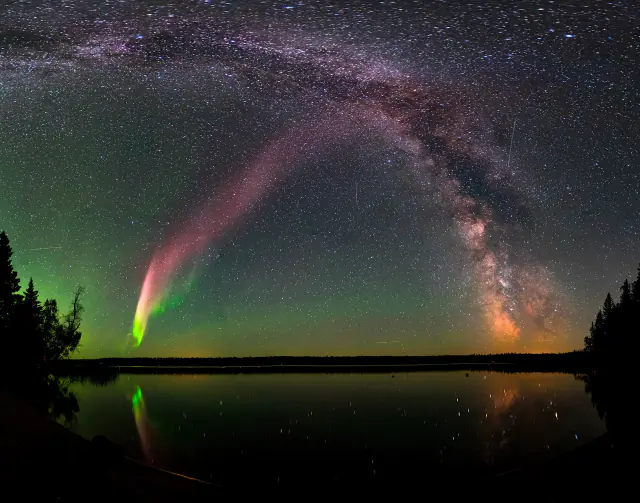
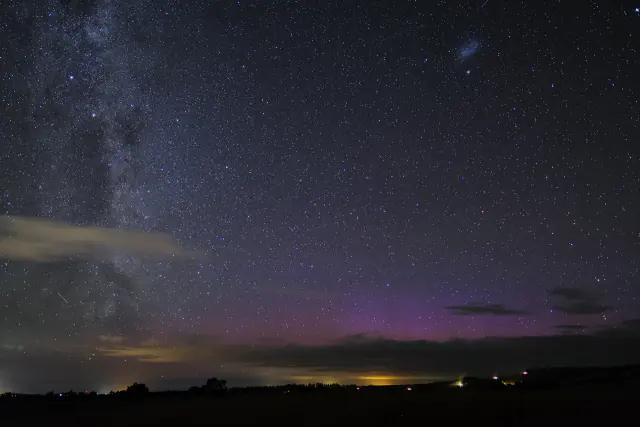
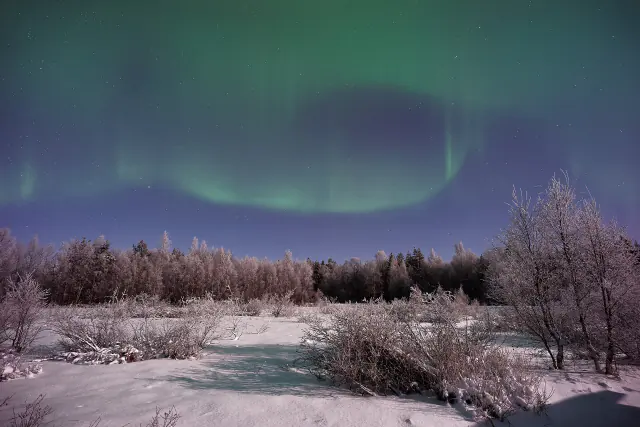
The Faroe Islands offer aurora viewing from the edge of the world — where towering sea cliffs, turf-roofed villages, and the wild North Atlantic create Europe's most atmospheric northern lights setting.
Aurora in the North Atlantic
The Faroe Islands at 62.01°N sit at an excellent latitude for aurora viewing, further north than most of Iceland outside Reykjavik. With a KP index of 3 sufficient for visible displays, the Faroes see aurora frequently during the active season, though persistent North Atlantic cloud cover is the primary challenge.
The archipelago's dramatic landscape — towering sea cliffs up to 754 meters, cascading waterfalls, grass-roofed villages, and narrow fjords — creates some of the most visually striking aurora foregrounds in Europe. The Faroes have a wild, untamed character that infuses the aurora experience with genuine adventure and atmosphere.
The islands are remarkably undiscovered compared to Iceland or northern Scandinavia. With a population of just 54,000 across 18 islands, the Faroes offer an intimate, uncrowded aurora experience that stands in stark contrast to Iceland's tourist volumes.
Where to View Aurora in the Faroe Islands
Gasadalur on the island of Vagar provides one of Europe's most iconic views — the Mulafossur waterfall cascading directly into the ocean. Aurora above this scene creates images of extraordinary drama. Sorvagsvatn/Leitisvatn, the lake that appears to hover above the ocean, offers another unique setting.
Vidoy and Bordoy islands in the northeast provide the most northerly viewing in the Faroes. Mykines, the westernmost island, offers complete isolation and Atlantic-facing views. Kalsoy island, with its Kallur Lighthouse, provides one of the Faroes' most dramatic landscape settings.
The islands of Eysturoy and Streymoy provide accessible viewing from the main road network. Slattaratindur, the Faroes' highest point on Eysturoy, offers elevated views when accessible. The open ocean between islands provides dark, unobstructed views in many directions.
Getting to the Faroe Islands
Vagar Airport (FAE) receives flights from Copenhagen, Reykjavik, Edinburgh, and Bergen via Atlantic Airways and SAS. The Smyril Line ferry connects to Denmark (Hirtshals) and Iceland (Seydisfjordur) seasonally.
Accommodation includes hotels, guesthouses, and Airbnbs across the main islands. Torshavn, the capital, has the best selection. The islands are connected by tunnels, bridges, and ferries, making exploration by rental car straightforward. Book a car well in advance as availability is limited.
Faroese weather is infamously changeable — fog, rain, wind, and sun can all occur within hours. Winter temperatures are surprisingly mild (2°C to 6°C) thanks to the Gulf Stream, but wind and rain are persistent. Waterproof, windproof clothing is far more important than extreme cold-weather gear. Cloud is the main enemy of aurora viewing — check multiple forecasts and be prepared to drive between islands chasing clear patches.
Plan the trip
Getting to Faroe Islands
Aurora trips need three things booked together: a flight into the right airport, somewhere dark to stay, and usually a car, because the sky you get is the sky above wherever you can drive to that night.
Compare flightsLive fares into Vagar Airport (FAE), the closest airport to Faroe Islands.
Affiliate links. Booking through them costs you nothing extra and helps keep this site running.
Borealis App
Aurora forecasts, social feed & Hunter Ranks
Frequently Asked Questions
The latitude (62°N) is excellent, requiring only KP 3 for visible aurora. The main challenge is cloud cover — the Faroes' maritime climate brings frequent clouds. When skies clear, the dramatic landscapes create some of Europe's most atmospheric aurora experiences. Plan multiple nights for the best odds.
September through March, with the equinox periods (late September and late March) statistically most active. November through February offers the longest nights. Weather is somewhat less stormy in spring (March-April) than deep winter, potentially offering more clear windows.
Fly to Vagar Airport from Copenhagen (2 hours), Reykjavik, Edinburgh, or Bergen via Atlantic Airways or SAS. The Smyril Line ferry operates from Hirtshals, Denmark (36 hours) and seasonally from Iceland. Flights are the most practical option for aurora trips.
Significantly less. The Faroes receive a fraction of Iceland's tourist numbers, offering a quieter, more authentic experience. Accommodation and restaurants are less abundant but of high quality. The islands retain a genuine, uncrowded character that enhances the aurora experience.
Related Articles
Destination
Northern Lights in Shetland
The Shetland Islands at 60°N are the most northerly part of the United Kingdom and the best location in Britain for seei...
Destination
Northern Lights in Orkney
The Orkney Islands, lying just off Scotland's northeast tip, are among the best places in the UK to see the northern lig...
Destination
Northern Lights in Cairngorms
The Cairngorms National Park in the Scottish Highlands is Britain's largest national park and one of the best places in ...