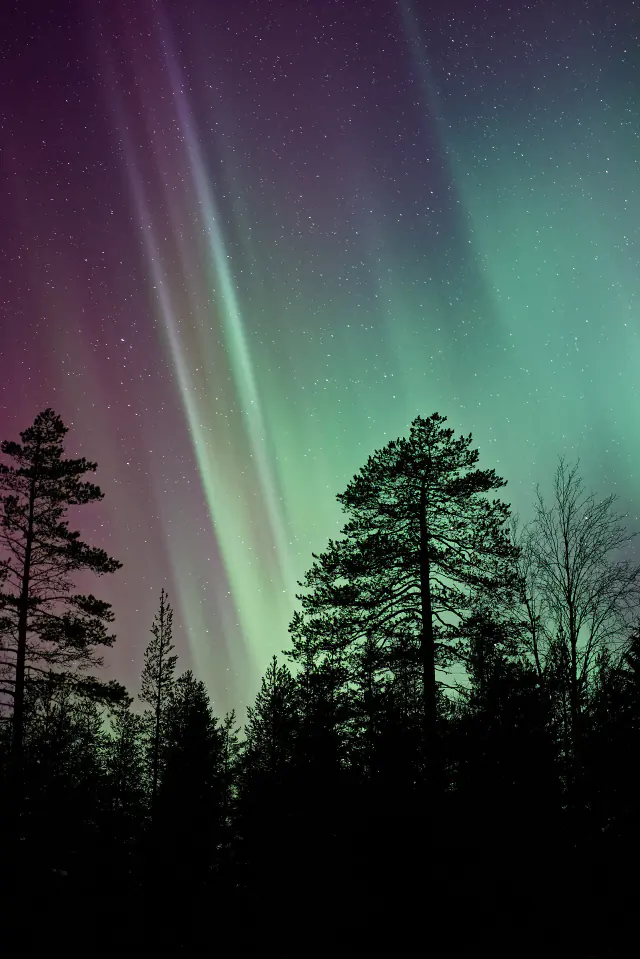
Northern Lights Destination
Northern Lights in Reykjavik, Iceland
Iceland's vibrant capital sits at the doorstep of world-class aurora viewing - escape the city lights and witness the northern lights over volcanic landscapes and geothermal fields.
Reykjavik: Gateway to Iceland's Aurora
Reykjavik at 64.15°N is the world's northernmost capital city and the starting point for virtually every aurora trip to Iceland. With a population of about 130,000 in the greater area, it's a small city by global standards but packs an outsized cultural punch - world-class restaurants, museums, nightlife, and a thriving arts scene all within walking distance of the harbor.
For aurora viewing, Reykjavik presents a familiar urban challenge: light pollution. The city center is too bright for optimal viewing, but Iceland's sparse population means that dark skies begin just 15-20 minutes outside town. The volcanic landscapes, geothermal areas, and coastal cliffs surrounding the capital provide spectacular aurora backdrops found nowhere else on Earth.
At 64.15°N, Reykjavik needs a KP index of 3 for reliable aurora viewing. Iceland's weather is notoriously changeable, so flexibility is key. Monitor both the aurora forecast and cloud cover maps to time your outings perfectly.
Best Northern Lights Spots Near Reykjavik
Grotta Lighthouse: Located at the tip of the Seltjarnarnes peninsula, just 10 minutes from downtown. The lighthouse and rocky coastline create atmospheric foregrounds. While some city light reaches here, it's the most accessible dark-sky spot from the center.
Thingvellir National Park: A 45-minute drive northeast, Thingvellir offers dark skies over the tectonic rift valley where the North American and Eurasian plates meet. The historical and geological significance adds profound context to your aurora experience.
Kleifarvatn Lake: On the Reykjanes Peninsula, about 30 minutes south. This deep, dark lake surrounded by volcanic terrain provides eerie and dramatic aurora viewing. The nearby Krysuvik geothermal area adds steaming vents to the foreground.
Geldinganes: A quiet peninsula north of the city offering dark skies over Faxafloi Bay. The open views to the north make it excellent for capturing aurora over the sea with Mount Esja as a backdrop.
Alftanes: The presidential residence area southwest of the city offers surprisingly dark conditions and views across the bay. Easy to reach and often overlooked by tourists.
When to See Northern Lights in Reykjavik
The aurora season in Iceland runs from late August through mid-April, one of the longest seasons of any destination thanks to Iceland's position and clear dark skies:
September-October: Excellent months with reasonable temperatures (5°C to -2°C) and increasing darkness. September nights are shorter but often bring active aurora. October combines longer nights with the dramatic autumn weather Iceland is known for.
November-January: The darkest months with only 4-5 hours of daylight in December. Aurora can appear from late afternoon through early morning. Temperatures hover around 0°C to -5°C - milder than you might expect thanks to the Gulf Stream. Winter storms can bring overcast skies for days, so plan a multi-night stay.
February-March: Improving weather with more stable clear-sky periods. The combination of longer daylight for exploration and still-long nights for aurora makes this the most popular viewing period. The spring equinox in March can bring enhanced geomagnetic activity.
Practical Tips for Aurora Hunting from Reykjavik
Getting There: Keflavik International Airport (KEF) is about 45 minutes from Reykjavik. Direct flights operate from most major European and North American cities. The Flybus and Airport Direct services run to the city center.
Guided Tours: Dozens of operators run nightly aurora tours from Reykjavik from September through March. Bus tours are cheapest (around 6,000-8,000 ISK). Super jeep tours offer smaller groups and more remote locations (15,000-25,000 ISK). Many operators offer a free rebooking if no aurora is seen.
Self-Driving: Renting a car gives maximum flexibility to chase clear skies. The Ring Road and Reykjanes Peninsula are easily accessible. Be aware that winter driving in Iceland can be hazardous - check road.is for conditions and never drive in a storm. A 4WD vehicle is recommended.
Vedur.is Cloud Map: The Icelandic Met Office (vedur.is) provides an excellent cloud cover forecast map that aurora chasers rely on. Green areas indicate clear skies. This tool, combined with the aurora forecast, is your best planning resource.
Photography: Iceland's volcanic landscapes provide unique foregrounds found nowhere else. Wide-angle lenses capture both the sky and terrain. See our photography guide for settings and techniques.
Plan the trip
Getting to Reykjavik
Aurora trips need three things booked together: a flight into the right airport, somewhere dark to stay, and usually a car, because the sky you get is the sky above wherever you can drive to that night.
Compare flightsLive fares into Keflavik International Airport (KEF), the closest airport to Reykjavik.
Affiliate links. Booking through them costs you nothing extra and helps keep this site running.
Borealis App
Aurora forecasts, social feed & Hunter Ranks
Frequently Asked Questions
During strong displays (KP 5+), aurora can be faintly visible from the city center. However, for a proper experience, head at least 15-20 minutes outside the city to locations like Grotta Lighthouse, Thingvellir, or the Reykjanes Peninsula. The difference in visibility is dramatic.
February and March are often considered the best months, offering improved weather stability while nights are still long enough for aurora viewing. September and October are also excellent with milder temperatures. November through January have the most darkness but also the most cloud cover.
We recommend at least 3-5 nights to account for Iceland's unpredictable weather. Statistically, you need about 3 clear nights to have a strong chance of seeing aurora. With 5 nights, your probability exceeds 80% during peak season.
Yes, especially for first-time visitors. Tour operators use real-time weather data to find clear skies, often driving 1-2 hours from the city. Many offer free rebooking if aurora isn't seen. Super jeep tours are worth the premium for smaller groups and access to more remote locations.
Reykjavik needs a KP index of about 3 for reliable aurora viewing. At KP 2, faint activity may be visible from dark locations outside the city. At KP 4+, displays become impressive. During strong storms (KP 6+), aurora can be spectacular even from within the city.
Related Articles
Destination
Northern Lights in Thingvellir
Thingvellir National Park is where the North American and Eurasian tectonic plates meet - and where Iceland's ancient pa...
Destination
Northern Lights in Selfoss
Selfoss is the largest town in South Iceland and the gateway to the famous Golden Circle route. Its central location pro...
Destination
Northern Lights in Borgarnes
Borgarnes is a small coastal town in West Iceland that serves as a gateway to the Snaefellsnes Peninsula and the interio...