Northern Lights Destination
Northern Lights in Aoraki/Mount Cook, New Zealand
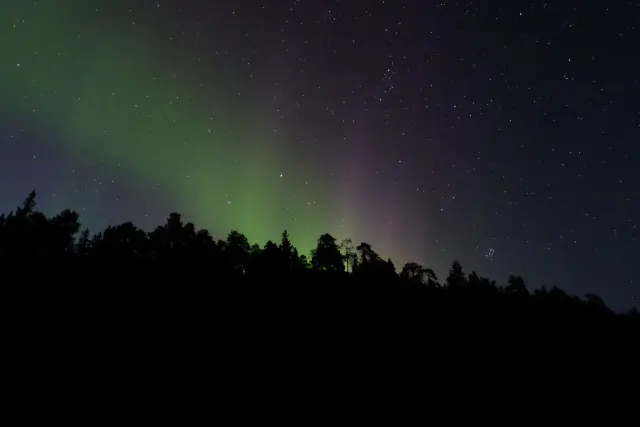
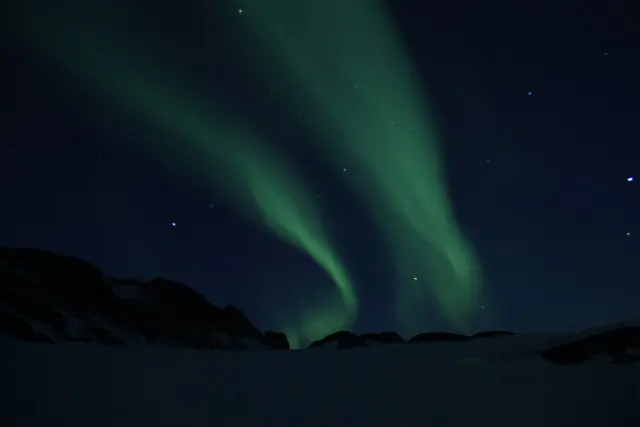
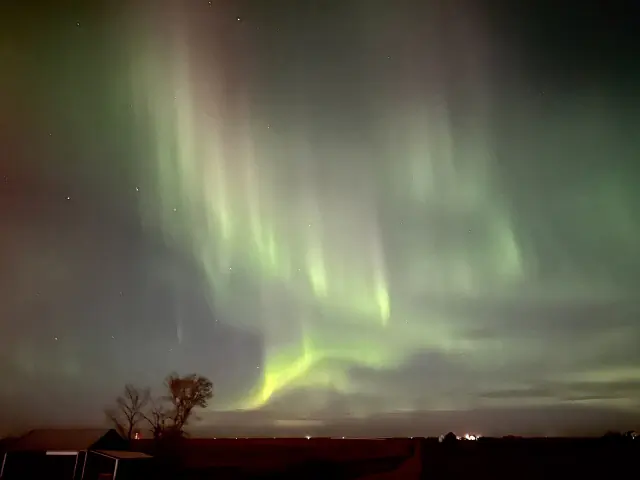
Beneath Aoraki — New Zealand's sacred highest peak — a Gold-tier Dark Sky Reserve provides one of the finest aurora australis settings on Earth, where the Southern Alps meet the southern lights.
Aurora Australis in New Zealand's Highest National Park
Aoraki/Mount Cook National Park at 43.6°S encompasses the highest peaks in New Zealand, including Aoraki (Mount Cook) at 3,724 meters — the country's tallest mountain and one of the most sacred peaks in Māori culture. The national park holds a Gold-tier Dark Sky Reserve designation, the highest dark sky rating available, confirming sky quality that rivals the world's finest observing locations.
The park's Aoraki Mackenzie International Dark Sky Reserve (shared with the Lake Tekapo region) covers an enormous area of the Mackenzie Basin and Southern Alps, with strict light management policies that have preserved extraordinary nighttime darkness. For aurora australis viewing, a KP index of 4 typically produces visible displays, and the southern lights appear against a backdrop of New Zealand's most spectacular alpine scenery — glaciers, moraines, braided rivers, and towering rock faces.
The Tasman Glacier, New Zealand's longest glacier at 23 km, provides a vast white surface that reflects aurora light in winter. The glacier's terminal lake, Tasman Lake, offers extraordinary foreground possibilities with icebergs calved from the glacier's face floating in dark water beneath the southern lights. Consult the aurora australis page to understand Southern Hemisphere aurora patterns before your visit.
Best Aurora Australis Viewing Spots at Mount Cook
The Hooker Valley Track — the park's most popular walk — leads through glacial moraines toward Hooker Lake and Hooker Glacier, with Aoraki towering above. At night during aurora events, this valley provides one of the most dramatic aurora compositions in New Zealand: southern lights above Aoraki's ice-capped summit. The track is accessible in evening hours with appropriate footwear and a head torch.
Tasman Lake, reached by the Tasman Valley Road, provides iceberg-strewn water as a unique foreground for aurora photography. The combination of floating ice, glacial water, and aurora overhead is as dramatic as anything in the Southern Hemisphere. The lake shore car park provides easy access for viewing and photography.
The Mount Cook Village at the head of the valley has minimal light pollution and provides direct viewing of the national park's dark skies. The Hermitage Hotel's Aoraki Observatory operates guided stargazing and aurora programs. Along State Highway 80 approaching Mount Cook, numerous pull-offs offer mountain valley views with southern sky access. Learn about the aurora australis forecast to plan your viewing nights, and our aurora photography guide for shooting at altitude.
When to Visit Mount Cook for the Aurora Australis
The aurora australis season at Mount Cook runs from March through September, matching the Southern Hemisphere's aurora season when nights are long enough for viewing. March and September align with the equinox periods, which are statistically the most geomagnetically active — an excellent time to visit for maximum aurora probability.
The Mackenzie Basin's inland, high-altitude climate produces considerably more clear nights than New Zealand's coastal regions. The basin sits in a rain shadow behind the Southern Alps, receiving substantially less precipitation than the West Coast or Christchurch. This climatic advantage means aurora windows here are more frequent and predictable than at coastal South Island locations.
Winter months (June-August) offer the longest nights — up to 14 hours of darkness at this latitude — but also the coldest conditions and potential for snow on roads. Temperatures at Mount Cook Village can reach -10°C to -15°C on winter nights. Spring and autumn (March-May, September-October) offer moderate temperatures with still-long nights and excellent aurora potential. See our best time to visit guide for detailed planning.
Getting to Mount Cook and Practical Information
Mount Cook Village is reached by road — approximately 220 km from Christchurch (CHC) and 260 km from Queenstown (ZQN) via State Highway 8 and then Highway 80. The drive from Christchurch takes about 3.5 hours through the Mackenzie Basin. There is no public transport directly to Mount Cook, so a hire car or tour operator is required.
Accommodation at Mount Cook Village is anchored by the historic Hermitage Hotel, a legendary mountain lodge with restaurant, bar, and the Aoraki Observatory. The Mount Cook YHA and Mount Cook Motel provide more budget-friendly options. All accommodation should be booked well in advance, especially during peak season (December-February and aurora-active months).
The national park charges no entry fee. Department of Conservation huts and campsites are available for overnight trampers. Wildlife includes kea (the alpine parrot) and chamois in the valleys. The Aoraki/Mount Cook Visitor Centre provides excellent information on conditions, tracks, and weather. Aurora chasers should download the aurora australis forecast app and monitor geomagnetic conditions from multiple nights before their visit.
Plan the trip
Getting to Aoraki/Mount Cook
Aurora trips need three things booked together: a flight into the right airport, somewhere dark to stay, and usually a car, because the sky you get is the sky above wherever you can drive to that night.
Compare flightsLive fares into Queenstown Airport (ZQN), the closest airport to Aoraki/Mount Cook.
Affiliate links. Booking through them costs you nothing extra and helps keep this site running.
Borealis App
Aurora forecasts, social feed & Hunter Ranks
Frequently Asked Questions
The Aoraki Mackenzie International Dark Sky Reserve is one of the world's largest dark sky reserves, covering about 4,300 square kilometers of the Mackenzie Basin including Mount Cook National Park and Lake Tekapo. It holds a Gold-tier designation — the highest rating from the International Dark-Sky Association — for its exceptional sky quality and light management.
Yes — the Hooker Valley Track is walkable at night and provides one of the most spectacular aurora compositions in New Zealand. Aoraki's ice-capped summit with southern lights above it is an iconic Southern Alps aurora image. Bring a head torch, wear appropriate footwear, and go on clear nights when KP is forecast at 4 or above.
Several tour operators run day trips from Queenstown, Christchurch, and Tekapo that can be customised for aurora viewing. Intercity buses serve the route but have limited timetables not suited for nighttime aurora chasing. A hire car provides the most flexibility for independent aurora viewing.
Tasman Lake with icebergs is arguably the most dramatic — aurora over floating ice is a unique combination found in very few places worldwide. Hooker Lake with Aoraki behind is equally iconic. The braided Tasman River beds near the lake access road also provide beautiful foreground textures.
Aurora australis is not visible during the New Zealand summer (December-February) due to extremely short nights — twilight lasts all night around the summer solstice. The aurora season runs from roughly mid-March through mid-September when nights are long enough for dark conditions.
Related Articles
Destination
Northern Lights in Lake Tekapo
Lake Tekapo sits at the heart of the Aoraki Mackenzie International Dark Sky Reserve, one of the largest dark sky reserv...
Destination
Northern Lights in Queenstown
Queenstown, New Zealand's adventure capital, offers the chance to witness the aurora australis above some of the most dr...
Destination
Northern Lights in Dunedin
Dunedin, the 'Edinburgh of the South,' is a cultured university city on New Zealand's South Island east coast. Its south...