Northern Lights Destination
Northern Lights in Stewart Island, New Zealand
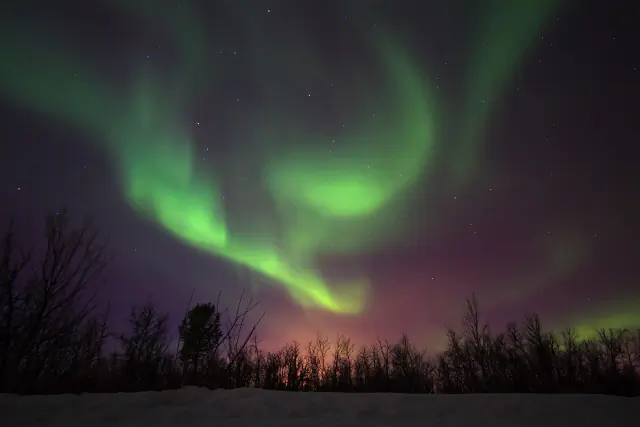
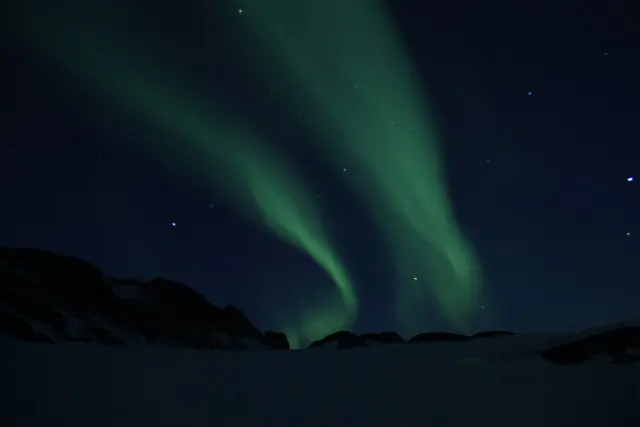
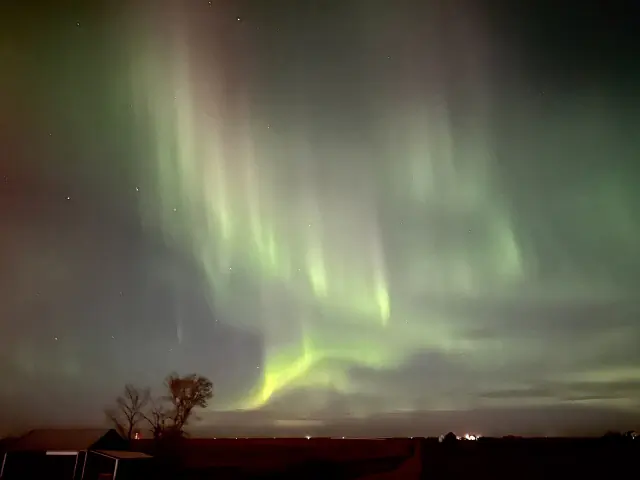
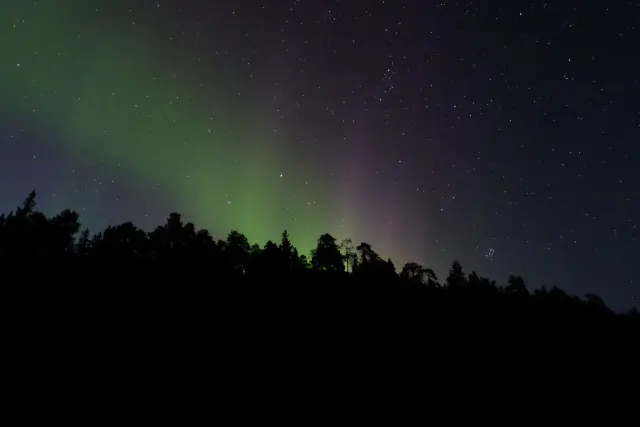
Stewart Island — Rakiura, 'land of the glowing skies' — is New Zealand's premier aurora australis destination, where Maori tradition and southern lights meet beneath the darkest skies in the country.
The Land of the Glowing Skies
Stewart Island at 46.90°S is New Zealand's southernmost inhabited island, and its Maori name Rakiura — meaning 'land of the glowing skies' — is a direct reference to the aurora australis that has been observed from here for centuries. This ancient connection between the island and the southern lights adds a profound cultural dimension to aurora viewing.
The island requires approximately a KP index of 4 for visible aurora, which occurs regularly during active solar periods. Stewart Island's location further south than the South Island mainland gives it a significant latitude advantage, and the total absence of light pollution means even moderate displays appear vivid and colorful.
Stewart Island's designation as a Dark Sky Sanctuary — the fifth in the world — recognizes its exceptional night sky quality. The island's tiny population (about 400 permanent residents) and surrounding ocean mean there are no competing light sources in any direction.
Best Aurora Viewing on Stewart Island
Lee Bay, a short walk from the settlement of Oban, provides a south-facing beach with unobstructed ocean views toward the aurora zone. The beach's dark conditions and natural shoreline setting make it the most popular aurora viewing location on the island.
Observation Rock offers an elevated viewpoint above Halfmoon Bay with panoramic views of the surrounding ocean and islands. Ackers Point, reached by a walking track, provides another dark coastal vantage point.
The Rakiura Track, one of New Zealand's Great Walks, passes through pristine coastal forest with several beach sections ideal for aurora viewing during overnight tramping (hiking) trips. Mason Bay on the island's remote west coast provides complete wilderness isolation under some of the darkest skies in the Southern Hemisphere.
Getting to Stewart Island
Stewart Island is reached by ferry from Bluff (1 hour) or by small aircraft from Invercargill (20 minutes). Stewart Island Flights operates between Invercargill and Ryan's Creek Aerodrome on the island. The ferry service runs year-round but can be affected by rough seas in the Foveaux Strait.
Accommodation in the village of Oban includes hotels, B&Bs, backpacker lodges, and self-catering houses. Stewart Island Lodge and Bay Motel are popular options. Dining options are limited but adequate, with fresh seafood a highlight.
The island's climate is cool maritime, with winter temperatures of 3°C to 10°C. Rain is frequent, but the island also experiences clear spells, particularly during southerly cold fronts that can both clear clouds and enhance aurora activity. Pack waterproof layers and warm clothing.
Plan the trip
Getting to Stewart Island
Aurora trips need three things booked together: a flight into the right airport, somewhere dark to stay, and usually a car, because the sky you get is the sky above wherever you can drive to that night.
Compare flightsLive fares into Invercargill Airport (IVC), the closest airport to Stewart Island.
Affiliate links. Booking through them costs you nothing extra and helps keep this site running.
Borealis App
Aurora forecasts, social feed & Hunter Ranks
Frequently Asked Questions
Rakiura is the Maori name for Stewart Island, meaning 'land of the glowing skies.' This name is believed to reference the aurora australis (southern lights) that has been observed from the island for centuries, making it one of the oldest known aurora viewing traditions in the Southern Hemisphere.
During active solar periods, the aurora australis is visible several times per month from Stewart Island's dark skies. During solar minimum, events are less frequent — perhaps 5-15 per year. The island's Dark Sky Sanctuary status and southern latitude maximize the visibility of any display.
The austral winter months (March through September) provide the darkest and longest nights. June through August offers the most darkness, while the equinox periods (March and September) often bring heightened geomagnetic activity. Any clear winter night with KP 4+ has potential.
Yes — accommodation is limited and books out during peak periods. Winter is quieter than the summer tramping season, but aurora tourism is growing. Book at least a few weeks in advance, especially for weekends and holiday periods.
Related Articles
Destination
Northern Lights in Invercargill
Invercargill is the southernmost city in New Zealand and one of the southernmost cities in the world. Its position at 46...
Destination
Northern Lights in Queenstown
Queenstown, New Zealand's adventure capital, offers the chance to witness the aurora australis above some of the most dr...
Destination
Northern Lights in Dunedin
Dunedin, the 'Edinburgh of the South,' is a cultured university city on New Zealand's South Island east coast. Its south...