Northern Lights Destination
Northern Lights in Scottish Highlands, Scotland
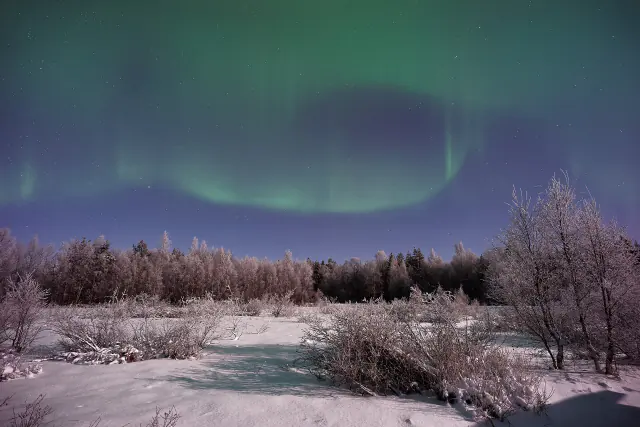
From Loch Ness to the far north coast, the Scottish Highlands sweep beneath the auroral zone — where ancient mountains, wild glens, and vast dark skies create Britain's most dramatic northern lights canvas.
The Scottish Highlands: Britain's Aurora Heartland
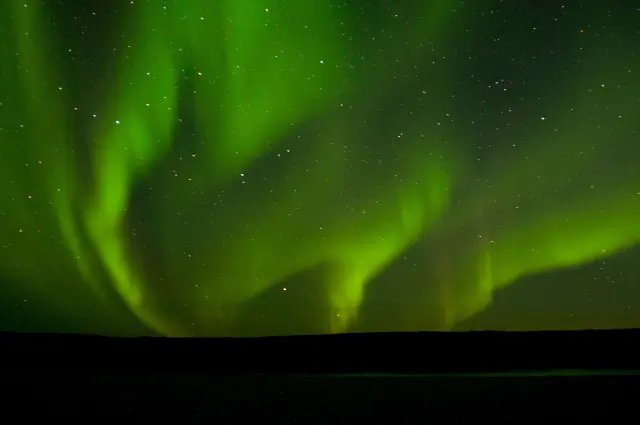
The Scottish Highlands — that magnificent arc of mountain and moorland stretching from the Cairngorms to the windswept north coast — represent the heart of British aurora country. At latitudes ranging from 57°N to 58.5°N, the region sits comparably to southern Alaska and central Scandinavia, and during strong geomagnetic events (KP 4 and above), the northern lights can sweep across the Highland sky in vivid green curtains.
The Highlands' defining advantage for aurora viewing is the sheer scale of the dark sky. Sparsely populated and largely unlit, Highland glens and moorlands offer skies that rival many dedicated dark sky reserves. The region encompasses some of Britain's most dramatic landscapes — the Great Glen following fault line from Fort William to Inverness, the Flow Country peatlands of Caithness and Sutherland (recently awarded UNESCO status), and the jagged peaks of the Northwest Highlands — all providing compelling foregrounds for aurora photography.
The North Coast 500 scenic route, which circles the northern Highlands, passes through some of the darkest communities in the UK. Villages like Tongue, Durness, and Scourie have virtually zero light pollution, and the route's dramatic coastal scenery — sea stacks, sandy beaches, and cliff-top views — creates aurora photography opportunities that are unique to Scotland. Use the aurora forecast to identify optimal nights during your Highland visit.
Best Aurora Viewing Spots in the Scottish Highlands
Caithness, Scotland's most northerly mainland county, offers Britain's best aurora viewing conditions. The county's flat, treeless Flow Country landscape provides completely unobstructed sky views, and villages like Thurso, Wick, and Duncansby Head (mainland Britain's most northeasterly point) all deliver excellent northern horizons over the North Sea. The Caithness Dark Sky Discovery Sites are designated viewing locations with good access and orientation.
Loch Ness, the famous home of Scotland's most enduring legend, cuts a long, dark corridor through the Great Glen below Ben Nevis. The loch's shores provide south-facing mountain views and north-facing open valley sky, and on active aurora nights, the combination of Scotland's most famous loch with northern lights overhead creates genuinely magical conditions. The Foyers waterfall area on the eastern shore is particularly photogenic.
The Beinn Eighe and Torridon area in the northwest provides ancient Torridonian sandstone mountains as aurora foreground. Glenfinnan Viaduct — made famous by the Harry Potter films — offers a historic Scottish engineering backdrop for aurora photography when conditions align. Further east, Cairn Gorm plateau above Aviemore provides high-altitude viewing on accessible mountain terrain. Link your Highland aurora adventures to our aurora photography guide for landscape composition tips.
When to Visit the Scottish Highlands for the Northern Lights
The Highland aurora season runs from September through March, with the long summer nights making aurora viewing impossible from May through July. September is particularly beloved — the heather moorlands are purple with bloom, temperatures remain tolerable, and darkness returns after the summer. The autumn equinox (late September) statistically brings elevated geomagnetic activity.
The deep winter months of November through February deliver up to 18 hours of darkness, maximizing the potential viewing window. Highland weather in winter is challenging — expect frequent cloud, rain, and wind. The art of Highland aurora chasing involves monitoring both the KP index and the weather forecast simultaneously, and being willing to drive across the region to find clear patches between weather fronts.
Clear, cold high-pressure periods, which typically arrive from the north or northeast in winter, produce the best Highland aurora conditions. These anticyclonic spells bring crystal-clear skies, frost, and exceptional atmospheric transparency — ideal conditions for both aurora visibility and photography. March combines increasing equinox solar activity with improving weather odds. Consult our best time to visit page for detailed seasonal analysis.
Getting Around the Scottish Highlands for Aurora
Inverness Airport (INV) is the primary gateway, with regular flights from London (1.5 hours), Edinburgh, and other UK cities, plus some seasonal European routes. Edinburgh Airport offers more international connections, with Inverness about 2.5 to 3 hours north by road. A hire car is absolutely essential for Highland aurora chasing — public transport is limited, and the best viewing locations require the flexibility to follow clear skies wherever they appear.
Accommodation across the Highlands ranges from luxury country house hotels to traditional stone-built B&Bs and self-catering cottages. The North Coast 500 route has excellent accommodation infrastructure, though booking well in advance is recommended at any time of year. In the remoter north — Caithness, Sutherland, and the Northwest Highlands — facilities are more limited, so plan ahead.
Driving on Highland roads requires experience with single-track roads, passing places, and wildlife crossings (red deer are particularly active at night). Always carry warm clothing, an emergency kit, and a torch. Mobile signal can be non-existent in remote glens. The AuroraWatch UK service provides real-time alerts calibrated for UK latitudes and is an invaluable resource for Highland aurora chasers.
Plan the trip
Getting to Scottish Highlands
Aurora trips need three things booked together: a flight into the right airport, somewhere dark to stay, and usually a car, because the sky you get is the sky above wherever you can drive to that night.
Compare flightsLive fares into Inverness Airport (INV), the closest airport to Scottish Highlands.
Affiliate links. Booking through them costs you nothing extra and helps keep this site running.
Borealis App
Aurora forecasts, social feed & Hunter Ranks
Frequently Asked Questions
Caithness, Scotland's most northerly mainland county, generally offers the best conditions — flat terrain, minimal light pollution, and the most northerly latitude on the mainland. Sutherland and the Northwest Highlands are also exceptional. The Cairngorms and Speyside provide reliable viewing further south.
During solar maximum years, visible aurora occurs several times per month in the Highlands. During quieter solar periods, events may number fewer than 20 per year. The key is monitoring KP index alerts — when KP reaches 4 or above and skies are clear, the Highland aurora season delivers.
Absolutely — the North Coast 500 is one of the best aurora driving routes in the UK. The route passes through some of the darkest communities in Scotland, and the coastal scenery provides extraordinary foreground variety. Plan your route to incorporate the darkest sections (Caithness, Sutherland coast) for optimal viewing.
AuroraWatch UK is a free service operated by Lancaster University that monitors magnetic field disturbances and issues color-coded alerts indicating the likelihood of aurora visible from the UK. It is calibrated for British latitudes and is considered the most reliable aurora alert tool for Scottish viewers.
Yes, with appropriate preparation. Many Highland roads are single-track with passing places — drive slowly, use headlights, and be alert for deer crossing. Always carry emergency supplies, a fully charged phone, and a paper map as signal can be absent in remote glens. Inform someone of your plans before heading out.
Related Articles
Destination
Northern Lights in Cairngorms
The Cairngorms National Park in the Scottish Highlands is Britain's largest national park and one of the best places in ...
Destination
Northern Lights in Caithness
Caithness, at the northeastern tip of the Scottish mainland, offers excellent aurora viewing from Britain's most norther...
Destination
Northern Lights in Orkney
The Orkney Islands, lying just off Scotland's northeast tip, are among the best places in the UK to see the northern lig...