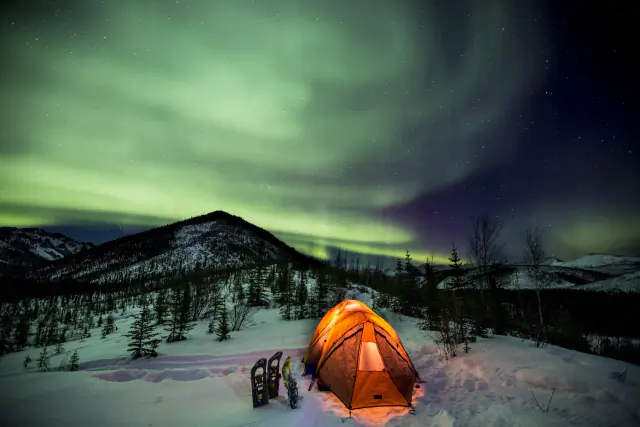
Northern Lights Destination
Northern Lights in Shetland, Scotland
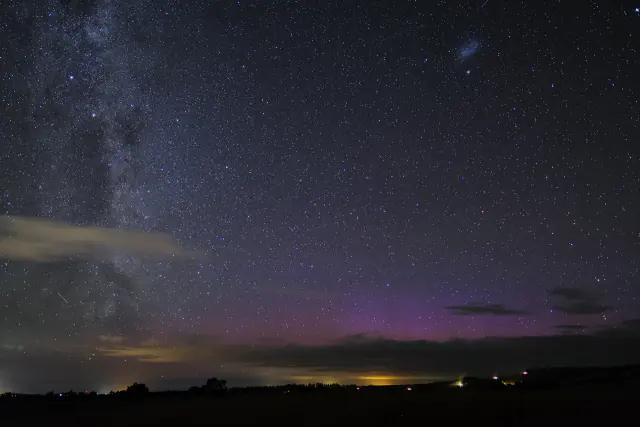
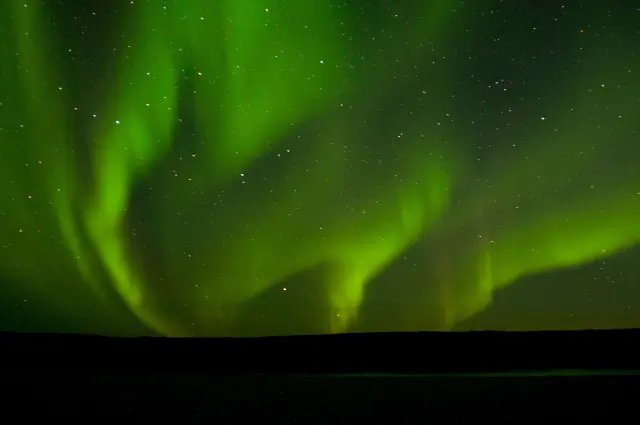
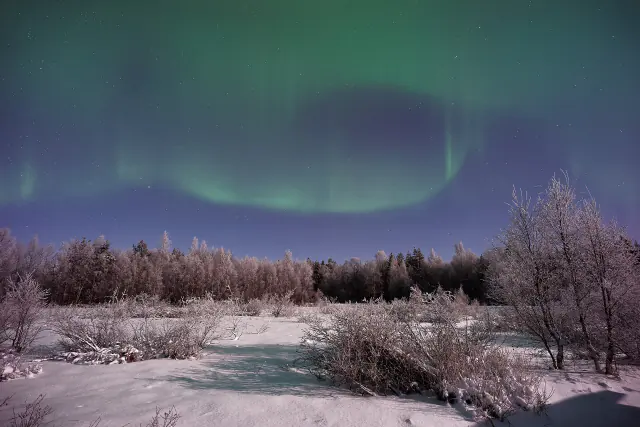
Shetland is the crown jewel of British aurora viewing — at 60°N, these remote islands offer the UK's most frequent and vivid northern lights, known locally as the 'Mirrie Dancers.'
The Mirrie Dancers: Aurora in Britain's Far North
Shetland at 60.39°N is the most northerly point in the United Kingdom, sitting at the same latitude as Bergen, Norway, and southern Greenland. This position gives Shetland a significant advantage over all other British locations for aurora viewing, with a KP index of 4 sufficient for visible displays.
The aurora is so familiar in Shetland that it has its own local name — the Mirrie Dancers. This Scots dialect term reflects the long cultural relationship between Shetlanders and the northern lights, which have been observed from these islands for centuries. The name evokes the dancing, flickering movement of the aurora across the sky.
Shetland's extreme remoteness and tiny population (22,000 across 100+ islands) mean light pollution is minimal. Even from the main town of Lerwick, aurora is regularly visible, and stepping just a few minutes from the town center reaches essentially pristine dark-sky conditions.
Where to See the Mirrie Dancers on Shetland
Sumburgh Head at the southern tip of the Shetland Mainland provides a dramatic cliff-top viewpoint with the historic Sumburgh Lighthouse as foreground. The headland faces south and east, providing wide horizon views ideal for catching aurora that extends across the sky.
Eshaness on the northwest coast offers some of the most dramatic coastal scenery in Britain — volcanic sea cliffs and stacks that become extraordinary subjects under aurora light. The Eshaness Lighthouse adds an iconic element to aurora compositions.
St Ninian's Isle, connected to the mainland by the UK's finest tombolo (sand bar), provides a unique setting where the aurora reflects in the sea on both sides of the narrow land bridge. Unst, the most northerly inhabited island in Britain, offers the closest latitude to the auroral zone and some of the darkest skies in the archipelago.
The Out Skerries and Fair Isle (between Shetland and Orkney) offer extremely remote viewing for the most adventurous aurora hunters.
Getting to Shetland and Travel Tips
Shetland is accessible by air from Edinburgh, Glasgow, Aberdeen, and Inverness via Loganair (1-2 hour flights). NorthLink Ferries operate an overnight service from Aberdeen to Lerwick (12 hours), which is an experience in itself, particularly if the aurora appears during the crossing.
Accommodation includes hotels, B&Bs, and self-catering properties. Lerwick is the main town with restaurants, shops, and services. Winter accommodation is generally easier to find than summer (which is peak season for birdwatchers and cruise ships).
Shetland winters are windy and wet but surprisingly mild (3°C to 7°C) thanks to the Gulf Stream. Wind is the dominant weather feature, with gales common. Waterproof, windproof clothing is essential. The islands are well-connected by roads and inter-island ferries, making it possible to explore multiple viewing locations in a single evening.
Plan the trip
Getting to Shetland
Aurora trips need three things booked together: a flight into the right airport, somewhere dark to stay, and usually a car, because the sky you get is the sky above wherever you can drive to that night.
Compare flightsLive fares into Sumburgh Airport (LSI), the closest airport to Shetland.
Affiliate links. Booking through them costs you nothing extra and helps keep this site running.
Borealis App
Aurora forecasts, social feed & Hunter Ranks
Frequently Asked Questions
Yes, Shetland at 60°N is the best location in the United Kingdom for aurora viewing. Its higher latitude means aurora is visible at lower KP levels and more frequently than anywhere else in Britain. The dark skies and dramatic coastal scenery enhance the experience significantly.
The Mirrie Dancers is the traditional Shetland dialect name for the northern lights. The term has been used for centuries and reflects the deep cultural familiarity Shetlanders have with the aurora. 'Mirrie' relates to merriment, describing the lights' dancing movement across the sky.
Fly from Edinburgh, Glasgow, Aberdeen, or Inverness via Loganair (1-2 hours). Alternatively, take the NorthLink overnight ferry from Aberdeen to Lerwick (12 hours). The ferry is an adventure and offers the chance to see aurora from the open sea if conditions cooperate.
October through March offers the best aurora viewing, with December and January providing the longest nights. The equinox periods (late September and late March) have the highest geomagnetic activity. Shetland's Up Helly Aa fire festival in late January adds a cultural highlight to winter visits.
Related Articles
Destination
Northern Lights in Orkney
The Orkney Islands, lying just off Scotland's northeast tip, are among the best places in the UK to see the northern lig...
Destination
Northern Lights in Caithness
Caithness, at the northeastern tip of the Scottish mainland, offers excellent aurora viewing from Britain's most norther...
Destination
Northern Lights in Faroe Islands
The Faroe Islands, a self-governing territory of Denmark in the North Atlantic between Scotland and Iceland, offer drama...