Northern Lights Destination
Northern Lights in Ostersund, Sweden
Östersund is where Swedish Lapland begins - an accessible city on the shores of Lake Storsjön that serves as a comfortable gateway to aurora country with its own northern lights opportunities.
Östersund: Gateway to Swedish Aurora Country
Östersund (population ~50,000) is the largest city in Jämtland County and the natural gateway to Swedish Lapland from the south. Located at 63.18°N on the western shore of Lake Storsjön - a large, deep lake with its own legendary monster (Storsjöodjuret, Sweden's answer to the Loch Ness Monster) - the city combines the amenities of a proper urban center with proximity to the wild northern landscapes.
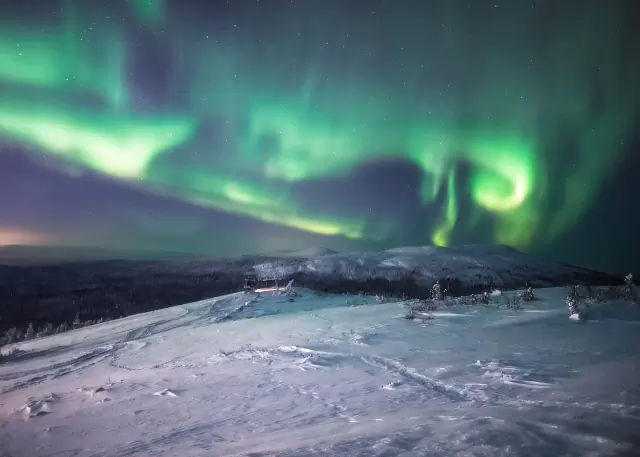
As an aurora destination, Östersund sits at the southern margin of reliable viewing. With a KP index of 4 needed for regular visibility, it sees fewer displays than northern Lapland. However, during active periods, especially around the equinoxes, aurora can appear clearly over the lake. The city's moderate light pollution means heading to the lake shores or countryside produces much better results than staying in town.
Östersund's strength is its infrastructure and cultural offering. The city has excellent restaurants, museums including the nationally significant Jamtli open-air museum, a major railway connection, and a well-serviced airport. It's an ideal base for those who want comfortable urban amenities while making day trips into the darker aurora zone further north. Check the aurora forecast and be ready to drive north or to the lake when conditions activate.
Aurora Viewing Near Östersund
Frösön Island: The island in Lake Storsjön, reached by bridge from the city center, offers darker conditions with views across the open lake. The old church and prehistoric runestone on Frösön provide atmospheric foreground elements for aurora photography.
Lake Storsjön Eastern Shore: Driving or cycling around the eastern shore of the lake takes you progressively further from Östersund's light dome. Several beach and bay access points along the eastern road provide good viewing conditions.
Handöl and Åre Area: Driving about 70 km west toward Åre, the landscape opens into mountain terrain with much darker skies. The Åre ski resort area provides elevated viewing with mountain backdrops, and the villages along Route 79 offer numerous dark-sky stops.
Bergsjön: A lake about 30 km north of Östersund with minimal nearby development. The access road leads to a peaceful dark-sky location with open lake views and minimal light pollution interference from the city.
Aurora Season in Östersund
Östersund's aurora season effectively runs from October through March, with the strongest probability during active geomagnetic periods:
October-November: Longer nights and the first cold spells. Lake Storsjön typically doesn't freeze until January, providing liquid reflections for autumn aurora. Strong geomagnetic storms during these months (especially around the October equinox) can produce impressive displays even at this latitude.
December-January: The darkest months with snow covering the landscape. Lake Storsjön freezes by January most years, creating an ice platform for aurora viewing. The city's cultural calendar is active with Christmas events and winter activities.
February-March: Often the best aurora months at Östersund's latitude due to the spring equinox effect. Statistically more geomagnetic storms reach this latitude during March. Combined with winter activities in the mountains and the city's dining scene, this is the recommended period. See our solar activity guide.
Getting to and Around Östersund
Getting There: Östersund Airport (OSD) has regular SAS, Norwegian, and BRA flights from Stockholm, Gothenburg, and other Swedish cities. The train from Stockholm takes about 5-6 hours via Sundsvall. From Stockholm or Gothenburg, Östersund is the logical overnight stop before continuing north by train to Kiruna, Gällivare, or Luleå.
Day Trips North: From Östersund, you can day-trip to significantly darker and more active aurora locations. Åre (70 km west, ski resort with mountain elevation) is excellent. Driving north on Route 45 toward Strömsund and Vilhelmina increases your latitude and therefore aurora probability. With a car and flexible schedule, Östersund's central location becomes an advantage.
Jamtli Open-Air Museum: One of Sweden's most engaging open-air museums, Jamtli features historical buildings spanning centuries of Jämtland life. In winter, the museum operates special events and evening programs that provide cultural enrichment alongside aurora watching.
Åre Ski Resort: Sweden's premier ski resort is 70 km west of Östersund. Many visitors base themselves in Östersund for its amenities and make daily ski trips to Åre, returning for dinner and potential aurora viewing over the lake in the evening. The combination of major resort skiing and affordable urban accommodation is a practical advantage.
Plan the trip
Getting to Ostersund
Aurora trips need three things booked together: a flight into the right airport, somewhere dark to stay, and usually a car, because the sky you get is the sky above wherever you can drive to that night.
Compare flightsLive fares into Ostersund Airport (OSD), the closest airport to Ostersund.
Affiliate links. Booking through them costs you nothing extra and helps keep this site running.
Borealis App
Aurora forecasts, social feed & Hunter Ranks
Frequently Asked Questions
Yes, but Östersund at 63.18°N sits near the southern limit of regular aurora viewing. A KP index of 4 is typically needed. During strong geomagnetic storms and equinox periods, aurora can be impressive. For more reliable viewing, drive north to Åre, Vilhelmina, or beyond. Östersund is better used as a comfortable base than a primary aurora destination.
Yes, Östersund's airport connections and hotel infrastructure make it an excellent gateway. From here you can reach Åre ski resort (70 km west), Vilhelmina (3 hours north), and Gällivare/Luleå (4-5 hours north). The city's own cultural scene (Jamtli museum, restaurants, winter events) provides entertainment when aurora conditions are poor.
Storsjöodjuret is Sweden's most famous lake monster, supposedly inhabiting the deep waters of Lake Storsjön since the first written reports in 1635. The creature has been described variously as serpentine, whale-like, and dog-headed. While no scientific evidence exists, the legend is embraced by Östersund, and the creature appears on the city's coat of arms. It adds local character to aurora lakeside viewing.
Frösön island (accessible by bridge) offers the best combination of city proximity and reduced light pollution, with views across Lake Storsjön. For better conditions, drive 30+ km to countryside lakes. The eastern shore of Lake Storsjön progressively darkens as you move away from the city, providing multiple stopping points.
Related Articles
Destination
Northern Lights in Arvidsjaur
Arvidsjaur is a small inland Lapland town known for its Sami church town and winter car testing industry. The surroundin...
Destination
Northern Lights in Umea
Umea is a vibrant university city in northern Sweden that was the 2014 European Capital of Culture. At 63°N, it offers o...
Destination
Northern Lights in Hemavan
Hemavan is a mountain village at the southern terminus of the Kungsleden hiking trail. Surrounded by dramatic mountain s...