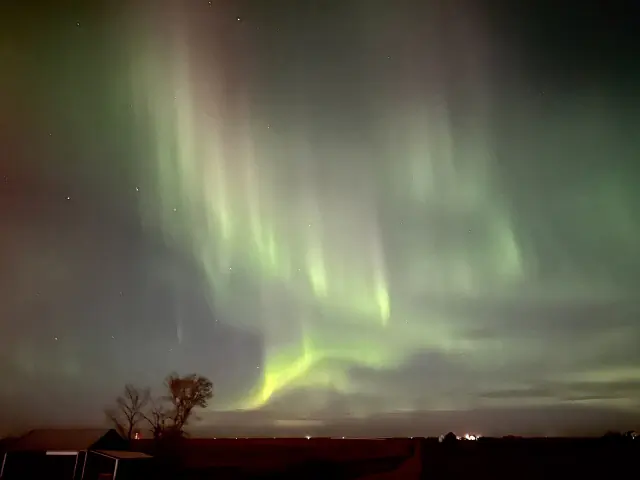
Northern Lights Destination
Northern Lights in Valdez, Alaska
Valdez brings together glaciers, mountains, and ocean under aurora-lit skies — Prince William Sound's most dramatic setting for experiencing Alaska's northern lights.
Aurora Over Prince William Sound
Valdez at 61.13°N requires a KP index of 3 for visible aurora, placing it in a favorable zone for regular displays. The town sits at the head of a long fjord surrounded by towering Chugach Mountains draped in glaciers, creating one of the most spectacular natural amphitheaters for aurora viewing in North America.
Like Juneau, Valdez faces the challenge of coastal weather. Prince William Sound receives heavy precipitation, and cloud cover can be persistent. However, Valdez benefits from periods of cold, dry air flowing down from the interior, particularly in late winter, which can produce stretches of clear sky perfect for aurora viewing.
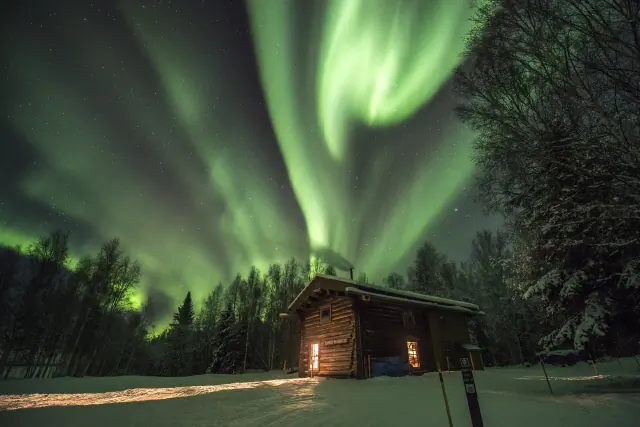
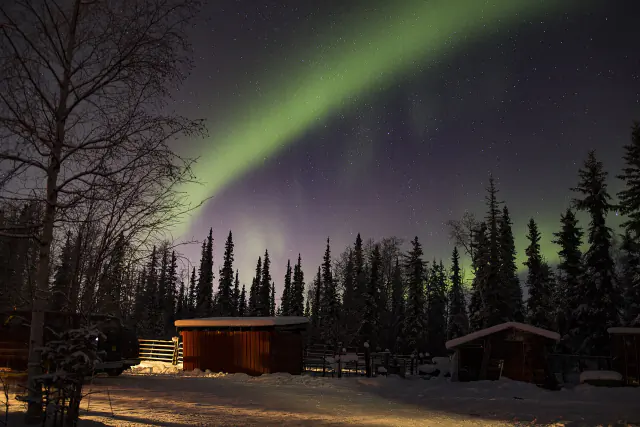
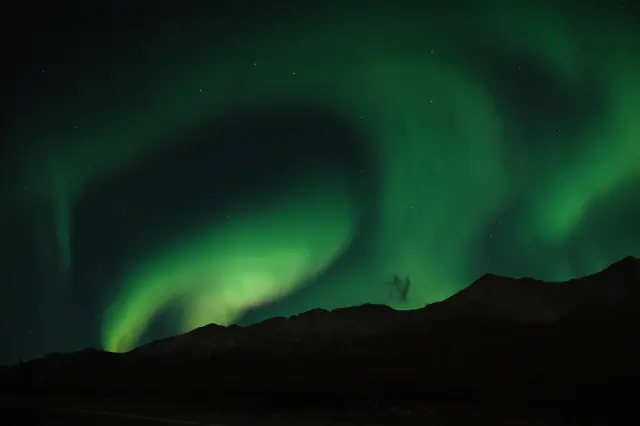
When the aurora appears above Valdez, the scenery is unmatched — green and purple curtains above glaciated peaks, reflected in the dark waters of the sound. The Worthington Glacier, Columbia Glacier, and countless waterfalls frozen into ice create foregrounds that make every aurora photo a masterpiece.
Best Viewing Spots Near Valdez
Thompson Pass, on the Richardson Highway 26 miles north of Valdez, provides elevated views above the coastal clouds. At 2,678 feet, the pass frequently sits above the cloud layer that blankets the town, and the surrounding peaks create a dramatic alpine setting for aurora photography.
The Valdez small boat harbor offers accessible waterfront viewing with fishing boats and the sound providing foreground interest. Mineral Creek Road leads into a canyon with dark conditions and mountain frames. Dayville Road east of town follows the shore of Port Valdez with open water views.
For the most remote experience, Shoup Bay — accessible by water or trail — provides complete wilderness immersion with glaciers and old-growth forest as your aurora backdrop.
Getting to Valdez and Planning Tips
Valdez is accessible by the Richardson Highway from Fairbanks (6 hours) or Anchorage (5.5 hours via Glennallen), or by Alaska Marine Highway ferry from Whittier and Cordova. Ravn Alaska operates small aircraft from Anchorage. The drive along the Richardson Highway through Thompson Pass is itself one of Alaska's great scenic drives.
The town has a modest selection of hotels, B&Bs, and vacation rentals. Winter is quiet season, so availability is usually good but some businesses close. Restaurants are limited but adequate. A car is essential for reaching viewing locations, especially Thompson Pass.
Valdez winters are snowy — the town averages over 300 inches annually, making it one of the snowiest cities in the US. Temperatures are milder than interior Alaska (-5°C to -15°C) due to the coastal influence. Snow management is excellent, but winter driving requires caution, especially on Thompson Pass.
Plan the trip
Getting to Valdez
Aurora trips need three things booked together: a flight into the right airport, somewhere dark to stay, and usually a car, because the sky you get is the sky above wherever you can drive to that night.
Compare flightsLive fares into Valdez Airport (VAZ), the closest airport to Valdez.
Affiliate links. Booking through them costs you nothing extra and helps keep this site running.
Borealis App
Aurora forecasts, social feed & Hunter Ranks
Frequently Asked Questions
Valdez's coastal location means more cloud cover than interior Alaska. However, cold interior air masses can bring clear spells, especially in February and March. Thompson Pass above town frequently clears when the town is clouded over. Plan for flexibility and monitor multiple weather sources.
Yes, the Richardson Highway over Thompson Pass is maintained year-round, though avalanche closures occasionally occur after heavy snow. The drive from Valdez takes about 30 minutes. The pass provides excellent elevated viewing above coastal clouds and is Valdez's best aurora viewing location.
Absolutely. Valdez offers world-class heli-skiing, ice climbing on frozen waterfalls, glacier excursions, and cross-country skiing. Winter is also a good time for wildlife viewing — sea otters, eagles, and marine mammals are present in Prince William Sound year-round.
Fairbanks is far more reliable due to its interior climate and higher latitude. Valdez offers a completely different aesthetic — coastal scenery, glaciers, and ocean instead of boreal forest and flat terrain. For photographers seeking unique aurora backdrops, Valdez's scenery is worth the weather gamble.
Related Articles
Destination
Northern Lights in Anchorage
Anchorage, Alaska's largest city, offers aurora viewing opportunities that surprise many visitors. While not as far nort...
Destination
Northern Lights in Fairbanks
Fairbanks is the undisputed aurora capital of the United States. Located in interior Alaska at nearly 65°N, this city si...
Destination
Northern Lights in Talkeetna
Talkeetna, a charming small town at the base of the Alaska Range, offers aurora viewing with the chance of North America...