Northern Lights Destination
Northern Lights in Tierra del Fuego, Argentina
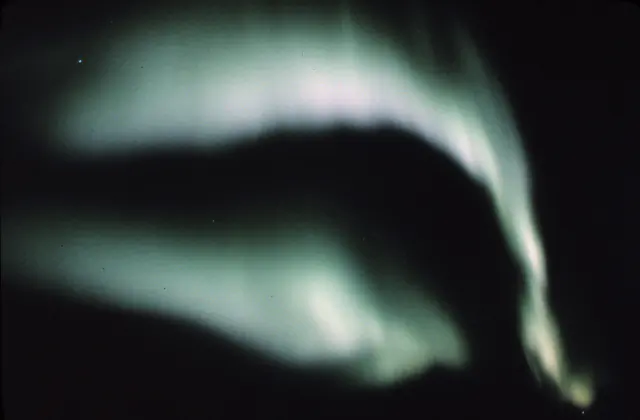
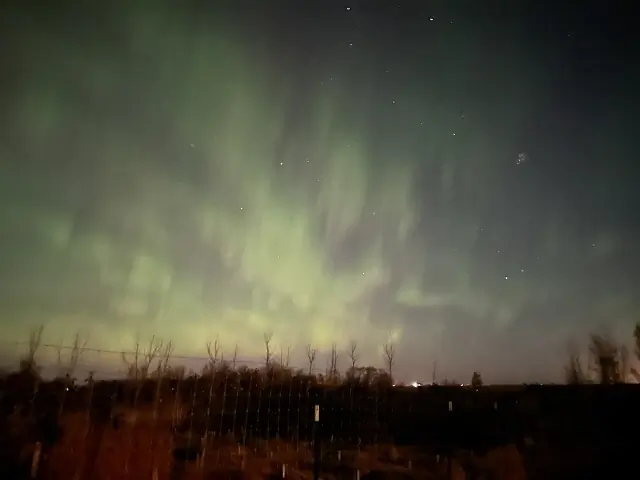
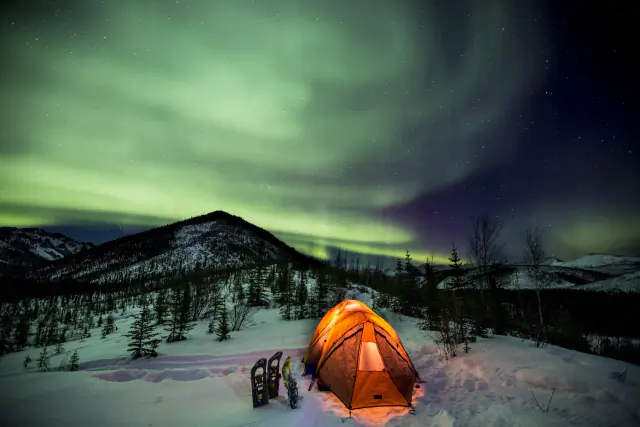
Tierra del Fuego — the Land of Fire — earns its name anew when the aurora australis sets the sky ablaze above this remote archipelago at the southern tip of the Americas.
Aurora Australis in the Land of Fire
Tierra del Fuego at 54.35°S occupies the southernmost tip of South America, separated from the mainland by the Strait of Magellan. The archipelago's name — meaning 'Land of Fire' — was given by early European explorers who saw fires lit by indigenous people along the coast. Today, the name takes on new meaning when the aurora australis illuminates the sky above.
With a KP index of 3 sufficient for visible aurora, Tierra del Fuego sees southern lights relatively frequently during active solar periods. The combination of extreme southern latitude, minimal population, and vast wilderness areas provides pristine dark-sky conditions across much of the archipelago.
The landscape ranges from dense beech forests in the south to windswept steppe in the north, with the Andes mountains running through the center. This diversity means aurora viewing here comes with constantly changing and dramatic foreground elements.
Where to View Aurora in Tierra del Fuego
Tierra del Fuego National Park, just west of Ushuaia, provides the most accessible dark-sky viewing. The park's trails along the Beagle Channel and through lenga beech forest offer atmospheric settings. Lapataia Bay, the end of Route 3 (the Pan-American Highway), marks the final accessible point of the Americas.
Lago Fagnano, a massive glacial lake in the center of the island, provides remote viewing with mountain surroundings. The shores of Lago Escondido and the Paso Garibaldi area offer elevated viewpoints along Route 3 between Ushuaia and the northern coast.
The Atlantic coast at Estancia Harberton (the oldest estancia in Tierra del Fuego) provides east-facing ocean views. The Beagle Channel shoreline throughout the region offers south-facing positions with Antarctic-oriented horizons.
Visiting Tierra del Fuego
The primary gateway is Ushuaia, accessible by air from Buenos Aires. The northern town of Rio Grande also has an airport. Route 3 connects the two towns (about 3 hours), passing through diverse landscapes and providing aurora viewing opportunities along the way.
Accommodation is concentrated in Ushuaia, with estancias, lodges, and cabins scattered throughout the island. Remote accommodation provides the darkest viewing conditions but requires advance booking and often 4WD access.
Winter conditions are challenging but manageable (-5°C to 5°C) with strong winds, rain, and snow. The dense beech forests provide natural wind shelter for viewing. Days are very short in June-July, and the isolation can feel intense — which for many visitors is precisely the appeal.
Plan the trip
Getting to Tierra del Fuego
Aurora trips need three things booked together: a flight into the right airport, somewhere dark to stay, and usually a car, because the sky you get is the sky above wherever you can drive to that night.
Compare flightsLive fares into Ushuaia International Airport (USH), the closest airport to Tierra del Fuego.
Affiliate links. Booking through them costs you nothing extra and helps keep this site running.
Borealis App
Aurora forecasts, social feed & Hunter Ranks
Frequently Asked Questions
Tierra del Fuego is the archipelago (island group) at South America's tip. Ushuaia is the main city on the island, located on the southern coast. You can view aurora from many locations across Tierra del Fuego, with Ushuaia serving as the primary base for accommodation and services.
Yes, Route 3 between Ushuaia and Rio Grande is maintained year-round. Flights operate daily from Buenos Aires to Ushuaia. Some secondary roads may be impassable in winter. The national park and main tourist infrastructure remain accessible.
Outside of Ushuaia and Rio Grande, skies are extremely dark. The sparse population and vast wilderness areas mean light pollution is negligible across most of the island. The national park and rural estancias provide conditions comparable to the world's best dark-sky sites.
Penguin colonies exist on Tierra del Fuego (particularly Magellanic penguins), but they're most active in summer when aurora viewing isn't possible. In winter aurora season, penguins are at sea. However, other wildlife — guanacos, condors, and marine mammals — is present year-round.
Related Articles
Destination
Northern Lights in Ushuaia
Ushuaia, the southernmost city in the world, sits at the tip of South America on the Beagle Channel. Known as 'El Fin de...
Destination
Northern Lights in El Calafate
El Calafate, gateway to Los Glaciares National Park and the famous Perito Moreno Glacier, offers aurora australis viewin...
Destination
Northern Lights in Tierra del Fuego
Tierra del Fuego, the 'Land of Fire' at the southern tip of South America, offers aurora australis viewing from one of t...