Northern Lights Destination
Northern Lights in Ushuaia, Argentina
At the end of the world, Ushuaia offers South America's best aurora australis — where the Beagle Channel, snow-capped Andes, and the southern lights converge at 55° South.
Aurora Australis at the End of the World
Ushuaia at 54.80°S is the southernmost city in the world, sitting at the southern tip of South America on the island of Tierra del Fuego. This extreme southern latitude gives it the best aurora australis viewing in all of the Americas — significantly further south than any location in New Zealand.
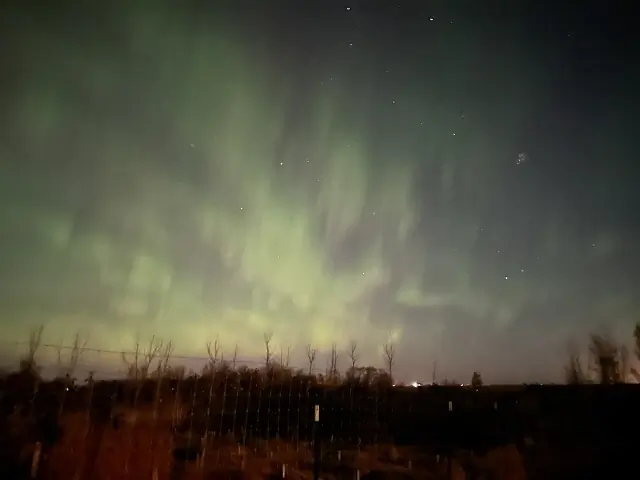
The city requires approximately a KP index of 3 for visible aurora australis, which occurs regularly during active solar periods. Strong geomagnetic storms can produce vivid displays with green, purple, and red hues visible above the Beagle Channel and the surrounding Martial Mountains.
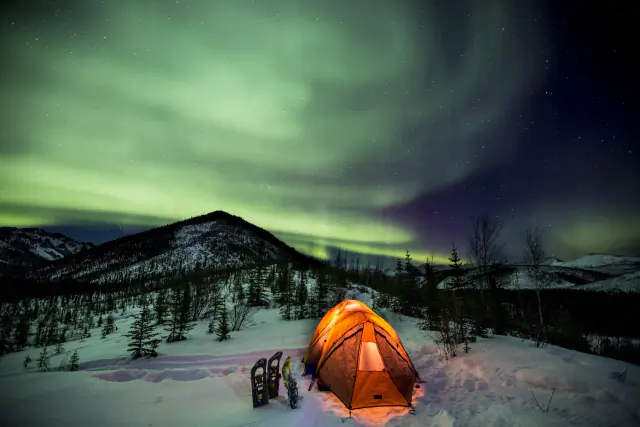
The setting is extraordinary — snow-capped Andes peaks, glacial fjords, and dense beech forests provide foregrounds that make Ushuaia one of the most dramatic aurora destinations in the Southern Hemisphere. The combination of extreme geography and southern lights creates an experience that feels genuinely like the edge of the world.
Best Aurora Viewing Spots Near Ushuaia
The Beagle Channel coastline east and west of the city provides south-facing views across the water toward Antarctica. The channel's dark waters reflect aurora light beautifully, and the mountains of Chile's Navarino Island provide a dramatic distant backdrop.
Glaciar Martial, accessible by road above the city, provides an elevated viewpoint at approximately 1,050 meters. The ski area at the base of the glacier offers clear southern views above the city's light dome. Lago Escondido and Lago Fagnano on Route 3 provide remote lakeside viewing about an hour north of the city.
Tierra del Fuego National Park, just west of Ushuaia, offers dark conditions along the Beagle Channel with native lenga forest as foreground. The Ensenada Bay area within the park is particularly photogenic with its shoreline views.
Getting to Ushuaia and Practical Tips
Ushuaia Airport (USH) receives daily flights from Buenos Aires (approximately 3.5 hours) via Aerolineas Argentinas, LATAM, and other carriers. Some seasonal flights connect to El Calafate and other Patagonian cities.
Despite its remote location, Ushuaia is a well-developed tourist city serving as a gateway for Antarctica cruises. Hotels range from luxury resorts like Arakur to budget hostels, with excellent restaurants serving Patagonian cuisine including king crab, lamb, and local craft beer.
Ushuaia winters (June-August) are cold but not extreme (-2°C to 5°C), with frequent snow and wind. Days are very short (about 7 hours of daylight in June), providing long nights for aurora viewing. The city's winter tourism infrastructure (skiing at Cerro Castor, winter excursions) means facilities remain open year-round.
Plan the trip
Getting to Ushuaia
Aurora trips need three things booked together: a flight into the right airport, somewhere dark to stay, and usually a car, because the sky you get is the sky above wherever you can drive to that night.
Compare flightsLive fares into Ushuaia International Airport (USH), the closest airport to Ushuaia.
Affiliate links. Booking through them costs you nothing extra and helps keep this site running.
Borealis App
Aurora forecasts, social feed & Hunter Ranks
Frequently Asked Questions
Ushuaia is the best city in the world for aurora australis — at 55°S, it's further south than any New Zealand or Australian city. However, Stewart Island and Tasmania see aurora more frequently because they're closer to the southern auroral oval's center. Ushuaia's advantage is its extreme latitude and dramatic Patagonian setting.
During active solar periods, aurora is visible perhaps 10-20 times per year from dark locations. Strong displays with vivid color occur several times per year during solar maximum. The KP 3 threshold means Ushuaia sees aurora more frequently than most Southern Hemisphere locations.
The austral winter (April-September) provides the longest and darkest nights. June-July offers the most darkness with 17+ hours of night. The equinox periods (March and September) bring heightened geomagnetic activity. September combines returning daylight with aurora potential.
Aurora season (winter) and Antarctica cruise season (summer) unfortunately don't overlap — cruises run November through March when nights are too short for aurora. However, visiting in the shoulder months (March-April or September-October) can combine late-season cruises with early/late aurora season.
Related Articles
Destination
Northern Lights in El Calafate
El Calafate, gateway to Los Glaciares National Park and the famous Perito Moreno Glacier, offers aurora australis viewin...
Destination
Northern Lights in Tierra del Fuego
Tierra del Fuego, the 'Land of Fire' at the southern tip of South America, offers aurora australis viewing from one of t...
Destination
Northern Lights in Ushuaia
Ushuaia, the southernmost city in the world, sits at the tip of South America on the Beagle Channel. Known as 'El Fin de...