Northern Lights Destination
Northern Lights in Bruny Island, Australia
Bruny Island sits south of Tasmania's coast, extending into Bass Strait toward Antarctica — its dark skies and dramatic coastline create one of Australia's finest aurora australis viewing platforms.
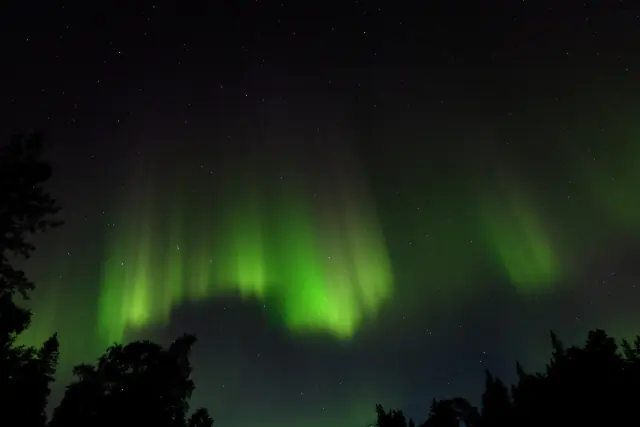
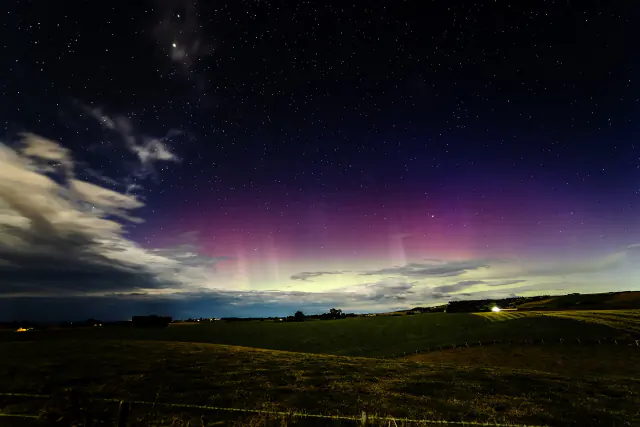
Aurora from Bruny Island
Bruny Island at 43.36°S extends south of the Tasmanian mainland, providing a latitude advantage for aurora viewing. The island requires approximately a KP index of 4 for visible aurora — among the lowest thresholds in Australia.
With a permanent population of only about 800, light pollution is essentially non-existent on most of the island. South Bruny in particular offers pristine dark conditions that reveal the aurora australis with exceptional clarity and detail.
The island's varied landscape — dramatic sea cliffs, sheltered bays, eucalyptus forest, and farmland — provides diverse aurora viewing settings within a compact area. The Bruny Island Neck isthmus, connecting North and South Bruny, provides 360-degree ocean views from a narrow strip of land.
Best Viewing Spots on Bruny Island
Cape Bruny Lighthouse at the southern tip of the island is the premier aurora location. Australia's second-oldest lighthouse provides a historic foreground subject, and the cape's south-facing position offers unobstructed views across the Southern Ocean.
The Neck — the narrow isthmus connecting North and South Bruny — provides unique dual-ocean views from an elevated lookout. Aurora can be seen reflected in both Adventure Bay and Isthmus Bay simultaneously.
Cloudy Bay on the southeast coast provides a remote, wild beach facing the open ocean. Lunawanna and Alonnah communities offer accessible dark-sky locations. Adventure Bay, though more populated, still provides good south-facing views.
Getting to Bruny Island
Bruny Island is reached by ferry from Kettering, about 35 minutes south of Hobart. The ferry crossing takes 20 minutes and runs regularly throughout the day. A vehicle is essential on the island.
Accommodation includes holiday homes, cottages, and a few B&Bs. The island has limited services — a general store, a few restaurants, and the famous Get Shucked oyster bar. Bring supplies from Hobart.
Winter on Bruny is cool and windy (3°C to 11°C) with frequent rain. The island's exposure to Southern Ocean weather means conditions can change rapidly. Dress warmly in layers with waterproof outerwear.
Plan the trip
Getting to Bruny Island
Aurora trips need three things booked together: a flight into the right airport, somewhere dark to stay, and usually a car, because the sky you get is the sky above wherever you can drive to that night.
Compare flightsLive fares into Hobart Airport (HBA), the closest airport to Bruny Island.
Affiliate links. Booking through them costs you nothing extra and helps keep this site running.
Borealis App
Aurora forecasts, social feed & Hunter Ranks
Frequently Asked Questions
Bruny Island is one of Australia's best aurora destinations. Its south-of-Tasmania position, minimal light pollution, and south-facing coastline create excellent conditions. During active solar periods, aurora is visible several times per month from the island's dark southern locations.
Take the car ferry from Kettering (35 minutes south of Hobart) to Bruny Island. The crossing takes 20 minutes. A vehicle is essential on the island as there are no taxis or public transport. Ferries run regularly but check schedules for late returns.
South Bruny provides the darkest skies and closest proximity to south-facing viewing spots like Cape Bruny Lighthouse and Cloudy Bay. Several holiday homes and cottages are available in the Lunawanna and Adventure Bay areas.
Aurora viewing requires darkness, typically late at night. While the ferry runs until early evening, returning after dark viewing isn't practical. An overnight stay is strongly recommended to allow flexibility for late-night aurora viewing.
Related Articles
Destination
Northern Lights in Tasmania
Tasmania is Australia's best location for witnessing the aurora australis. The island state's southern latitude, dark wi...
Destination
Northern Lights in Cradle Mountain
Cradle Mountain-Lake St Clair National Park in Tasmania's northwest offers aurora australis viewing against one of Austr...
Destination
Northern Lights in Wilsons Promontory
Wilsons Promontory, the southernmost point of mainland Australia, is one of the continent's best dark-sky destinations a...