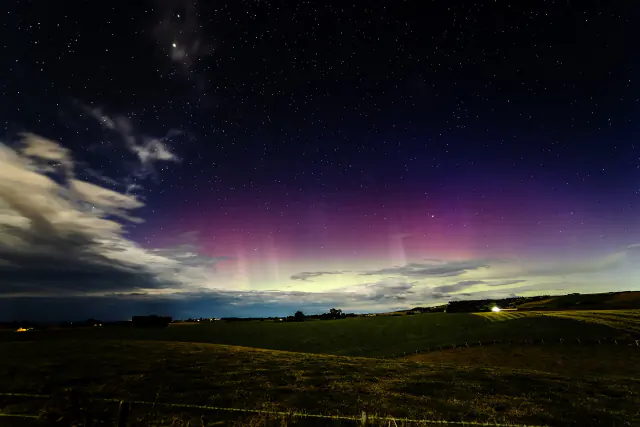
Southern Lights
Northern Lights in Australia
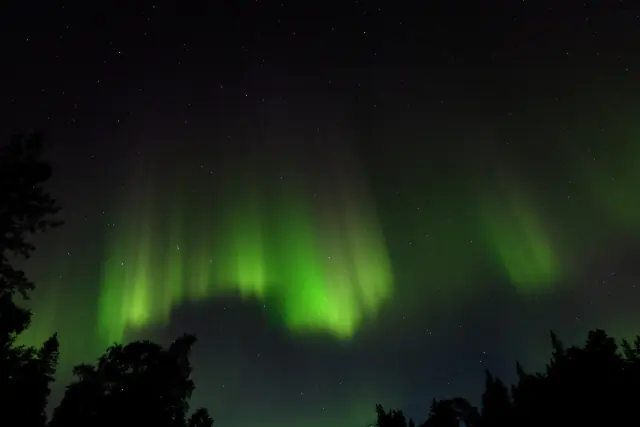
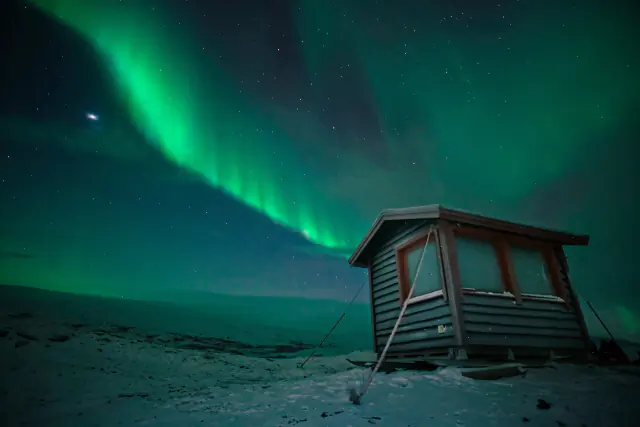
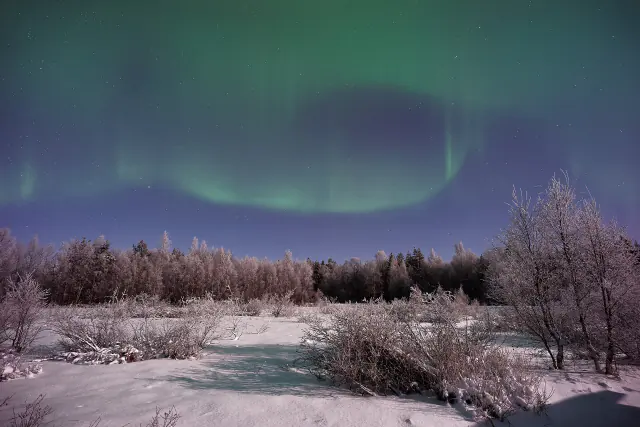
Australia is not the first country that comes to mind for aurora viewing, and that is exactly what makes seeing the southern lights from Australian soil so extraordinary. When powerful geomagnetic storms push the auroral oval northward, Tasmania and the southern coast of Victoria become front-row seats to the aurora australis — a spectacle that transforms the familiar Australian night sky into something truly otherworldly.
Aurora Australis from Australia: A Rare Wonder
Australia might seem an unlikely aurora destination, but the island state of Tasmania (41-43.6°S) and the southern coast of Victoria (38-39°S) occupy latitudes equivalent to important aurora borealis locations in the Northern Hemisphere. Tasmania's southernmost point is at a latitude comparable to northern Spain or central Turkey — yet due to differences in the magnetic field geometry between hemispheres, the southern auroral oval regularly dips close enough for Tasmanian observers to catch the lights during moderate-to-strong geomagnetic storms.
Australia's aurora tradition is longer than most realize. Aboriginal Australians have observed and interpreted the southern lights for tens of thousands of years. Some Aboriginal groups view the aurora as bushfire in the spirit world, while others see it as the campfires of ancestor spirits. These are among the oldest cultural interpretations of aurora phenomena on Earth.
The practical appeal of Australian aurora watching is significant for the country's 26 million residents. Rather than traveling to the Northern Hemisphere, Australians can drive to Tasmania or Victoria's southern coast and watch for the southern lights from their own country. During major geomagnetic events, aurora has been photographed from beaches in Melbourne, from the peaks of Mount Wellington in Hobart, and from the pristine wilderness of Cradle Mountain.
The rarity of Australian aurora makes each sighting a genuine event. When social media lights up with aurora australis photographs from Tasmania, it generates national excitement and media coverage. This shared cultural moment, when an ancient phenomenon reminds Australians of their cosmic connection, is part of what makes southern lights viewing from Australia so compelling.
When to See Aurora Australis in Australia
The Australian aurora season aligns with the Southern Hemisphere winter: March through September, when nights are longest and darkest. Within this window, any month can produce aurora given sufficient geomagnetic activity.
April and May offer the autumn equinox enhancement and lengthening nights with mild temperatures. Tasmania's autumn is beautiful, with deciduous trees adding warm colors to the landscape.
June through August provide the darkest nights. Tasmania's winter is cool but mild by global standards (3-10°C at sea level), making extended outdoor viewing comfortable. The long nights (14-15 hours of darkness around the winter solstice) maximize the window for catching aurora activity.
September brings the spring equinox aurora boost and is statistically one of the most active months for geomagnetic storms globally. Several of Australia's most notable aurora events in recent years have occurred in September and October.
The essential requirement is a strong geomagnetic storm. For Tasmania, a KP index of 5-6 is typically needed for a detectable glow on the southern horizon, while KP 7+ produces vivid, colorful displays. For mainland Victoria, KP 7-8+ is usually required. Major events (KP 8-9) can produce aurora visible from South Australia and even southern New South Wales. Monitor the aurora forecast and Australian aurora alert services.
Best Places to See Southern Lights in Australia
Tasmania — Australia's most southerly state and the best overall aurora australis location. The entire island sits south of 41°S, with the southern coast reaching 43.6°S. Key viewing spots include: South Arm Peninsula near Hobart, providing dark skies with an unobstructed southern ocean horizon; Cockle Creek, the southernmost road-accessible point in Australia; Satellite Island, a private island in the D'Entrecasteaux Channel; and the Southwest National Park wilderness area. Hobart itself, from elevated viewpoints like Mount Wellington/kunanyi, has produced excellent aurora photographs during strong events.
Bruny Island — A short ferry ride from Hobart, Bruny Island offers exceptional darkness and a southern horizon over the open Southern Ocean. The Neck, a narrow isthmus connecting North and South Bruny, provides a dramatic viewing platform. Adventure Bay and the lighthouse at Cape Bruny are also excellent spots. Bruny combines aurora potential with outstanding wildlife (penguins, seals, echidnas) and artisan food producers.
Cradle Mountain — Located in Tasmania's central highlands, Cradle Mountain-Lake St Clair National Park offers some of Australia's darkest skies and the iconic profile of Cradle Mountain reflected in Dove Lake. At 41.6°S, the park's elevation (900+ meters) and remoteness create ideal dark-sky conditions. The aurora over Cradle Mountain's distinctive silhouette is one of Australia's most sought-after aurora photographs.
Wilsons Promontory — The southernmost point of mainland Australia (39.1°S), known locally as "the Prom." While it requires stronger storms than Tasmania, Wilsons Promontory's position jutting into Bass Strait provides an unobstructed southern horizon. The remote beaches and granite headlands create atmospheric viewing conditions. It is the best mainland aurora location in Australia.
Melbourne area — During very strong storms (KP 8-9), aurora has been photographed from the Mornington Peninsula, the Great Ocean Road, and even suburban Melbourne. While not a reliable aurora destination, Melbourne's large population means these events generate enormous community excitement. For better odds, drive 2-3 hours south to Wilsons Promontory or take the overnight ferry to Tasmania.
Tips for Chasing Aurora Australis in Australia
Follow aurora alert networks. Join the Aurora Australis Tasmania Facebook group, which has over 50,000 members and is one of the most active aurora communities globally. Follow @AuroraAustralis on Twitter and install aurora alert apps that notify you when KP levels rise. The Bureau of Meteorology Space Weather Services also provides Australian-specific forecasts.
Be ready to move quickly. Australian aurora events are often detected only hours before they become visible. Have a "go bag" ready with camera, tripod, warm layers, snacks, and a thermos. Know your nearest dark-sky location with a south-facing horizon and be prepared to drive there on short notice. Many of the best Australian aurora photographs have been taken by prepared observers who moved fast when alerts fired.
Drive south of city lights. Get as far south as possible and away from light pollution. In Tasmania, this means heading to the south coast or east coast away from Hobart. On the mainland, head to Wilsons Promontory or the coast between Inverloch and Venus Bay. A 30-minute drive from urban areas makes an enormous difference.
Use long-exposure photography. Australian aurora is often subtle to the naked eye, especially during moderate events. A camera on a tripod with settings of ISO 3200-6400, f/2.8, and 10-25 second exposures will reveal colors and structure invisible to the eye. Even if you see only a faint glow, your camera may capture vivid greens, reds, and magentas.
Combine with Tasmania travel. Do not visit Tasmania solely for aurora — the odds of a strong event during a short visit are low. Instead, plan a Tasmanian holiday that includes aurora watching as a thrilling possibility. Tasmania offers world-class hiking (Overland Track, Three Capes Track), food and wine (the Tamar Valley, Bruny Island producers), wildlife (devils, wombats, platypus), and pristine wilderness. An aurora sighting is the ultimate bonus on an already exceptional trip.
Borealis App
Aurora forecasts, social feed & Hunter Ranks
Frequently Asked Questions
Yes. Aurora australis is visible from Tasmania and southern Victoria during moderate-to-strong geomagnetic storms. Tasmania sees aurora multiple times per year, with strong displays occurring several times annually during solar maximum. Even Melbourne has photographed aurora during major storms (KP 8-9). The displays are real, vivid, and increasingly well-documented by Australian aurora photography communities.
A KP index of 5-6 produces a detectable glow on Tasmania's southern horizon, visible primarily through long-exposure photography. KP 7 typically produces aurora visible to the naked eye as a green or red glow. KP 8-9 produces vivid, multi-colored displays that can extend well above the horizon. For mainland Victoria, add 1-2 KP levels to these thresholds.
Any month from March through September can produce aurora, with June through August offering the darkest nights. September and March-April are statistically favorable due to equinox-related geomagnetic enhancement. However, the dominant factor is solar activity and geomagnetic storms rather than seasonal timing. During solar maximum years, multiple aurora events can occur in any given month.
Tasmania is significantly better due to its more southerly latitude (41-43.6°S vs 38-39°S for Victoria). Tasmania sees aurora during KP 5-6 events, while mainland Victoria typically requires KP 7-8+. Tasmania also has less light pollution and more dark-sky locations. However, Wilsons Promontory (39.1°S) is the best mainland option and offers occasional displays during strong storms.
Different Aboriginal groups have their own interpretations of the aurora australis, many dating back tens of thousands of years. Some groups view the lights as bushfire in the spirit world, others as the campfires of ancestor spirits, and some as messages from the Dreamtime. These represent some of the oldest cultural interpretations of aurora phenomena on Earth and reflect a deep, ancient connection between indigenous Australians and the night sky.
Extremely unlikely. Sydney (33.9°S) and Brisbane (27.5°S) are too far north for aurora under all but the most extreme theoretical conditions. The furthest north aurora australis has been reliably documented in Australia is approximately 35-36°S during exceptionally rare KP 9 events. For any realistic chance of seeing aurora, travel to Tasmania or at minimum the Victorian coast.
Related Articles
Destination
Northern Lights in New Zealand
New Zealand is the Southern Hemisphere's most accessible aurora australis destination, where the southern lights illumin...
Destination
Northern Lights in Argentina
Argentina's Tierra del Fuego, at the southern tip of South America, offers a rare and exhilarating chance to witness the...