Northern Lights Destination
Northern Lights in Wilsons Promontory, Australia
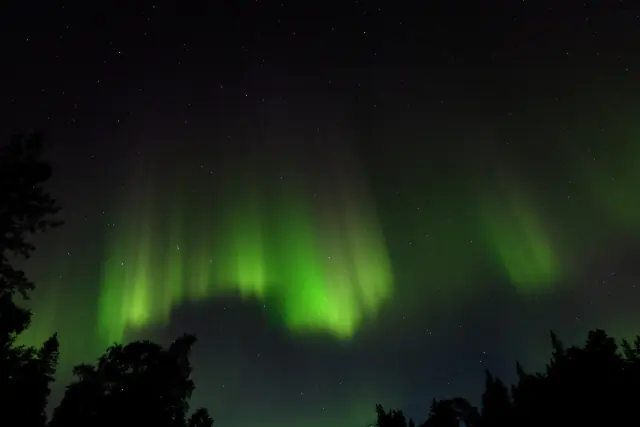
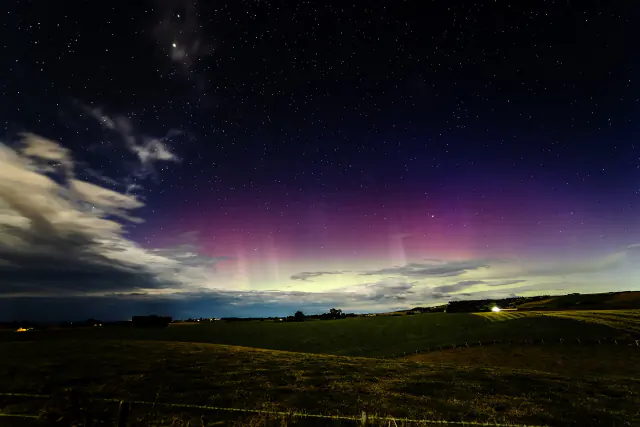
Wilsons Promontory is mainland Australia's southernmost point — where pristine national park beaches face Antarctica and the aurora australis dances above one of the continent's darkest skies.
Aurora at Australia's Southern Tip
Wilsons Promontory National Park at 39.13°S is the southernmost point of mainland Australia, extending further south than any other accessible mainland location. This position gives it a meaningful advantage for aurora viewing, requiring approximately a KP index of 5 compared to Melbourne's KP 7.
The national park's pristine natural environment means virtually zero light pollution. With no artificial lighting beyond the small Tidal River campground, the sky darkness at Wilsons Promontory approaches levels found only in the most remote wilderness areas. Stars down to magnitude 6+ are visible, and the Milky Way casts shadows on the ground.
The park's south-facing beaches provide unobstructed views across Bass Strait toward the aurora zone. When the southern lights appear, they rise above a dark ocean horizon backed by pristine coastal wilderness — one of Australia's finest natural light shows.
Best Viewing Spots at Wilsons Promontory
Squeaky Beach near Tidal River, named for its quartz sand that squeaks underfoot, provides a beautiful south-facing beach with granite boulders creating photogenic foreground subjects. Norman Beach at Tidal River is the most accessible option.
Tongue Point and the Pillar Point lookout provide elevated coastal viewpoints with panoramic ocean views. The Oberon Bay trail (accessible on foot only) reaches more remote south-facing beaches with complete darkness.
For the most dedicated, the multi-day hike to South East Point lighthouse — the southernmost point — offers the ultimate mainland Australia aurora experience. However, this requires significant planning and backcountry hiking experience.
Getting to Wilsons Promontory
Wilsons Promontory is approximately 2.5 hours southeast of Melbourne by car. There is no public transport to the park. Entry requires a Parks Victoria pass.
Accommodation at Tidal River includes cabins, safari tents, powered and unpowered camping sites. Bookings are essential, especially during school holidays and weekends. The park has a small general store but no restaurant — bring supplies.
Winter visits (June-August) coincide with aurora season but the park can be cold, wet, and windy (5°C to 12°C). Waterproof clothing, warm layers, and a good sleeping bag are essential for camping. The reward is having one of Australia's most beautiful national parks largely to yourself.
Plan the trip
Getting to Wilsons Promontory
Aurora trips need three things booked together: a flight into the right airport, somewhere dark to stay, and usually a car, because the sky you get is the sky above wherever you can drive to that night.
Compare flightsLive fares into Melbourne Airport (MEL), the closest airport to Wilsons Promontory.
Affiliate links. Booking through them costs you nothing extra and helps keep this site running.
Borealis App
Aurora forecasts, social feed & Hunter Ranks
Frequently Asked Questions
During active solar periods, aurora is visible perhaps 5-15 times per year from the Promontory's dark skies. The park's darkness means even moderate events produce visible results — sometimes just as a faint green glow on the horizon, other times as vivid overhead displays during major storms.
Overnight stay is ideal as aurora typically peaks late at night. Camping at Tidal River puts you minutes from south-facing beaches. Day visitors can stay until late evening but may need to drive out in darkness. Book accommodation well in advance.
Tasmania is better — it's nearly 4 degrees further south and sees aurora more frequently at lower KP levels. Wilsons Promontory is the best mainland Australia option and is more accessible from Melbourne for those who can't make it to Tasmania.
The park offers world-class hiking, beach walks, wildlife viewing (wombats, kangaroos, emus, echidnas), snorkeling, and sea kayaking. Winter is quieter with fewer visitors and excellent wildlife encounters. It's one of Australia's most beloved national parks.
Related Articles
Destination
Northern Lights in Tasmania
Tasmania is Australia's best location for witnessing the aurora australis. The island state's southern latitude, dark wi...
Destination
Northern Lights in Melbourne
Melbourne, Australia's second-largest city, can witness the aurora australis during major geomagnetic storms. While even...
Destination
Northern Lights in Bruny Island
Bruny Island off Tasmania's southeast coast offers exceptional aurora australis viewing from a position further south th...