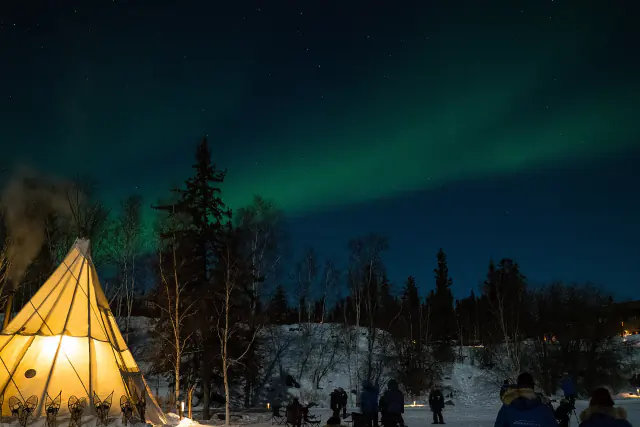
Northern Lights Destination
Northern Lights in Banff, Canada
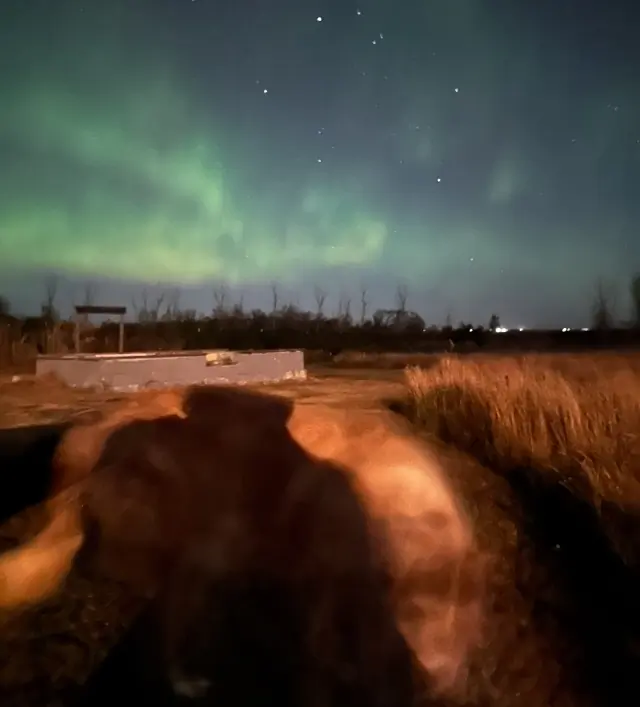
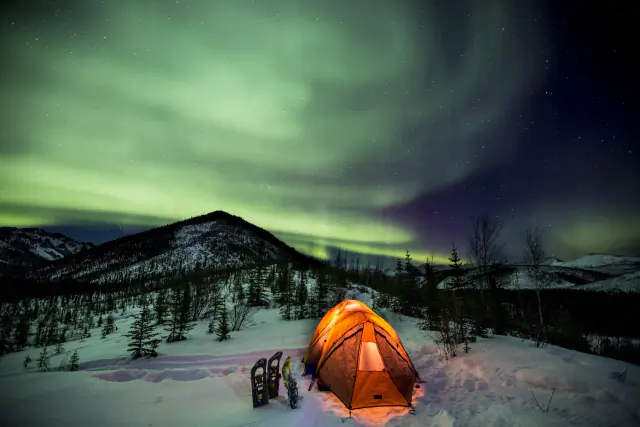
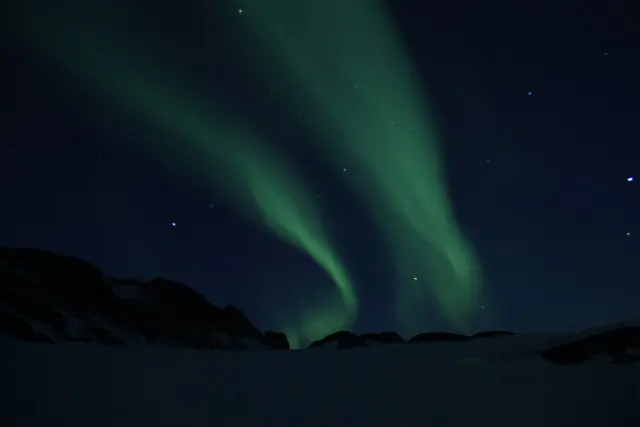
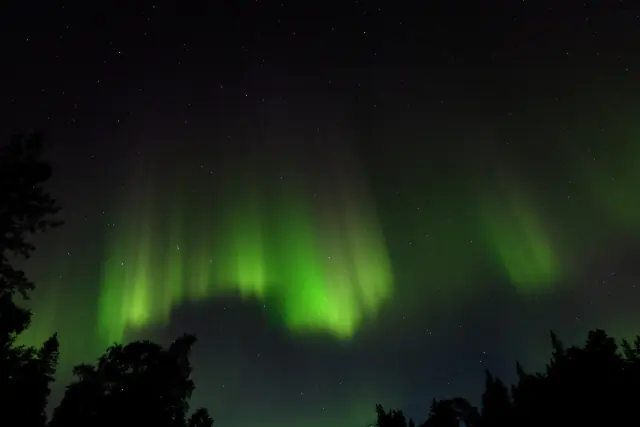
When the northern lights meet the Canadian Rockies in Banff, the result is pure magic — green aurora curtains draped above jagged peaks reflected in pristine mountain lakes.
Can You Really See the Northern Lights in Banff?
Yes — while Banff at 51.18°N is further south than dedicated aurora destinations like Yellowknife, it sits at a latitude comparable to many aurora-active regions in Scandinavia. During periods of elevated geomagnetic activity (KP 5 or higher), the northern lights regularly paint the sky above the Rockies with vivid greens and occasionally purples and reds.
Banff National Park offers something that most high-latitude aurora destinations cannot — dramatic mountain scenery as a foreground. The combination of jagged peaks, glacial lakes, and dense coniferous forests creates photography opportunities that rival anything in the aurora-viewing world.
The park's designation as a Dark Sky Preserve by the Royal Astronomical Society of Canada means that light pollution is actively managed, providing darker skies than you might expect given the town's tourist infrastructure. The best viewing locations within the park offer sky quality comparable to far more remote locations.
Best Aurora Viewing Spots in Banff National Park
Lake Minnewanka is the premier aurora viewing location in Banff. This large glacial lake sits northeast of the town, looking north toward the aurora zone. The lake provides a vast, reflective foreground, and the surrounding mountains frame the sky beautifully. A short drive from the town of Banff, it offers accessible yet dark viewing conditions.
Vermilion Lakes, just west of Banff townsite, are another top choice. The three interconnected lakes provide reflective surfaces with Mount Rundle as a dramatic backdrop. During strong aurora events, photographers can capture the northern lights above Rundle's distinctive peak — one of the most sought-after shots in Canadian landscape photography.
Two Jack Lake near Lake Minnewanka offers a more intimate setting with photogenic rock formations in the foreground. Castle Junction along the Bow Valley Parkway provides open northern sky views, and the Bow Lake area along the Icefields Parkway combines aurora viewing with glacier scenery.
Best Time to See Aurora in Banff
Aurora viewing in Banff is most productive during September through March, with the equinox periods (late September and late March) statistically offering the highest geomagnetic activity. Unlike higher-latitude destinations where any KP level produces displays, Banff requires a KP index of 5 or greater for reliable overhead aurora.
Monitor space weather forecasts through apps like My Aurora Forecast or the NOAA Space Weather Prediction Center. Banff typically sees 10-30 visible aurora events per season, with 5-10 being truly spectacular shows. Signing up for KP index alerts ensures you don't miss sudden geomagnetic storms.
September and October offer the advantage of unfrozen lakes, which means aurora reflections on glass-like water surfaces. Winter months provide longer nights but shorter windows due to cloud cover from Pacific weather systems. March combines returning equinox activity with snow-covered landscapes for a different photographic aesthetic.
Practical Tips for Aurora Viewing in Banff
Banff is one of the most accessible aurora viewing destinations, located just 90 minutes west of Calgary along the Trans-Canada Highway. Calgary International Airport (YYC) serves as the gateway, with car rental essential for reaching dark viewing spots within the park.
A Parks Canada pass is required to enter Banff National Park. During aurora events, Lake Minnewanka Road and Vermilion Lakes Road can become crowded with photographers. Arrive early to secure a good spot and be respectful of others' tripods and compositions.
Wildlife awareness is important when viewing aurora in Banff. Bears, elk, and cougars are active in the park, even at night. Carry bear spray, stay near your vehicle, and be aware of your surroundings. Winter wildlife encounters are less common but still possible — elk frequently graze near Vermilion Lakes.
The town of Banff offers excellent accommodation and dining, from historic lodges like the Fairmont Banff Springs to budget hostels. This makes Banff an ideal destination to combine aurora chasing with skiing, snowshoeing, and other Rocky Mountain activities.
Plan the trip
Getting to Banff
Aurora trips need three things booked together: a flight into the right airport, somewhere dark to stay, and usually a car, because the sky you get is the sky above wherever you can drive to that night.
Compare flightsLive fares into Calgary International Airport (YYC), the closest airport to Banff.
Affiliate links. Booking through them costs you nothing extra and helps keep this site running.
Borealis App
Aurora forecasts, social feed & Hunter Ranks
Frequently Asked Questions
Banff sees visible aurora approximately 10-30 times per season (September–March), with 5-10 events being truly impressive displays. Strong solar activity years can produce significantly more opportunities. Monitoring space weather forecasts and being flexible with your schedule greatly increases your chances.
A KP index of 5 or higher is generally needed for visible aurora in Banff. At KP 5, a faint green glow on the northern horizon is typical. KP 6-7 can produce vivid overhead displays with color, and KP 8-9 events (rare) can create spectacular shows filling the entire sky.
Lake Minnewanka and Vermilion Lakes are the top two spots. Lake Minnewanka offers north-facing views and a large reflective surface, while Vermilion Lakes provides Mount Rundle as a backdrop. Two Jack Lake is another excellent option. All are within 15 minutes of Banff town.
It's extremely rare. Summer nights in Banff are very short, and the KP index needs to be exceptionally high. The best season runs from September through March when nights are long enough and darkness deep enough for aurora viewing.
Related Articles
Destination
Northern Lights in Jasper
Jasper National Park holds the distinction of being the second-largest Dark Sky Preserve in the world, making it one of ...
Destination
Northern Lights in Calgary
Calgary, Alberta's largest city, serves as the main gateway to the Canadian Rockies and offers occasional northern light...
Destination
Northern Lights in Edmonton
Edmonton, Alberta's capital, is one of the northernmost major cities in Canada at 53°N. This position gives Edmonton a g...