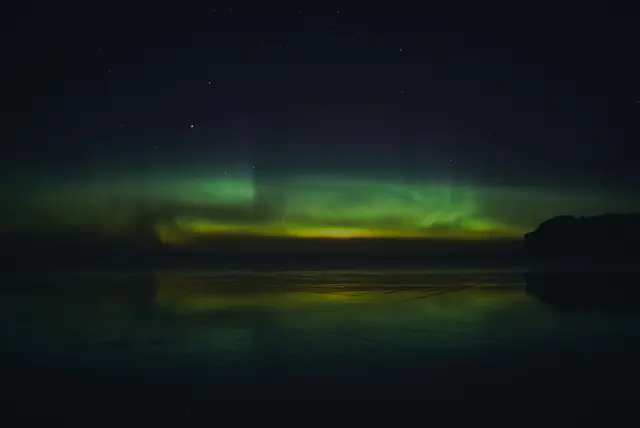
Northern Lights Destination
Northern Lights in Edmonton, Canada
Edmonton's position as one of Canada's northernmost major cities gives aurora chasers a genuine edge — the northern lights reach here more often than almost any other large Canadian city.
Edmonton: Canada's Best Big City for Aurora
At 53.55°N, Edmonton is among the northernmost major cities in the world, sitting nearly 2.5 degrees further north than Calgary and well north of European capitals like London or Berlin. This latitude means aurora with a KP index of 4 produces visible displays, significantly more frequent than the KP 5 required in Calgary.
Edmonton's flat prairie surroundings provide excellent northern horizons once you leave the city's light dome. Unlike mountain locations where peaks can block low-altitude aurora, the prairies allow you to see the northern lights from the moment they appear above the horizon to when they reach overhead.
The city also serves as the primary gateway to northern Alberta and the Northwest Territories. Edmonton International Airport connects to Yellowknife, and the highway system provides driving access to progressively better aurora viewing as you head north toward Fort McMurray and beyond.
Best Viewing Spots Near Edmonton
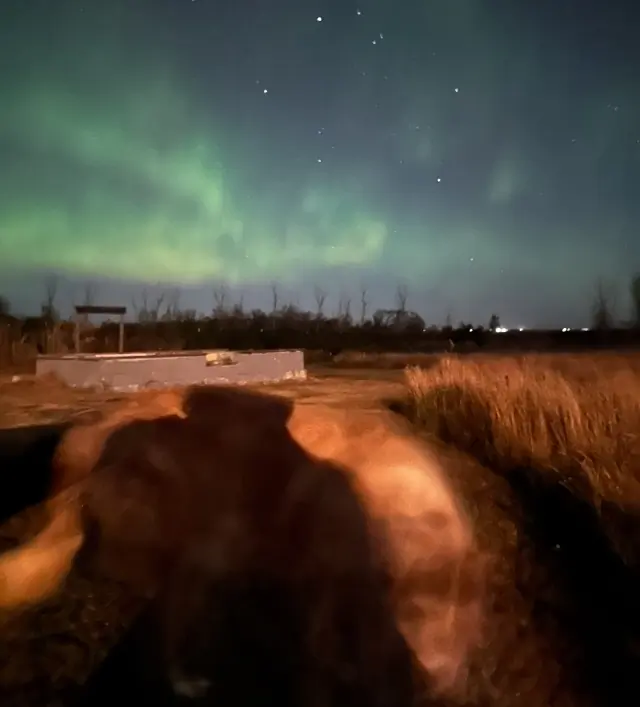
Elk Island National Park, about 45 minutes east of Edmonton, is a designated Dark Sky Preserve and the top aurora viewing destination near the city. The park's protected dark skies and open grasslands provide excellent conditions, and the chance of spotting bison adds a uniquely Canadian element to your aurora outing.
Cooking Lake-Blackfoot Provincial Recreation Area, adjacent to Elk Island, offers additional dark-sky viewing along rural roads. The Pigeon Lake area south of Edmonton provides lakeside viewing with aurora reflections possible during ice-free months.
North of Edmonton, the rural areas along Highway 2 toward Athabasca become progressively darker. The town of Athabasca (2 hours north) sits at 54.7°N and provides noticeably better aurora conditions than Edmonton itself, with local lakes providing photogenic foregrounds.
Practical Tips for Aurora Viewing from Edmonton
Edmonton International Airport (YEG) is a major hub with domestic and international flights, making it an accessible starting point for aurora trips. The city offers extensive accommodation, dining, and entertainment options — ideal for combining aurora viewing with urban exploration.
For aurora viewing, drive at least 30-45 minutes from the city center to escape the light dome. Northeast and east of the city generally provide the darkest conditions. Check light pollution maps and aim for locations with Bortle class 4 or darker.
Edmonton's TELUS World of Science occasionally hosts aurora-themed events and can provide local expertise on viewing conditions. The Edmonton chapter of the Royal Astronomical Society of Canada is another excellent resource for dark-sky locations and viewing tips.
Plan the trip
Getting to Edmonton
Aurora trips need three things booked together: a flight into the right airport, somewhere dark to stay, and usually a car, because the sky you get is the sky above wherever you can drive to that night.
Compare flightsLive fares into Edmonton International Airport (YEG), the closest airport to Edmonton.
Affiliate links. Booking through them costs you nothing extra and helps keep this site running.
Borealis App
Aurora forecasts, social feed & Hunter Ranks
Frequently Asked Questions
Edmonton sees visible aurora approximately 20-40 times per year from dark locations outside the city, making it one of the best large Canadian cities for aurora. During solar maximum years, this frequency increases significantly. Strong KP 6+ events visible from within the city occur roughly 5-10 times per year.
Elk Island National Park, a Dark Sky Preserve about 45 minutes east, is the top choice. It offers protected dark skies, open grasslands, and the chance to see bison. Other good options include Cooking Lake-Blackfoot area and driving north toward Athabasca.
During strong geomagnetic events (KP 6+), the aurora can be visible from within Edmonton, particularly from the river valley or northern suburbs. However, city light pollution significantly diminishes the experience. For the full aurora experience, driving 30-45 minutes from the city is recommended.
Excellent. Edmonton serves as a gateway to Yellowknife (flights), Jasper (4-hour drive), and Fort McMurray (4.5-hour drive), all premier aurora destinations. The city itself offers genuine aurora viewing opportunities, and its international airport and amenities make it a practical and comfortable base.
Related Articles
Destination
Northern Lights in Jasper
Jasper National Park holds the distinction of being the second-largest Dark Sky Preserve in the world, making it one of ...
Destination
Northern Lights in Fort McMurray
Fort McMurray in northern Alberta sits at a latitude sweet spot for aurora viewing. Known primarily for its oil sands in...
Destination
Northern Lights in Calgary
Calgary, Alberta's largest city, serves as the main gateway to the Canadian Rockies and offers occasional northern light...