Northern Lights Destination
Northern Lights in Thunder Bay, Canada
Thunder Bay brings together the raw power of Lake Superior and the ethereal beauty of the northern lights — aurora curtains dancing above the world's largest freshwater lake.
Aurora Over Lake Superior
Thunder Bay at 48.38°N requires a KP index of 5 for visible aurora, similar to other mid-latitude aurora destinations. What makes this city special is Lake Superior — the world's largest freshwater lake by surface area provides an enormous reflective surface and completely unobstructed northern horizon.
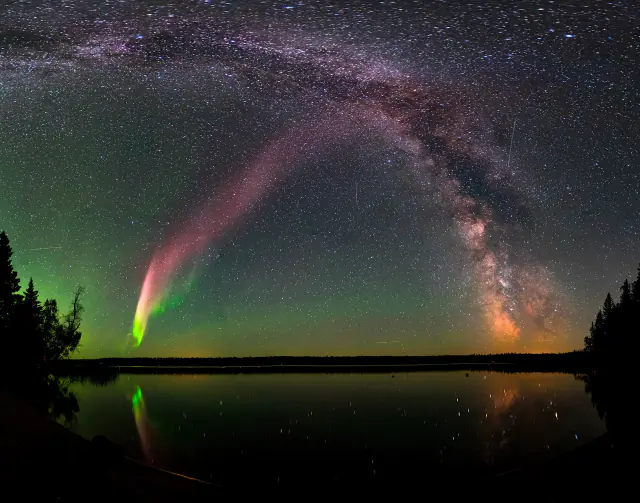
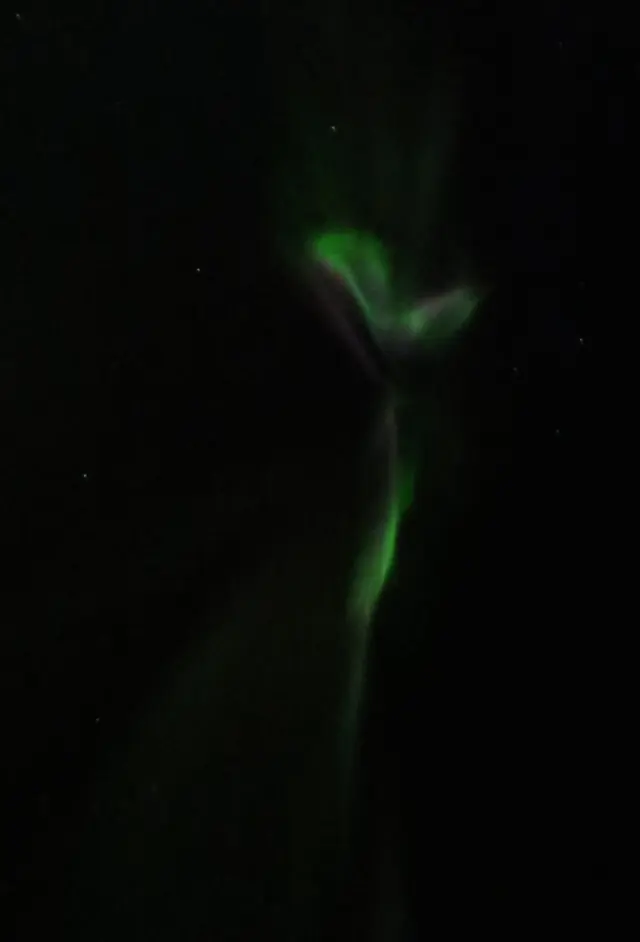
On aurora-active nights, the northern lights appear above the dark expanse of Superior, their green and purple hues reflected in the lake's waters. The combination of boreal forest shoreline, rugged Canadian Shield geology, and vast open water creates aurora photography opportunities found nowhere else in Ontario.
Thunder Bay's position in northwestern Ontario also places it in a slightly more favorable zone than southern Ontario cities. The city sees more aurora events than Toronto or Ottawa, and the darker skies of the surrounding wilderness amplify every display.
Best Viewing Spots Near Thunder Bay
Sleeping Giant Provincial Park on the Sibley Peninsula east of the city is the premier viewing destination. The park's dramatic cliffs and Lake Superior shoreline provide an extraordinary setting, and its distance from the city means very dark skies. The iconic Sleeping Giant formation makes a powerful foreground for aurora shots.
Kakabeka Falls Provincial Park west of the city combines a 40-meter waterfall with dark rural skies. The falls provide a dramatic foreground for aurora photography and the park is easily accessible year-round.
The north shore of Superior along Highway 17 toward Nipigon and Red Rock offers numerous lakeside pull-offs with progressively darker conditions. Ouimet Canyon Provincial Park and the Dorion area provide elevated viewpoints with panoramic lake and sky views.
Planning Your Aurora Visit to Thunder Bay
Thunder Bay Airport (YQT) receives flights from Toronto, Winnipeg, and other Canadian cities via Air Canada, WestJet, and Porter. The city has full urban amenities including hotels, restaurants, and rental cars. It's also accessible by car — 7 hours from Winnipeg or 15 hours from Toronto along the Trans-Canada Highway.
Lake Superior's influence on weather means cloud cover can be persistent, particularly in autumn. Lake-effect clouds are common when cold air passes over the warmer lake water. Check multiple weather sources and be prepared for plans to change. Clear nights in January and February, when the lake partially freezes, tend to be more reliable.
Thunder Bay winters are cold (-15°C to -30°C) with heavy snowfall. The city is well-equipped for winter conditions, but visitors should prepare for icy roads and deep cold during aurora viewing excursions.
Plan the trip
Getting to Thunder Bay
Aurora trips need three things booked together: a flight into the right airport, somewhere dark to stay, and usually a car, because the sky you get is the sky above wherever you can drive to that night.
Compare flightsLive fares into Thunder Bay Airport (YQT), the closest airport to Thunder Bay.
Affiliate links. Booking through them costs you nothing extra and helps keep this site running.
Borealis App
Aurora forecasts, social feed & Hunter Ranks
Frequently Asked Questions
Thunder Bay sees visible aurora approximately 10-20 times per season from dark locations. Lake Superior's influence on cloud cover means clear viewing nights may be fewer than inland locations at similar latitudes. Active solar periods significantly increase the frequency of displays.
Sleeping Giant Provincial Park on the Sibley Peninsula offers the darkest skies and most dramatic scenery. Kakabeka Falls Provincial Park provides a closer option with waterfall foreground. Both are within 45 minutes of the city.
Both. The lake provides a spectacular reflective surface and unobstructed northern horizon, which are advantages. However, lake-effect clouds can obstruct views, particularly in autumn and early winter. When skies are clear, the lake dramatically enhances the aurora experience.
February and March offer the best combination of longer clear periods (the lake is partly frozen, reducing cloud formation), long nights, and increasing geomagnetic activity around the spring equinox. September is also excellent for autumn aurora with reflections on the unfrozen lake.
Related Articles
Destination
Northern Lights in Winnipeg
Winnipeg, Manitoba's capital, sits at the heart of the Canadian prairies and offers surprising aurora viewing potential....
Destination
Northern Lights in Michigan Upper Peninsula
Michigan's Upper Peninsula, surrounded by the Great Lakes, is one of the best places in the Lower 48 to see the northern...
Destination
Northern Lights in Minnesota Boundary Waters
Minnesota's Boundary Waters Canoe Area Wilderness offers some of the darkest skies in the Lower 48 and one of the best a...