Northern Lights Destination
Northern Lights in Montana Glacier National Park, United States
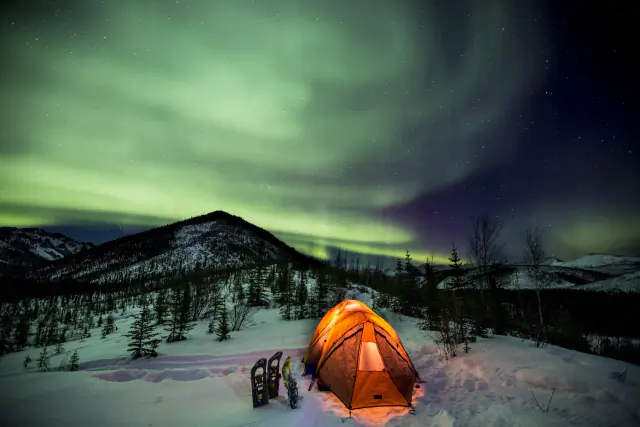
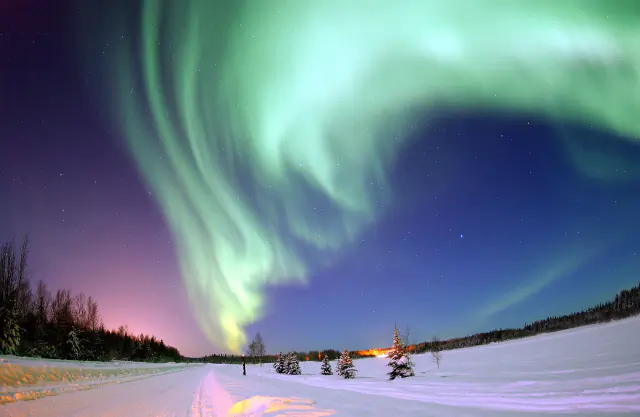
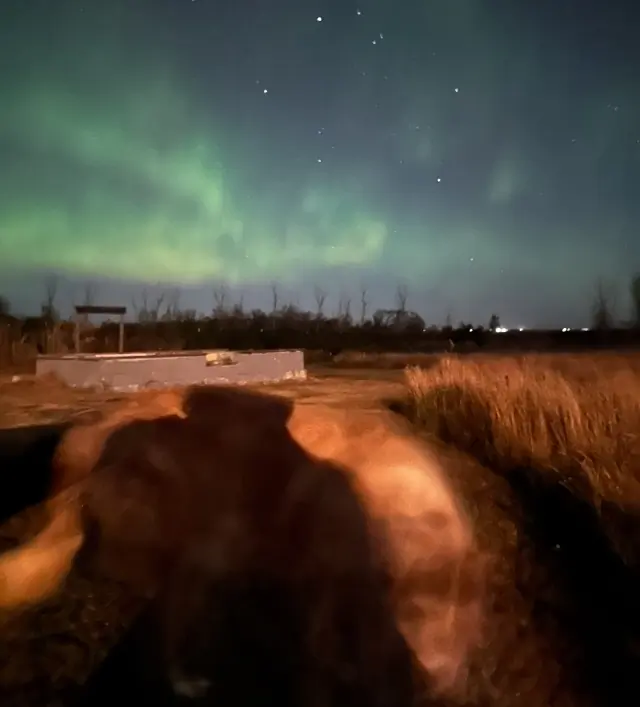
Montana's Big Sky Country lives up to its name when the northern lights appear above Glacier National Park — dramatic peaks and glacial lakes lit by dancing aurora.
Aurora in Big Sky Country
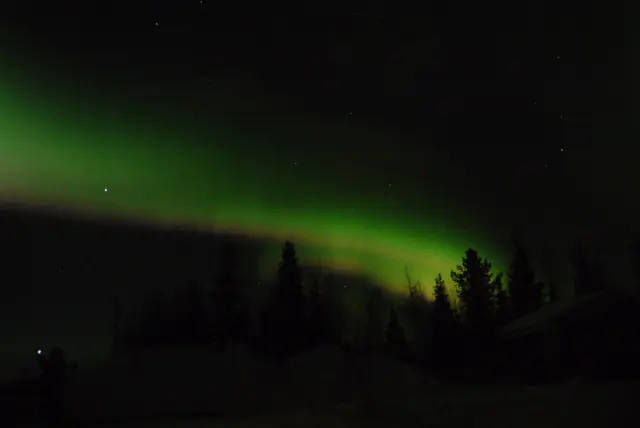
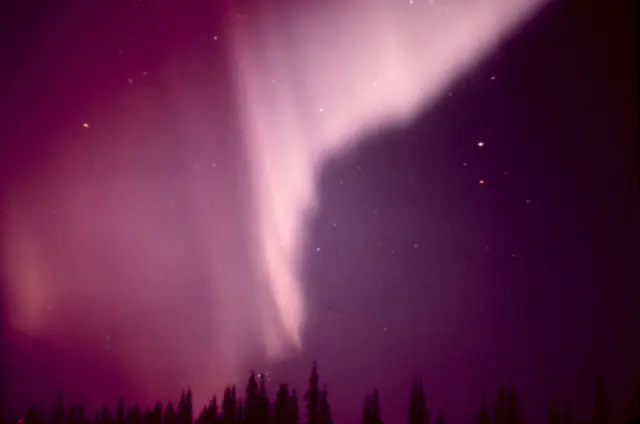
Montana's northern border reaches 49°N, and Glacier National Park sits at approximately 48.5°N — among the most northerly accessible points in the Lower 48. With a KP index of 5, the northern lights become visible above the park's dramatic peaks, and stronger events produce vivid displays reflected in the park's pristine glacial lakes.
Glacier National Park was designated an International Dark Sky Park, recognizing its exceptional night sky quality. The park's remote location in northwestern Montana, far from any major city, provides darkness levels that are becoming increasingly rare in the United States.
The combination of mountain scenery and dark skies makes Glacier one of the most photogenic aurora locations in the country. Jagged peaks, turquoise lakes, and alpine meadows create compositions that rival any aurora destination globally.
Best Aurora Viewing Spots in Glacier NP
Lake McDonald on the park's west side provides the most accessible aurora viewing with unobstructed views and the lake's reflective surface. The lake's famous colored pebble shoreline adds unique foreground interest. The historic Lake McDonald Lodge area provides a starting point for lakeside viewing.
Many Glacier on the east side offers the most dramatic mountain scenery, though Going-to-the-Sun Road access to this area is seasonal. St. Mary Lake provides another excellent east-side option with the iconic Wild Goose Island as a foreground subject.
The North Fork area (Polebridge) is the most remote and darkest section of the park. Bowman Lake and Kintla Lake offer pristine wilderness viewing, though access roads are rough. Outside the park, the Flathead Valley near Whitefish and Kalispell provides easier access to dark viewing locations.
Planning Aurora Viewing in Montana
Glacier Park International Airport (FCA) near Kalispell receives flights from major US cities including Seattle, Denver, Minneapolis, and Salt Lake City. The park is about 30 minutes from the airport. Missoula Airport (MSO) is about 4 hours south.
Going-to-the-Sun Road, the park's main route, closes in winter (typically November through June), limiting access to the west entrance (Lake McDonald area) and east entrance (St. Mary area). The North Fork road to Polebridge is also seasonally closed.
Winter temperatures in the park range from -15°C to -5°C with significant snowfall. The park's lodges and campgrounds close seasonally, but accommodation in West Glacier, Whitefish, and Kalispell is available year-round. September, before the road closes, is an excellent time for aurora viewing with full park access.
Plan the trip
Getting to Montana Glacier National Park
Aurora trips need three things booked together: a flight into the right airport, somewhere dark to stay, and usually a car, because the sky you get is the sky above wherever you can drive to that night.
Compare flightsLive fares into Glacier Park International Airport (FCA), the closest airport to Montana Glacier National Park.
- Where to stayMontana Glacier National Park has few listed hotels, so this compares places to stay around Maine Aroostook County, the main base nearby.
- Car hireChasing clear skies means driving. Pick up at Glacier Park International Airport.
- Guided toursAurora chases and activities around Montana Glacier National Park.
Affiliate links. Booking through them costs you nothing extra and helps keep this site running.
Borealis App
Aurora forecasts, social feed & Hunter Ranks
Frequently Asked Questions
September is ideal — Going-to-the-Sun Road is still open, nights are getting longer, and the equinox brings increased aurora activity. Winter offers longer nights but limited park access. March through early April combines equinox activity with moderate conditions.
Absolutely. Glacier is designated an International Dark Sky Park with some of the darkest skies in the US. The park's remoteness and mountain terrain provide exceptional conditions. Lake McDonald and the North Fork area are particularly dark.
Yellowstone at 44-45°N is significantly further south than Glacier (48-49°N) and requires stronger geomagnetic storms for visible aurora. While possible during KP 7+ events, Glacier is a far more reliable choice for aurora in Montana/Wyoming.
Yes, a vehicle is essential. The park's viewing locations are spread out, and flexibility to chase clear skies is important. In winter, Going-to-the-Sun Road is closed, so access is limited to the park's edges. A car is necessary for reaching any viewing location.
Related Articles
Destination
Northern Lights in Idaho Central Dark Sky Reserve
Central Idaho is home to the first International Dark Sky Reserve in the United States, offering some of the darkest mea...
Destination
Northern Lights in North Dakota Dark Prairies
North Dakota's vast, empty prairies provide some of the darkest and most unobstructed skies in the Lower 48. The state's...
Destination
Northern Lights in Minnesota Boundary Waters
Minnesota's Boundary Waters Canoe Area Wilderness offers some of the darkest skies in the Lower 48 and one of the best a...