Northern Lights Destination
Northern Lights in Churchill, Canada
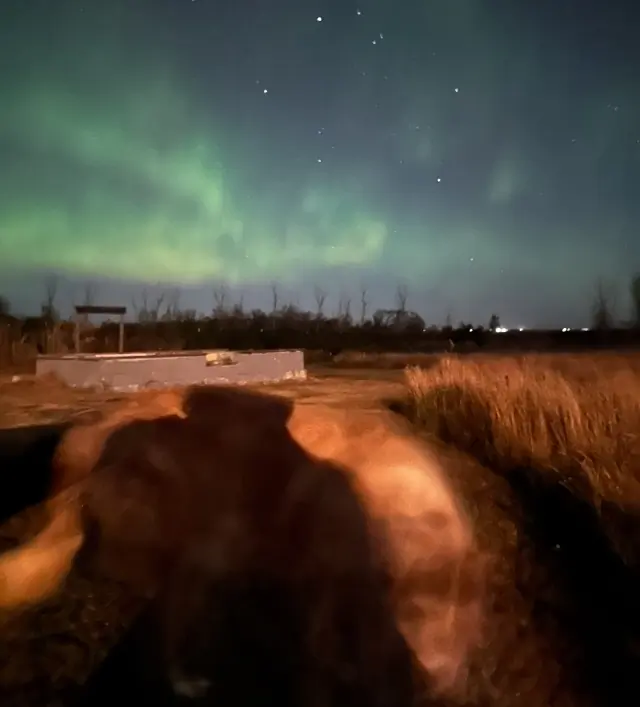
Churchill offers the rare magic of watching the northern lights dance above the tundra while polar bears roam the shores of Hudson Bay — a truly once-in-a-lifetime experience.
Why Churchill Is a Unique Aurora Destination
Churchill sits at 58.77°N on the shores of Hudson Bay, placing it firmly within the auroral oval. The town's remote location on the Manitoba tundra means virtually zero light pollution, and the flat terrain provides unobstructed 360-degree views of the sky from almost any vantage point.
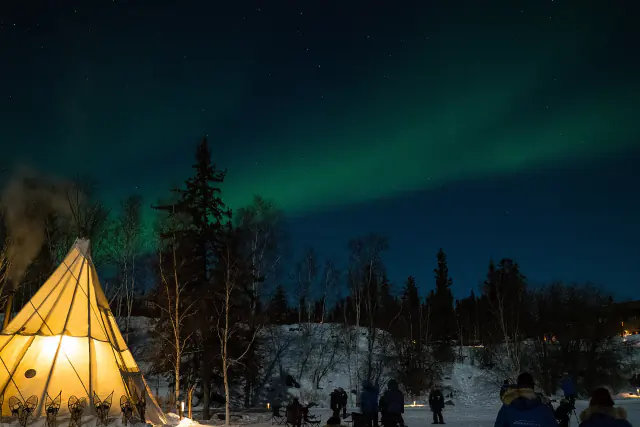
What makes Churchill truly special is the convergence of two natural wonders. The polar bear season (October–November) overlaps perfectly with the aurora season, allowing visitors to experience both phenomena in a single trip. Imagine watching green and purple curtains of light ripple above the silhouettes of polar bears on the frozen bay.
Churchill requires a KP index of 3 for reliable displays, which is reached frequently during the active season. The town's position along Hudson Bay creates unique atmospheric conditions — cold, dry Arctic air masses frequently clear clouds quickly, opening sudden windows of crystal-clear sky perfect for aurora viewing.
Best Time for Aurora Viewing in Churchill
The aurora season in Churchill extends from late August through early May, with the most popular viewing months being January through March. These deep winter months offer up to 18 hours of darkness and consistently cold, dry conditions that favor clear skies.
The October–November polar bear season provides a unique double opportunity. While the primary draw is bear viewing during daylight hours, clear evenings frequently deliver excellent aurora displays. The combination draws visitors from around the globe willing to brave sub-zero temperatures for this dual experience.
February and March are considered the best months purely for aurora, with the spring equinox effect boosting geomagnetic activity and temperatures becoming slightly more bearable than the brutal January cold. Churchill's proximity to the magnetic north pole means that even moderate solar activity can produce dramatic overhead displays.
Where to Watch the Aurora in Churchill
The Churchill Northern Studies Centre (CNSC) is the premier aurora viewing facility in the region. Located 23 km east of town, this research and education center offers multi-night aurora viewing programs with heated indoor observation areas, expert guides, and photography workshops. Its remote location ensures zero light pollution.
The tundra buggy trails east of Churchill provide elevated viewing platforms above the flat landscape. Several operators offer evening tundra buggy excursions specifically for aurora viewing, combining the comfort of a heated vehicle with stops at prime dark-sky locations.
Within the town, Cape Merry at the mouth of the Churchill River offers a dramatic setting where the aurora reflects off ice and open water. The Prince of Wales Fort National Historic Site across the river provides a historic foreground for aurora photography, though access depends on season and conditions.
Getting to Churchill and Travel Tips
Churchill is one of Canada's most remote communities, accessible only by air or rail. Calm Air and Canadian North operate flights from Winnipeg (approximately 2.5 hours). Via Rail's legendary train journey from Winnipeg takes about 48 hours and passes through vast boreal forest and tundra — an adventure in itself.
There are no roads connecting Churchill to the rest of Canada, which contributes to both its remoteness and its appeal. Accommodation is limited, so booking well in advance is essential, especially during the October–November polar bear season when demand peaks.
The town offers a handful of hotels, lodges, and B&Bs, with the Lazy Bear Lodge and Churchill Hotel being popular choices. The CNSC offers residential programs that include accommodation, meals, and guided aurora viewing. Pack extreme cold-weather gear — Churchill winters are harsh, with temperatures regularly below -30°C and strong winds off Hudson Bay adding significant wind chill.
Plan the trip
Getting to Churchill
Aurora trips need three things booked together: a flight into the right airport, somewhere dark to stay, and usually a car, because the sky you get is the sky above wherever you can drive to that night.
Compare flightsLive fares into Churchill Airport (YYQ), the closest airport to Churchill.
Affiliate links. Booking through them costs you nothing extra and helps keep this site running.
Borealis App
Aurora forecasts, social feed & Hunter Ranks
Frequently Asked Questions
Yes, the October–November polar bear season overlaps with aurora season. You can view bears during the day on tundra buggy tours and then watch for the northern lights after dark. This combination is one of the most sought-after wildlife and nature experiences in the world.
Churchill is accessible by air from Winnipeg via Calm Air or Canadian North (2.5-hour flight), or by Via Rail train from Winnipeg (approximately 48 hours). There are no road connections. Flights should be booked well in advance, especially during peak polar bear season.
February and March offer the best combination of dark hours and high aurora activity. However, October and November are popular for combining aurora viewing with polar bear season, and January offers the longest nights with excellent clear-sky statistics.
Yes, Churchill is a remote community and costs reflect this. Flights from Winnipeg, accommodation, and tours are all priced at a premium. A typical 3-4 night trip including flights, lodging, and tours can cost $3,000-$6,000 CAD per person. Booking packages through tour operators often provides better value.
Churchill's winter temperatures regularly drop to -30°C to -40°C, with wind chill from Hudson Bay making it feel even colder. January is the coldest month. Proper arctic clothing including insulated boots, full-face protection, and layered systems is absolutely essential.
Related Articles
Destination
Northern Lights in Yellowknife
Yellowknife is widely regarded as the aurora capital of North America. Situated beneath the auroral oval, this Northwest...
Destination
Northern Lights in Winnipeg
Winnipeg, Manitoba's capital, sits at the heart of the Canadian prairies and offers surprising aurora viewing potential....
Destination
Northern Lights in Thunder Bay
Thunder Bay sits on the northwest shore of Lake Superior, where the vast freshwater expanse creates a natural amphitheat...