Northern Lights Destination
Northern Lights in Fort McMurray, Canada
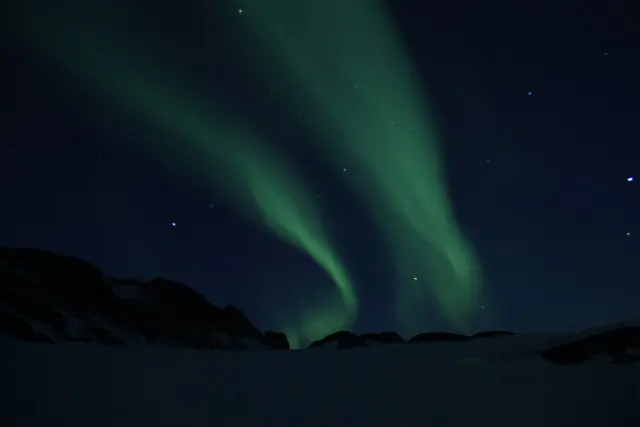
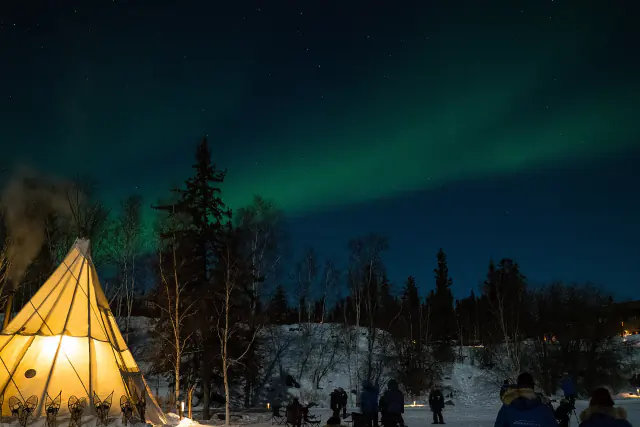
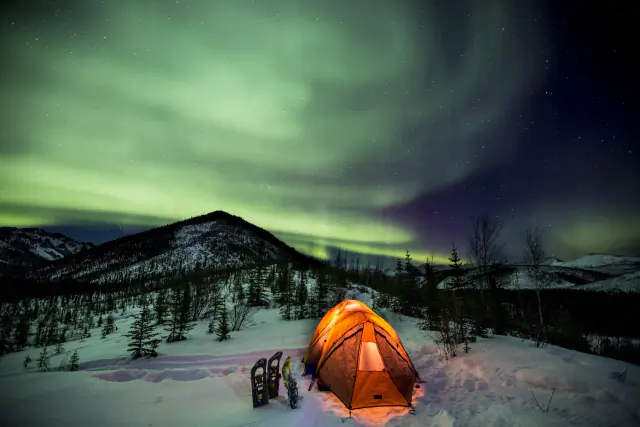
Fort McMurray's northern Alberta location puts it in the sweet spot for aurora viewing — far enough north for frequent displays, yet accessible with modern amenities and direct flights.
Aurora Viewing in Fort McMurray
Fort McMurray at 56.73°N sits significantly further north than major Canadian cities, placing it in a zone where aurora with a KP index of just 3 becomes visible overhead. This relatively low threshold means the city sees aurora activity on a substantial number of clear winter nights — far more frequently than southern Alberta cities like Calgary or Edmonton.
The surrounding boreal forest and relative absence of other major communities means that light pollution drops off quickly once you leave the city center. Within a 15-minute drive, you can find viewing conditions comparable to much more remote locations.
While Fort McMurray doesn't have the aurora tourism infrastructure of Yellowknife, its position along the highway system makes it an accessible and practical aurora viewing destination. The city has hotels, restaurants, and rental car availability, providing all necessary amenities for an aurora-focused visit.
Best Viewing Spots Around Fort McMurray
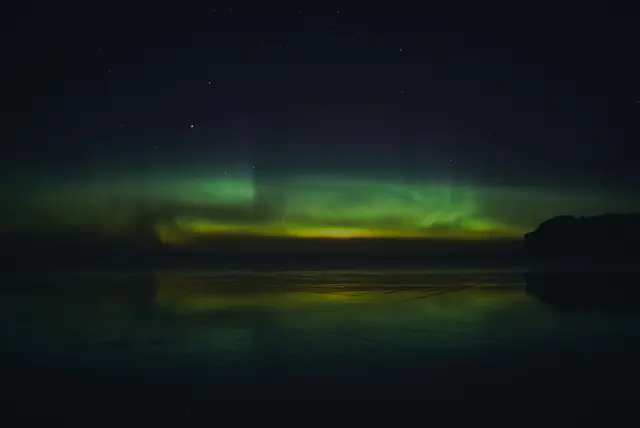
Gregoire Lake Provincial Park, about 30 minutes southeast of the city, is the most popular dedicated viewing area. The lake provides an open foreground with boreal forest framing, and the park is dark enough for excellent naked-eye aurora viewing and astrophotography.
The Athabasca River valley offers numerous pull-offs north and south of the city along Highway 63. The wide river provides reflection opportunities, and the valley walls create interesting foreground compositions. Clearwater River Provincial Park to the south offers more remote wilderness viewing.
For closer options, the Vista Ridge ski area provides an elevated viewpoint near the city, and MacDonald Island Park on the river's edge offers dark views to the north despite being within the urban area.
Planning an Aurora Trip to Fort McMurray
Fort McMurray Airport (YMM) has direct flights from Edmonton, Calgary, and Toronto, primarily serving the oil industry workforce. Flights are frequent and often affordable due to high demand in both directions. Alternatively, it's a 4.5-hour drive north from Edmonton along Highway 63.
The city has a full range of accommodation options, from chain hotels to apartments and B&Bs. Rates can fluctuate with oil industry activity. Car rental is essential for reaching dark-sky viewing locations outside the city.
Winter temperatures range from -15°C to -35°C, requiring proper cold-weather clothing. The city's northern location means very long winter nights — December offers up to 17 hours of darkness. While there are no dedicated aurora tour operators in Fort McMurray, the city's straightforward layout and accessible viewing locations make independent aurora chasing practical.
Plan the trip
Getting to Fort McMurray
Aurora trips need three things booked together: a flight into the right airport, somewhere dark to stay, and usually a car, because the sky you get is the sky above wherever you can drive to that night.
Compare flightsLive fares into Fort McMurray Airport (YMM), the closest airport to Fort McMurray.
Affiliate links. Booking through them costs you nothing extra and helps keep this site running.
Borealis App
Aurora forecasts, social feed & Hunter Ranks
Frequently Asked Questions
Fort McMurray sees visible aurora on approximately 90-120 nights per year when skies are clear and the KP index reaches 3 or higher. During the peak season (September-March), clear nights have a roughly 40-50% chance of showing aurora activity.
Fort McMurray is a practical aurora destination, especially for visitors already in Alberta who want to improve their viewing odds without traveling to the Northwest Territories. However, if aurora is your sole purpose, Yellowknife offers higher frequency and dedicated tour infrastructure.
December through March offers the longest nights and most consistent cold, clear conditions. The equinox periods in late September and late March provide statistically higher geomagnetic activity. October is also excellent with comfortable temperatures.
Yes, a vehicle is essential. The best viewing locations are 15-30 minutes outside the city, and there are no dedicated aurora tour operators or shuttle services. Ensure your rental vehicle is winterized and carry an emergency kit for cold-weather driving.
Related Articles
Destination
Northern Lights in Edmonton
Edmonton, Alberta's capital, is one of the northernmost major cities in Canada at 53°N. This position gives Edmonton a g...
Destination
Northern Lights in Yellowknife
Yellowknife is widely regarded as the aurora capital of North America. Situated beneath the auroral oval, this Northwest...
Destination
Northern Lights in Jasper
Jasper National Park holds the distinction of being the second-largest Dark Sky Preserve in the world, making it one of ...