Northern Lights Destination
Northern Lights in Bergen, Norway
While not a primary aurora destination, Bergen offers the rare chance to see northern lights over UNESCO-listed Bryggen Wharf during powerful solar storms.
Northern Lights in Bergen: A Rare Treat
Bergen sits at 60.39°N - well south of the typical auroral zone, making northern lights sightings uncommon but not impossible. Located on Norway's southwestern coast surrounded by seven mountains, Bergen is famous for its colorful Bryggen Wharf (UNESCO World Heritage Site), vibrant fish market, and famously rainy weather.
To see aurora in Bergen, you need a strong geomagnetic storm with a KP index of 5 or higher. These events occur perhaps 10-20 times per year during solar maximum periods, though cloud cover (Bergen averages 231 rainy days per year) significantly reduces the number of actual sighting opportunities. When the stars align - literally - seeing the aurora over Bryggen or from the summit of Mount Floyen is a once-in-a-lifetime experience.
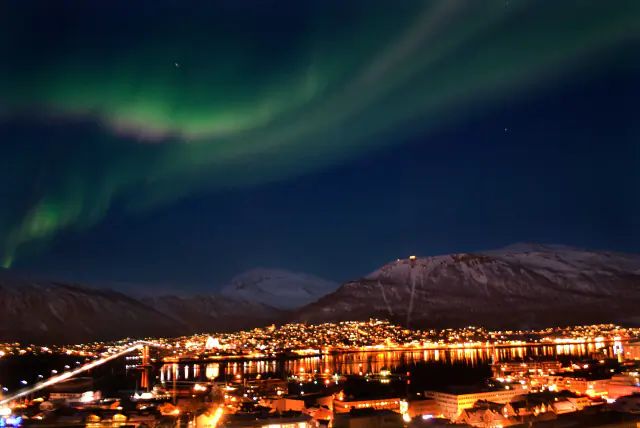
For a more reliable aurora experience, consider traveling north to Tromso or Lofoten. But if you're already in Bergen and see a strong aurora forecast, grab the opportunity and head for the hills.
Where to See Aurora Near Bergen
Mount Floyen: Take the Floibanen funicular to the top of Mount Floyen (320m) for the best chance of seeing aurora from Bergen. The elevated position gets you above some light pollution, and the north-facing views toward the open sky give the best sighting angle. On clear nights with high KP, the aurora can appear as a greenish glow on the northern horizon.
Mount Ulriken: The highest of Bergen's seven mountains at 643m, accessible by cable car. The elevation provides the darkest skies closest to the city center. The panoramic view northward over the city and fjords is ideal for catching low-on-the-horizon aurora displays.
Sotra Island: Driving about 30 minutes west to the outer coast of Sotra island reduces light pollution significantly. The west-facing coastline offers dark skies and unobstructed northern views across the sea.
Hardangerfjord Area: Driving 1.5-2 hours east into the Hardangerfjord area takes you further from city lights and slightly inland where skies can be clearer. Combined with the fjord scenery, this makes for a worthwhile aurora expedition when the KP is high.
When Might You See Aurora in Bergen?
Aurora sightings in Bergen are most likely during strong geomagnetic storms (KP 5+) in the darker months:
October-February: These months offer the best combination of dark skies and potential aurora activity. The October and March equinoxes historically bring enhanced solar activity, increasing the chances of strong storms reaching Bergen's latitude.
Solar Maximum Years: During the peak of the 11-year solar cycle, strong geomagnetic storms become more frequent, dramatically increasing Bergen's aurora chances. During solar maximum, KP 5+ events can occur several times per month.
The biggest challenge in Bergen isn't the aurora activity - it's the weather. Bergen is one of Europe's rainiest cities. When planning aurora viewing, check both the aurora forecast and the weather forecast. Clear sky nights in Bergen are precious - if you get one during a geomagnetic storm, drop everything and head to the mountains.
Tips for Aurora Watching in Bergen
Set Up Alerts: Since aurora in Bergen requires strong storms, sign up for aurora alerts that notify you when KP reaches 5 or above. These events are unpredictable and you'll want instant notification to make the most of them.
Escape the Clouds: Bergen's notoriously cloudy weather is the main obstacle. When forecasts show clear skies coinciding with high KP, be ready to move. Sometimes driving east toward the mountains (Voss, Hardangerfjord) finds clearer conditions.
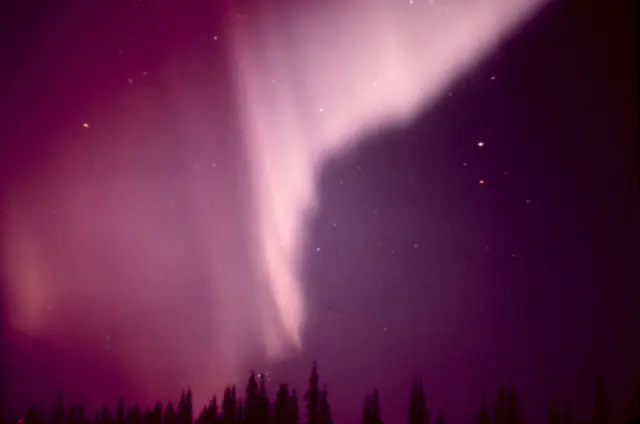
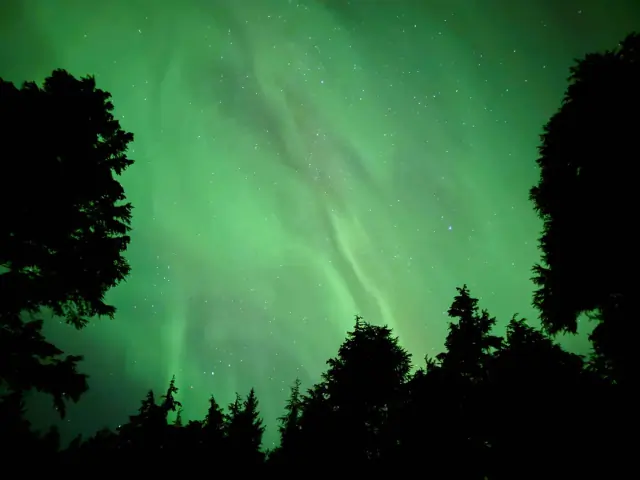
Camera Settings: At Bergen's latitude, aurora often appears as a low, greenish glow on the northern horizon rather than overhead curtains. Use longer exposures (15-25 seconds) and higher ISO settings to capture what might be invisible to the naked eye. Check our photography guide for technical details.
Getting Around: Bergen Airport Flesland (BGO) is a major international hub with connections worldwide. The city has excellent public transport, but for aurora chasing you'll want a car to escape to darker locations outside the city. Bergen is also a popular starting point for fjord cruises and road trips northward.
Plan the trip
Getting to Bergen
Aurora trips need three things booked together: a flight into the right airport, somewhere dark to stay, and usually a car, because the sky you get is the sky above wherever you can drive to that night.
Compare flightsLive fares into Bergen Airport Flesland (BGO), the closest airport to Bergen.
Affiliate links. Booking through them costs you nothing extra and helps keep this site running.
Borealis App
Aurora forecasts, social feed & Hunter Ranks
Frequently Asked Questions
Yes, but rarely. Bergen at 60.39°N requires a KP index of 5 or higher for aurora visibility. During strong geomagnetic storms (which occur more frequently during solar maximum years), the aurora can appear as a green glow on the northern horizon. Clear skies are also essential - Bergen's frequent cloud cover reduces actual sighting opportunities.
During solar maximum years, strong enough storms (KP 5+) might occur 10-20 times annually. However, Bergen's cloudy weather means only a fraction of these will coincide with clear skies. Realistic estimates suggest 2-5 potential sighting nights per year in good solar cycle years.
Bergen should not be your primary northern lights destination - head to Tromso, Lofoten, or other northern Norway locations for reliable viewing. However, if you're visiting Bergen for other reasons (fjords, culture, food), keep an eye on the aurora forecast. A surprise sighting over Bryggen Wharf would be truly special.
Mount Floyen (accessible by funicular) and Mount Ulriken (accessible by cable car) offer the highest and darkest viewpoints within the city. For even darker skies, drive 30 minutes to Sotra island's outer coast or 1.5 hours to the Hardangerfjord area.
Related Articles
Destination
Northern Lights in Oslo
Norway's capital city sits at nearly 60°N and very occasionally witnesses the northern lights during powerful geomagneti...
Destination
Northern Lights in Tromso
Known as the Gateway to the Arctic, Tromso is the world's most popular destination for northern lights tourism. Situated...
Destination
Northern Lights in Lofoten
The Lofoten Islands offer one of the most photogenic northern lights experiences on Earth. Dramatic peaks rising from th...