Northern Lights Destination
Northern Lights in Lyngen, Norway
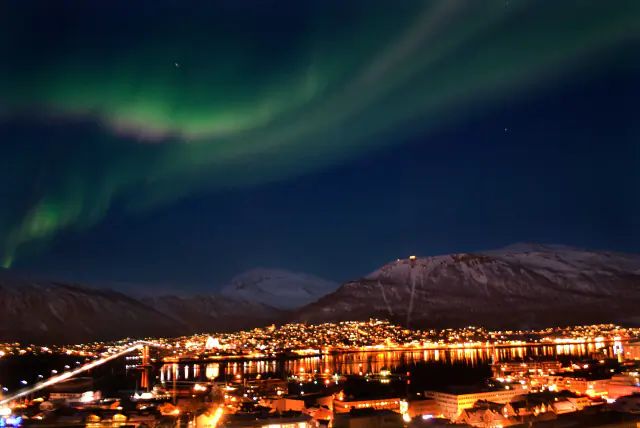
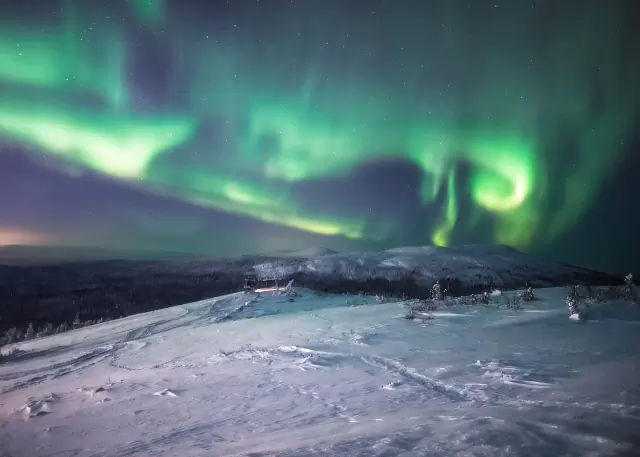
The Lyngen Alps offer some of Norway's most dramatic aurora backdrops - glaciers, fjords, and crystalline Arctic skies combine east of Tromso for unforgettable northern lights photography.
Lyngen Alps: Norway's Premier Alpine Aurora Destination
The Lyngen Alps occupy a peninsula between the Lyngenfjord and the Ullsfjord, about 60 km east of Tromso. At 69.6°N, this glaciated mountain range rises to 1833 meters at its highest point (Jiekkevarre), with numerous peaks carrying permanent glaciers that descend toward sea level. The combination of high-altitude ice, fjord water, and northern sky creates an aurora backdrop that professional photographers seek out above almost any other location in Scandinavia.
The Lyngen region sits in the rain shadow of the coastal mountains, meaning it receives significantly less precipitation and cloud cover than Tromso itself. This meteorological advantage makes Lyngen a prime destination for aurora tour operators when coastal clouds obscure the sky. Guides regularly drive their clients the 60-90 minutes from Tromso to Lyngen when the inland forecast is clear, giving the area a disproportionately high success rate for clear-sky aurora viewing.
With a KP index of just 2 needed for aurora activity, the displays here appear against one of the world's great mountain panoramas. The fjords provide still-water reflections of both the peaks and the lights above them. Check the aurora forecast alongside weather models - the inland clarity of Lyngen is one of the region's best-kept practical secrets.
Best Aurora Viewing Spots in the Lyngen Alps
Lyngseidet Village: The main settlement on the Lyngen peninsula provides a sheltered base with views across Lyngenfjord toward the Lyngen Alps. The village waterfront offers excellent aurora photography with mountain reflections in the fjord. Simple accommodation and a ferry connection to the western shore make this a practical base.
Furuflaten: A small community on the western shore of Lyngenfjord, about 1.5 hours from Tromso via a different route. The open fjord views here face the main Lyngen Alps massif, with glaciers visible even in darkness when illuminated by aurora or moonlight. Very low light pollution.
Kjosen and Signaldalen: The inner valleys of the Lyngen peninsula channel views upward toward the glaciated peaks. These valleys often have exceptionally stable, cold air conditions that produce the clearest skies in the region. Several organized aurora tour operators use these valleys as primary destinations.
Oteren: A small community where the Storfjord meets the Lyngen valley. The wide fjord mouth provides panoramic views and serves as an excellent aurora observation point accessible from the main E6 highway, making it convenient for self-driving visitors.
Jægervatnet Lake: A mountain lake at higher elevation offering above-treeline aurora viewing with the Lyngen glacier peaks as backdrop. Accessible by road in summer but typically requires snowmobile or skiing in winter - worth it for the compositions available.
When to Visit Lyngen for Aurora
The Lyngen Alps offer aurora viewing from September through March, with conditions that differ meaningfully across the season:
September-October: The glaciers and peaks are still partially clear of winter snow, showing their rock faces. Autumn brings stable high-pressure systems from the east that produce excellent viewing conditions. The first snows dust the highest peaks by October, beginning the transformation to the classic winter look. Temperatures are relatively mild at 0°C to -8°C at valley level.
November-January: The polar night brings maximum darkness and winter fully grips the mountains. Glaciers are laden with snow, the fjords begin to freeze at their quieter margins, and aurora can appear at almost any hour. Cold continental air masses frequently push away cloud cover, delivering the clear conditions that make Lyngen so valuable to tour operators. Temperatures drop to -10°C to -20°C in the valleys.
February-March: Many consider this the peak for Lyngen aurora photography. The returning daylight illuminates the glacier peaks in spectacular alpenglow during the brief midday, while nights are still long enough for excellent aurora viewing. The spring equinox effect can enhance geomagnetic activity, and the combination of snow, light, and aurora is extraordinary. Ski touring on the Lyngen Alps begins to attract adventure travelers in this period.
Getting to the Lyngen Alps
Getting There: The Lyngen Alps are approximately 60 km east of Tromso Airport (TOS). Drive via the E8 and E6 highways, taking approximately 1-1.5 hours depending on your specific destination. A car ferry connects Lyngseidet to Olderdalen and Breivikeidet across the fjord, providing access from different angles. In winter, studded tires are mandatory and conditions can be challenging on mountain roads.
Guided Tours from Tromso: Many Tromso-based aurora tour operators drive to Lyngen when coastal skies are cloudy. This is often the best way to access the region in winter, as guides know the local roads and viewpoints. Look for operators who explicitly mention Lyngen or the Lyngen Alps as destinations.
Self-Driving: If you're comfortable with winter mountain driving, a rental car from Tromso gives you flexibility. Stock up with supplies in Tromso as services in Lyngen are minimal. Carry emergency cold-weather equipment and inform someone of your plans before heading into the mountains.
Accommodation: Lyngen Lodge is the premium option - a luxury wilderness lodge on the fjord shore offering guided aurora and ski touring experiences. More basic options include Lyngseidet guesthouses and Airbnb rentals. Many aurora seekers base themselves in Tromso and day-trip or evening-trip to Lyngen.
Photography: The Lyngen Alps offer the combination every aurora photographer seeks - dark water foreground, dramatic mountain backdrop, and reliable clear skies. Wide-angle lenses (14-24mm) are essential for capturing both sky and landscape. See our aurora photography guide for technical settings in cold conditions.
Plan the trip
Getting to Lyngen
Aurora trips need three things booked together: a flight into the right airport, somewhere dark to stay, and usually a car, because the sky you get is the sky above wherever you can drive to that night.
Compare flightsLive fares into Tromso Airport (TOS), the closest airport to Lyngen.
Affiliate links. Booking through them costs you nothing extra and helps keep this site running.
Borealis App
Aurora forecasts, social feed & Hunter Ranks
Frequently Asked Questions
The Lyngen Alps are approximately 60 km east of Tromso, taking 1-1.5 hours by car depending on your specific destination within the region. Many Tromso aurora tour operators drive to Lyngen when coastal skies are cloudy, as the area sits in a rain shadow that often delivers clearer conditions.
The Lyngen Alps sit in a meteorological rain shadow, receiving significantly less cloud cover than coastal Tromso. When maritime clouds obscure the city, the inland Lyngen valleys often have clear skies. Experienced guides use this geographic advantage to dramatically improve aurora sighting rates for their clients.
At 69.6°N, the Lyngen Alps need only a KP index of 2 for aurora activity. The combination of this northern latitude, minimal light pollution, and frequently clear skies makes Lyngen one of Norway's most effective aurora viewing areas per clear night.
Yes, the Lyngen Alps are famous for ski touring (particularly heli-ski and backcountry routes) from February through May. The overlap with aurora season in February and March creates an extraordinary combination - ski the glaciers by day under the returning sun and photograph aurora by night.
Lyngen Lodge is the premium option with guided aurora and ski experiences. For budget options, guesthouses in Lyngseidet are closest. Many visitors stay in Tromso and drive to Lyngen on clear evenings. The flexibility of Tromso accommodation combined with evening drives to Lyngen often produces the best results.
Related Articles
Destination
Northern Lights in Tromso
Known as the Gateway to the Arctic, Tromso is the world's most popular destination for northern lights tourism. Situated...
Destination
Northern Lights in Narvik
Narvik is a dramatic fjord town flanked by steep mountains and rich World War II history. Its sheltered position within ...
Destination
Northern Lights in Senja
Senja is Norway's second-largest island and one of its best-kept aurora secrets. With dramatic coastal scenery rivaling ...